


 English
 русский
 Español
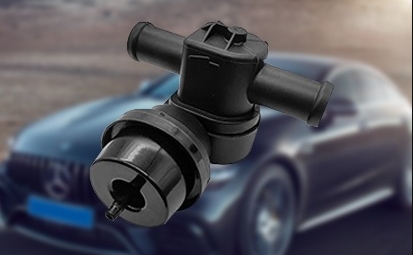
Cabin heating complaints often lead technicians directly to the valve assembly, yet many modern thermal management systems depend on sensor feedback just as much as coolant flow hardware. An inaccurate signal from a temperature sensor can easily create symptoms that resemble a failed Electric Heater Control Valve. Automotive workshops frequently replace parts unnecessarily because sensor diagnostics are skipped during the first inspection stage.
Modern vehicles rely on electronic HVAC communication between the ECU, climate control module, coolant temperature sensors, and the Auto Heater Control Valve. A single incorrect voltage reading may interrupt valve movement, reduce coolant circulation, or create unstable cabin temperatures even though the valve itself remains mechanically functional.
Symptoms That Often Cause Misdiagnosis
Several heating system problems can look identical from the driver’s perspective:
- Cabin air stays cold during idle
- Heat output changes randomly
- The passenger side temperature differs from driver side
- Delayed warm air during winter startup
- HVAC temperature fluctuates every few minutes
- Coolant hoses remain hot but cabin airflow stays cool
- Intermittent heater performance after engine reaches operating temperature
These symptoms are commonly blamed on:
- Stuck heater control valves
- Restricted heater cores
- Blend door failures
- Low coolant levels
Sensor-related faults can produce the same behavior.
Technicians relying only on surface symptoms may incorrectly replace the valve assembly without testing sensor data streams first.
Sensor Failure Can Interrupt Valve Operation
Electronic coolant valves normally receive PWM or voltage-controlled signals from the HVAC module. The module calculates coolant flow demand based on sensor feedback.
Typical sensor inputs include:
- Engine coolant temperature sensor
- Cabin air temperature sensor
- Ambient temperature sensor
- Heater core temperature sensor
- Solar load sensor
A defective sensor may transmit inaccurate resistance or voltage values. The control module then commands the valve into the wrong position.
Example:
- Actual coolant temperature: 92°C
- Faulty sensor reported temperature: 55°C
The HVAC controller may partially close the valve because it assumes the system has not fully warmed up. Cabin heating performance drops dramatically even though the valve motor still works correctly.
Our company recommends live-data analysis before replacing any coolant control component.
Electrical Problems Commonly Mistaken as Valve Failure
Electrical instability creates another major source of diagnostic confusion.
Common electrical issues include:
- Corroded connectors
- Weak grounding points
- Broken harness insulation
- Intermittent CAN communication
- Low actuator voltage supply
- Moisture intrusion near terminals
Several electronically controlled heater valves operate within:
- Working voltage: 12V DC
- Operating current: 0.3A–1.2A
- Signal frequency: 100Hz–300Hz PWM
- Response time: below 1 second
Voltage drops below specification may prevent full valve travel. Technicians often assume the internal mechanism is seized even though the actual problem comes from unstable electrical input.
According to HVAC valve product specifications from aftermarket suppliers, many electronically actuated valves use corrosion-resistant stainless components and high-temperature engineering plastics designed for extended coolant exposure.
Temperature Sensors Can Create Delayed Heating
Delayed cabin heating is frequently blamed on a restricted heater core or a sticking valve. Sensor calibration drift creates similar results.
A degraded coolant temperature sensor may react slowly during cold startup. The ECU then delays heater valve activation because it interprets engine temperature incorrectly.
Observed effects may include:
- Warm air only appearing after extended driving
- Cabin temperature improving during acceleration
- Heat disappearing during idle
- Sudden bursts of hot air
Many workshops immediately replace the heater valve under these conditions. Sensor response testing often reveals the real issue within minutes.
Heater Valve Problems Still Exist
Not every symptom points toward electronics. Genuine valve failures remain common in aging cooling systems.
Typical valve failure modes:
- Internal coolant leakage
- Motor burnout
- Plastic housing cracks
- Scale buildup
- Solenoid sticking
- Diaphragm rupture
- Internal blockage
Several aftermarket HVAC heater valves use:
- PA66 reinforced nylon housings
- EPDM sealing materials
- Stainless steel internal springs
- Dual-port or triple-port coolant routing
Electric designs commonly feature:
- 2-pin or 3-pin connectors
- Operating temperature range up to 125°C
- Coolant pressure resistance above 2 bar
Product documentation from automotive aftermarket manufacturers notes that these valves are designed to restore coolant flow control and cabin temperature regulation in OEM HVAC systems.
Our company advises checking coolant contamination levels because rust particles and degraded antifreeze additives often shorten valve lifespan dramatically.
Diagnostic Procedures That Reduce Wrong Repairs
Proper testing procedures help separate sensor faults from valve failures.
Recommended inspection sequence:
1. Scan Live Data
Compare:
- Engine coolant temperature
- Cabin temperature readings
- Commanded valve position
- Actual valve response
Large discrepancies usually indicate sensor or communication issues.
2. Measure Valve Voltage
Use a multimeter during HVAC operation.
Normal readings should remain stable during:
- Idle
- Acceleration
- Temperature adjustment
Voltage fluctuation may indicate wiring faults instead of mechanical failure.
3. Check Coolant Flow
Measure heater hose temperatures using an infrared thermometer.
- Large temperature differences may suggest blockage
- Equal hose temperatures with poor cabin heat may indicate blend door or sensor problems
4. Perform Actuator Activation Test
Many diagnostic scanners allow direct valve control.
A properly functioning valve should:
- Open smoothly
- Produce audible movement
- Respond rapidly to command changes
5. Inspect Connector Integrity
Terminal oxidation can reduce communication quality and create intermittent valve operation.
EV and Hybrid Systems Increase Diagnostic Complexity
Electrified vehicles now use multiple coolant control circuits.
Advanced thermal management systems may contain:
- Battery cooling valves
- Cabin heating valves
- Power electronics cooling loops
- Heat pump integration
Modern electronically controlled valves support precise coolant routing across multiple systems. Some designs undergo 100% performance testing and 3D fit verification during production.
Sensor calibration becomes even more critical in these architectures. A faulty thermal sensor may affect:
- Cabin comfort
- Battery temperature regulation
- Charging efficiency
- Powertrain cooling stability
Our company continues improving valve durability and electronic compatibility to meet growing EV thermal management requirements.
Accurate Diagnosis Prevents Unnecessary Replacement
Heater performance issues do not automatically confirm valve failure. Sensor drift, wiring instability, and communication faults can imitate nearly every symptom associated with a defective heater control valve.
A complete diagnostic routine should always include:
- Sensor verification
- Voltage analysis
- Live data comparison
- Actuator testing
- Coolant flow inspection
Careful troubleshooting reduces unnecessary parts replacement and improves long-term HVAC reliability. Modern thermal systems rely heavily on electronic coordination, making sensor accuracy just as important as the valve assembly itself.

 View More >>
 View More >>
 View More >>
 View More >>
 View More >>
 View More >>
 No. 58, Aimin Road, Tangxia Town, Ruian City, Wenzhou City, Zhejiang, China
 +86-577-66082028
 +86-18966257799
