


 English
 русский
 Español
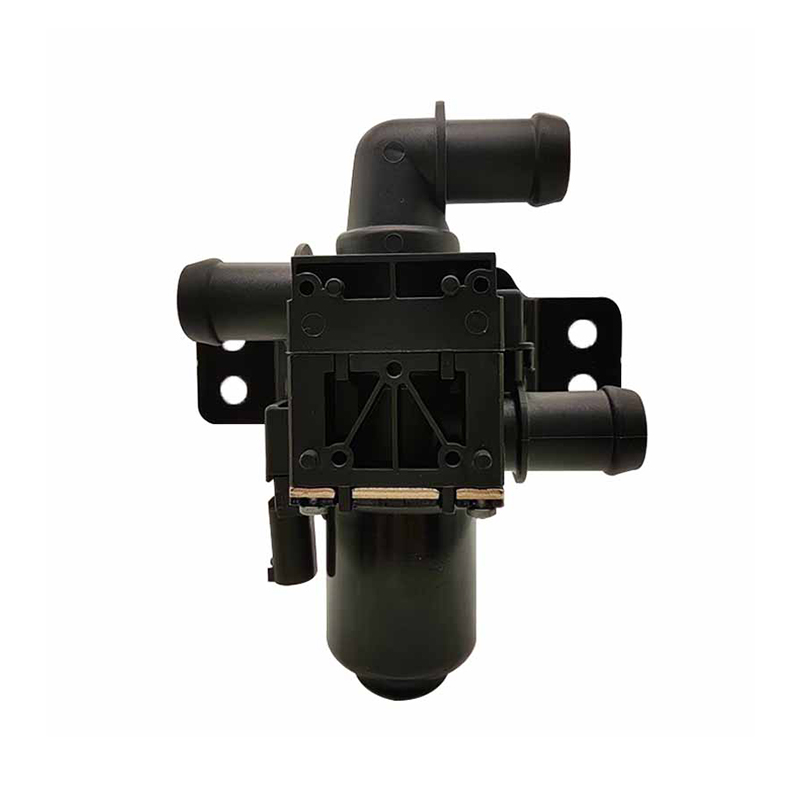
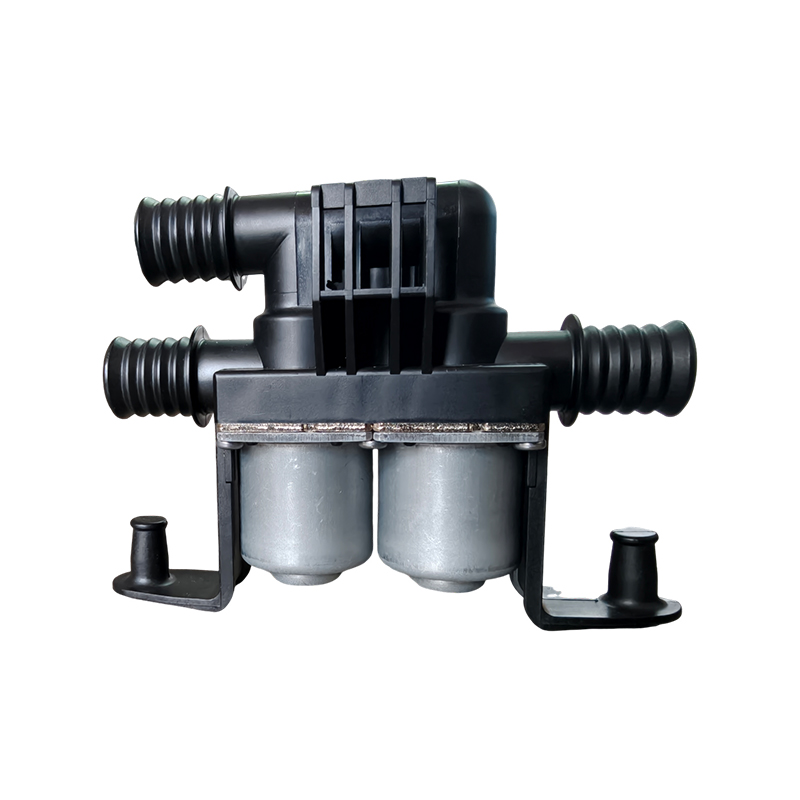
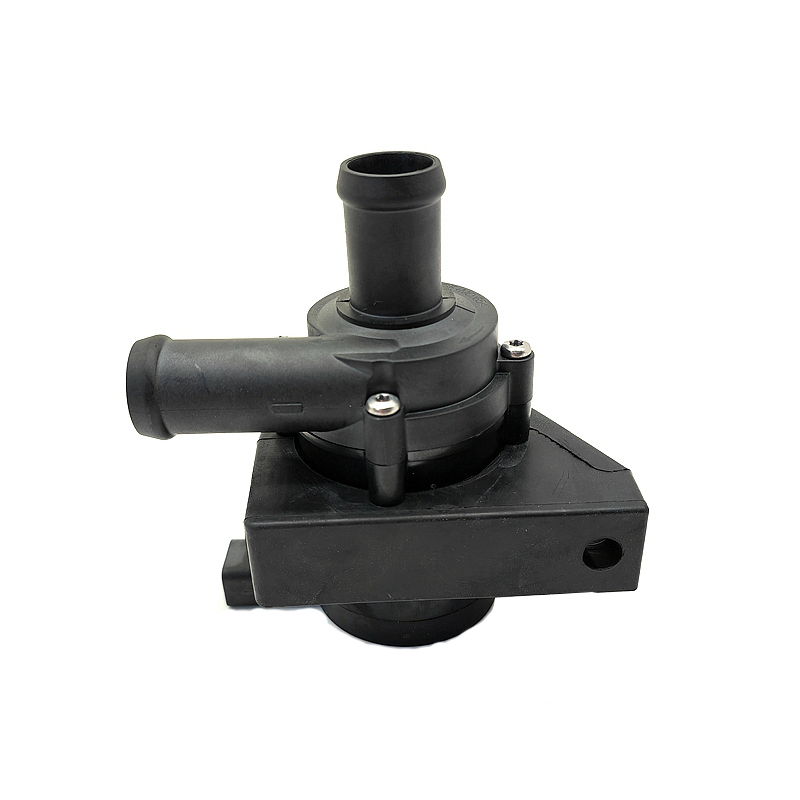
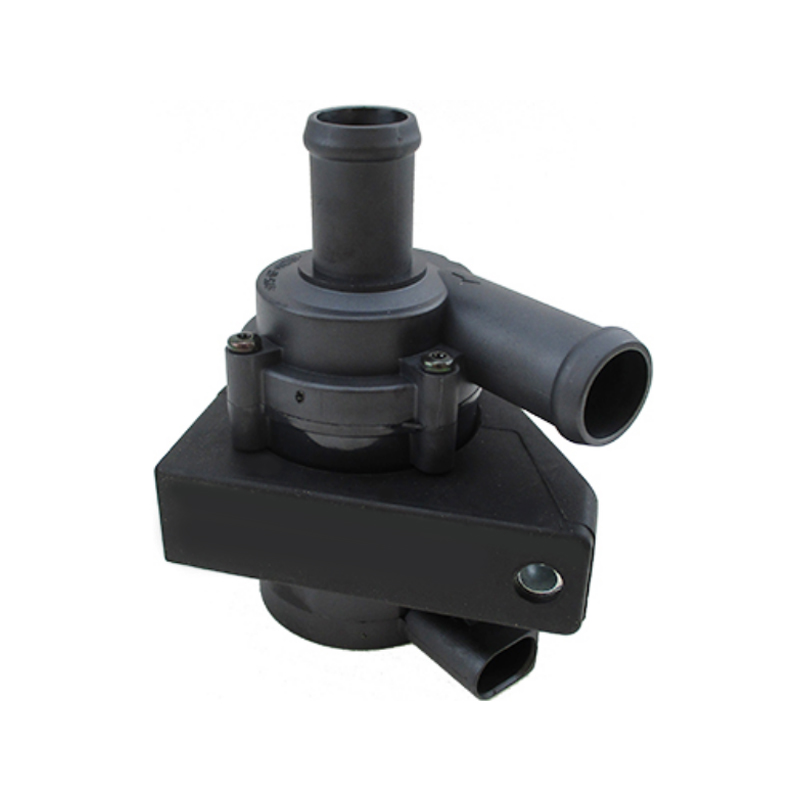
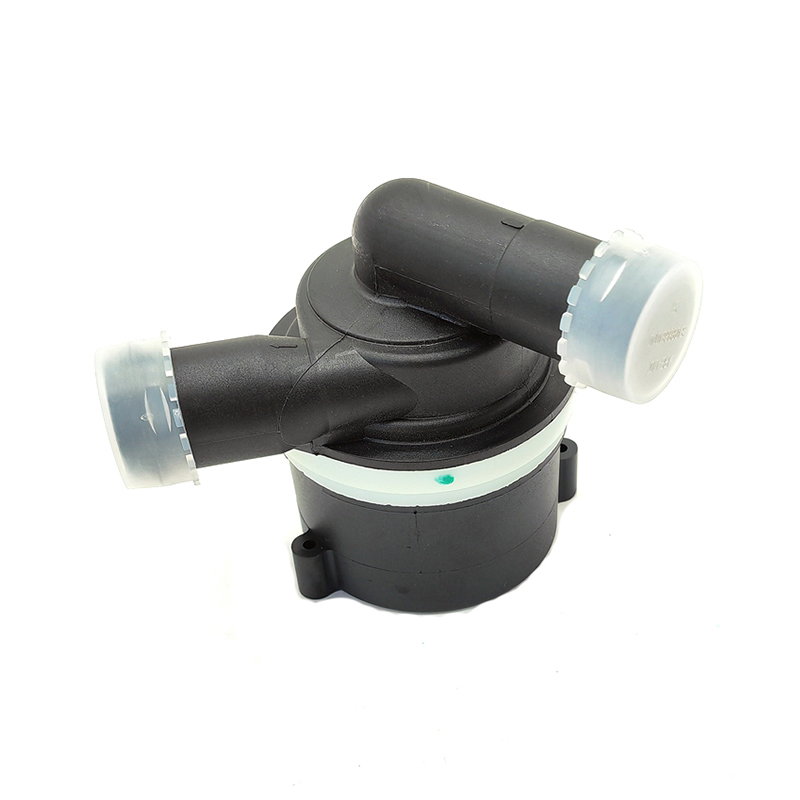
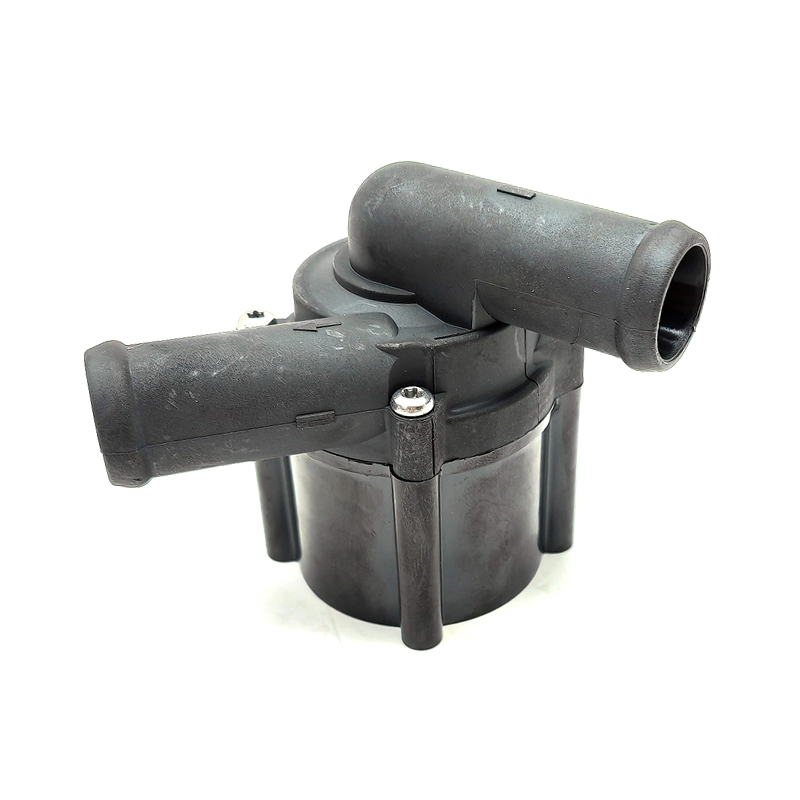
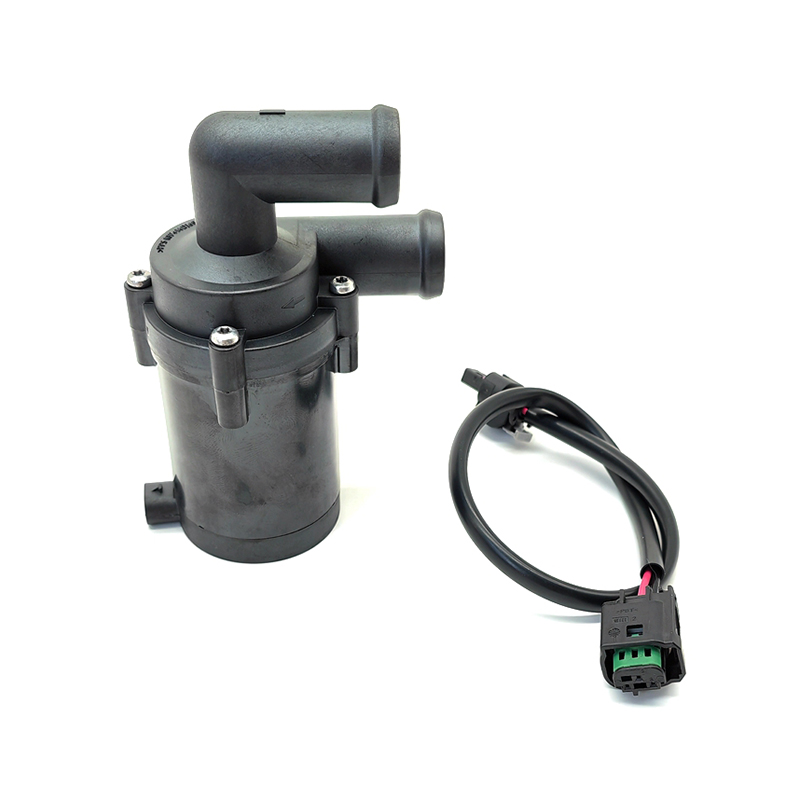
As automotive technology continues evolving, vehicle manufacturers are paying more attention to thermal management systems that improve passenger comfort, energy efficiency, and component reliability. Modern vehicles, including traditional fuel-powered cars, hybrid models, and electric vehicles, require more precise temperature control solutions to maintain stable operating conditions. For automotive brands, engineering companies, and component distributors, selecting the right control components is an important step in improving vehicle system performance. A reliable Automobile Heating Control Valve helps regulate coolant flow within vehicle heating systems, supporting better temperature management and providing a more comfortable driving experience.
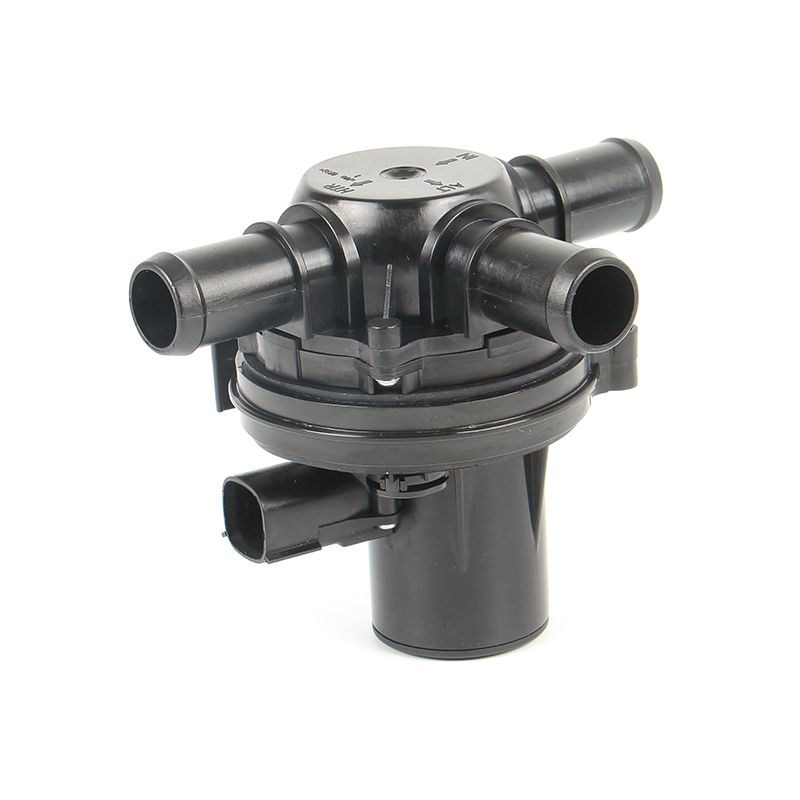
Growing Importance of Automotive Thermal Management Systems
Thermal management has become a key focus in modern vehicle development.
Automotive systems need effective heat control for:
- Passenger cabin heating
- Engine temperature management
- Battery and electronic component protection
- Energy efficiency improvement
- Stable vehicle operation
As vehicle structures become more advanced, heating and cooling systems require components that can respond accurately to changing conditions.
For automotive suppliers and engineers, choosing durable and precisely manufactured valves helps ensure that heating systems operate smoothly in different driving environments.
Why Heating Control Valve Performance Matters
A heating control valve plays an important role in managing coolant circulation between different vehicle systems.
A well-designed valve should provide:
- Accurate flow regulation
- Stable operation under temperature changes
- Reliable sealing performance
- Long service life
- Compatibility with different vehicle designs
Poor valve performance may lead to problems such as unstable heating output, inefficient thermal control, or increased maintenance requirements.
Professional manufacturers focus on product structure, material selection, and production accuracy to create components that meet automotive application needs.
Solving Common Challenges in Vehicle Heating Systems
Automotive companies often face several challenges when developing and maintaining heating systems, including:
- Inconsistent temperature control
- Limited component durability
- Complex installation requirements
- Different vehicle platform demands
A suitable automotive heating control solution can help manufacturers improve system reliability while supporting better vehicle performance.
Through optimized design and engineering cooperation, suppliers can provide components that match specific vehicle requirements and production standards.
Material Selection and Manufacturing Quality
Automotive components must perform reliably under changing temperatures, vibration, and long-term operating conditions.
When producing heating control valves, manufacturers consider:
- Material strength
- Corrosion resistance
- Manufacturing precision
- Component compatibility
- Quality inspection processes
Every production stage influences the final performance of the component.
Experienced automotive suppliers understand that even small control components can have a significant impact on overall vehicle system operation, which is why strict manufacturing management is essential.
Supporting OEM and Customized Automotive Projects
Different vehicle manufacturers may require different valve designs depending on their heating system structures.
Professional suppliers can support customized requirements such as:
- Product structure adjustments
- Connection design modifications
- OEM development projects
- Batch production support
- Application-specific solutions
This flexibility allows automotive brands and distributors to develop products that better fit their market needs.
Close cooperation between manufacturers and engineering teams also helps improve development efficiency and product compatibility.
Meeting Future Vehicle Development Trends
The automotive industry is moving toward smarter and more efficient thermal management technologies.
Future vehicle systems will continue requiring components that provide:
- Better energy management
- More accurate control
- Improved system integration
- Reliable operation
Manufacturers that focus on engineering improvement and production capability can provide stronger support for global automotive customers.
Reliable thermal control components will continue playing an important role as vehicle technologies advance.
Choosing the Right Automotive Component Partner
For automotive manufacturers, distributors, and engineering companies, selecting an experienced supplier is essential for developing reliable vehicle systems. A professional Automobile Heating Control Valve manufacturer can provide high-quality components, technical support, and customized solutions designed for different automotive applications. By combining manufacturing expertise with a strong understanding of vehicle thermal management requirements, suppliers help customers improve product reliability and market competitiveness. Working with a trusted Automobile Heating Control Valve partner allows global automotive businesses to build more efficient heating systems and support the continuous development of modern vehicles.
 View More >>
 View More >>
 View More >>
 View More >>
 View More >>
 View More >>
 No. 58, Aimin Road, Tangxia Town, Ruian City, Wenzhou City, Zhejiang, China
 +86-577-66082028
 +86-18966257799
