


 English
 русский
 Español
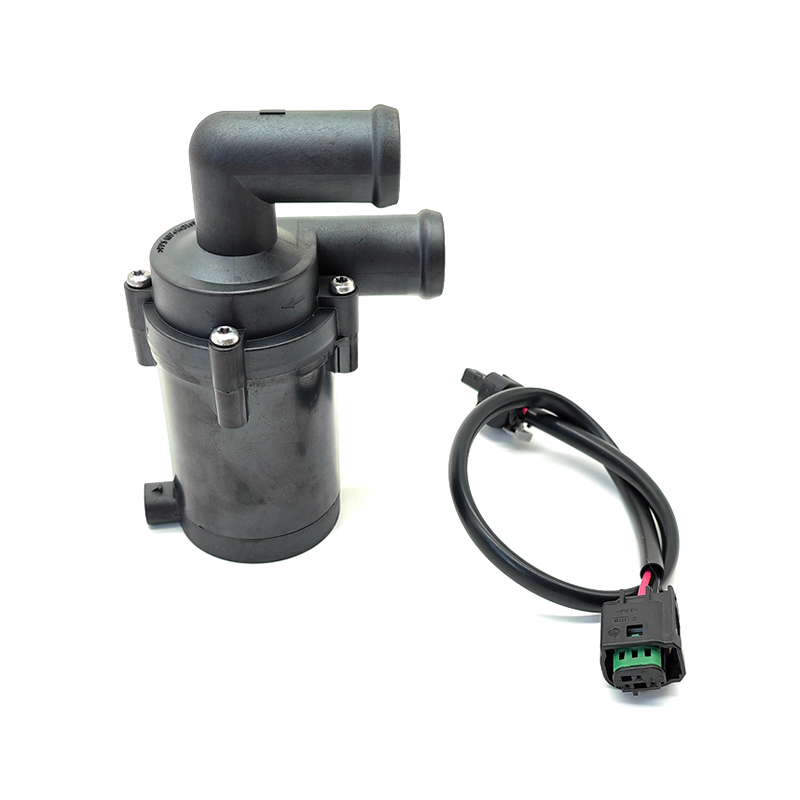
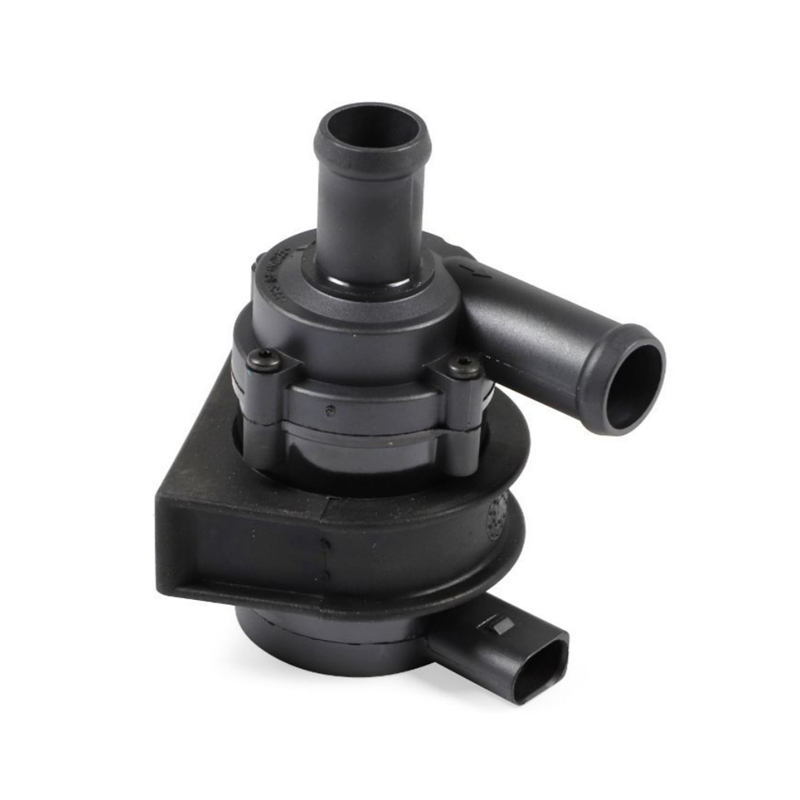
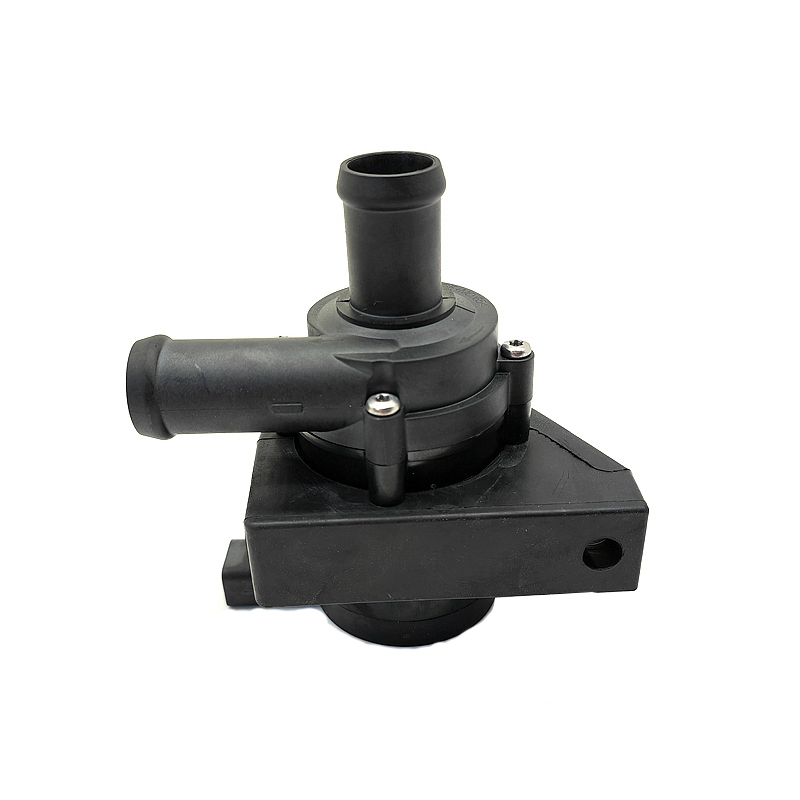
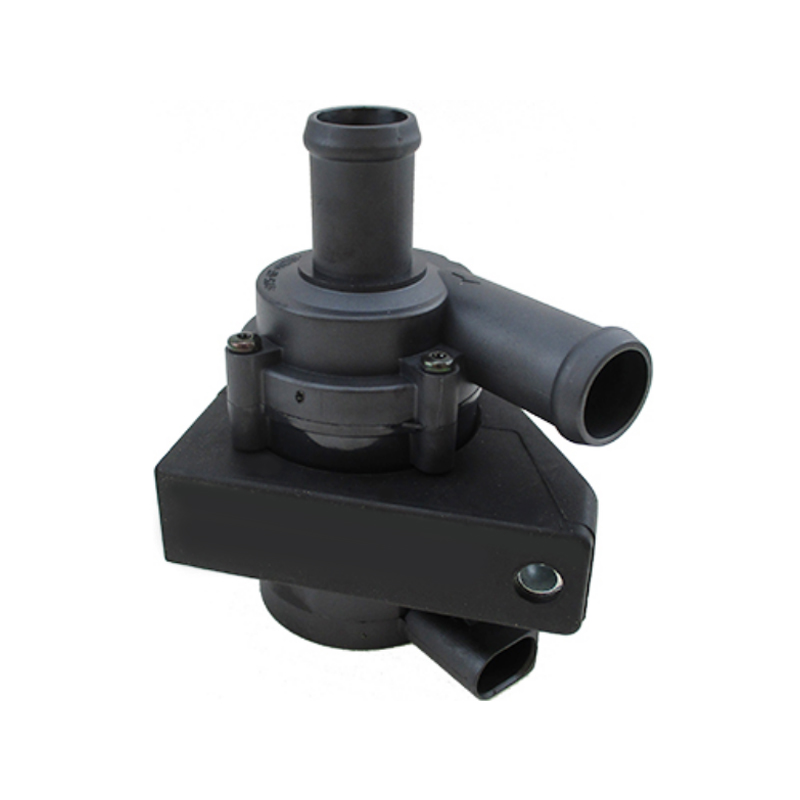
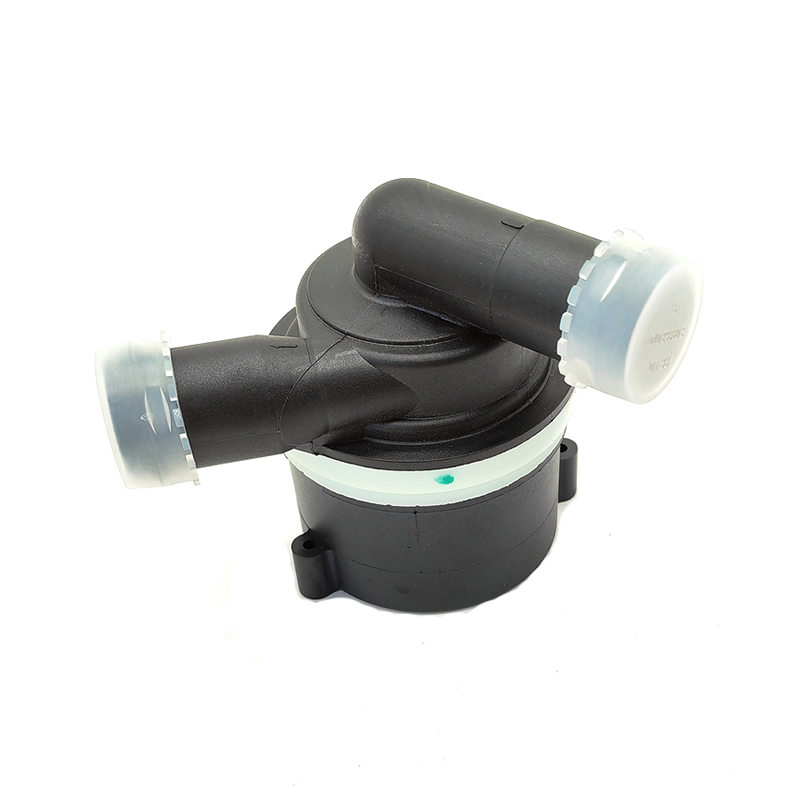
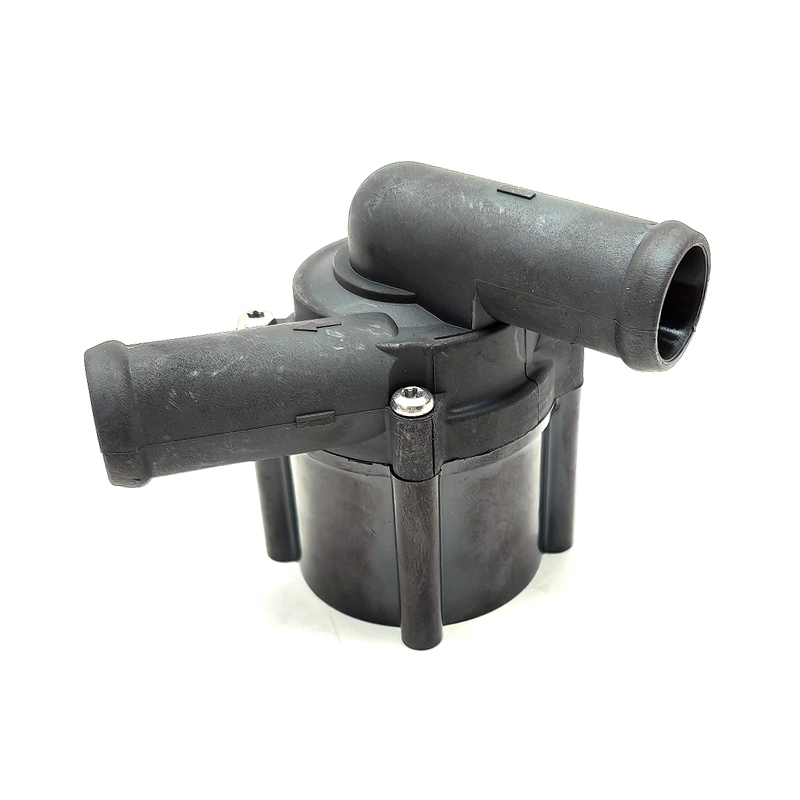
As automotive cooling systems become more diverse, selecting replacement components is becoming a more detailed task for aftermarket distributors and automotive parts buyers. A pump that looks identical to the original unit may still have different electrical connections, mounting dimensions, or coolant flow characteristics. These differences can create installation difficulties and affect cooling system operation. For businesses sourcing an Auxiliary Water Pump, product compatibility is therefore just as important as price and availability. As the automotive aftermarket expands its coverage of conventional, hybrid, and electric vehicles, manufacturers must pay closer attention to application-specific requirements and replacement accuracy.

Why Is Vehicle Compatibility a Growing Concern for Parts Distributors?
One of the challenges facing automotive parts wholesalers is the increasing number of vehicle configurations within the same model range. Different engine versions, production years, and cooling system designs may require different auxiliary pump assemblies.
This creates inventory management challenges for distributors. Purchasing a large quantity of visually similar pumps without checking their application details can result in incorrect orders, returns, and additional warehouse costs.
The expansion of auxiliary water pump replacement programs in the 2026 aftermarket also reflects growing demand for broader vehicle coverage. For suppliers, accurate product catalogs and clear application information are becoming important tools for supporting international distribution.
Why Should Buyers Never Rely on Appearance Alone?
An auxiliary coolant pump may have a similar housing shape to another model, but internal and external specifications can differ significantly.
Before confirming a replacement part, buyers should verify several technical details:
- OE reference number: Check the original equipment number and any confirmed replacement references.
- Electrical connector: Compare connector shape, pin arrangement, and electrical requirements.
- Mounting dimensions: Confirm bracket positions, installation direction, and available space.
- Coolant connections: Check inlet and outlet dimensions and hose connection arrangements.
- Hydraulic performance: Verify that the flow and pressure characteristics match the intended application.
These checks help reduce compatibility problems and make aftermarket sourcing more reliable.
How Do Different Vehicle Technologies Affect Pump Selection?
Traditional gasoline and diesel vehicles may use auxiliary pumps to support turbocharger cooling, cabin heating, or additional coolant circulation. Hybrid vehicles introduce more complex thermal management requirements because the engine and electrical components may need separate cooling arrangements.
Electric vehicles add further considerations. Battery packs, inverters, and electric drive systems operate within specific temperature ranges, requiring appropriately configured coolant circulation systems.
Consequently, an electric auxiliary water pump should not be selected simply because its voltage and physical dimensions appear similar. Its control method, hydraulic characteristics, and intended cooling circuit must also be considered.
For automotive parts manufacturers, understanding these application differences is essential when developing replacement products for different vehicle platforms.
Can Incorrect Pump Specifications Lead to Repeat Repairs?
Yes. A replacement pump that does not match the original system requirements may fail to deliver the expected coolant circulation or communicate correctly with the vehicle's electrical system.
For example, an incompatible connector can prevent proper electrical installation, while unsuitable flow characteristics may affect the performance of the cooling circuit.
Repeated replacement also increases labor costs for repair workshops and creates additional pressure on parts distributors handling warranty claims.
This is why professional buyers should request clear technical specifications and verify compatibility before purchasing. Repair technicians should also inspect the cooling circuit, electrical supply, and coolant condition when diagnosing pump-related problems.
What Manufacturing Details Influence Replacement Pump Quality?
For automotive component manufacturers, replacement accuracy starts during product development. Housing dimensions, sealing structures, motor characteristics, connector positioning, and material selection all influence the suitability of the finished product.
Quality evaluation should consider several aspects:
- Dimensional inspection to verify housing and mounting specifications.
- Electrical testing to check motor operation and relevant electrical parameters.
- Leakage inspection to evaluate sealing performance.
- Functional testing to assess coolant circulation under specified conditions.
- Material evaluation according to the intended operating environment.
These processes help manufacturers identify potential inconsistencies before products enter the distribution market.
What Should Overseas Buyers Expect from an Auxiliary Water Pump Supplier?
International distributors need more than a product quotation. They also need accurate application references, consistent product specifications, clear packaging information, and effective communication during the purchasing process.
At Wenzhou Xinhao Auto Parts Co., Ltd., we focus on automotive parts manufacturing and recognize the importance of compatibility in auxiliary water pump sourcing. Understanding the customer's target vehicle applications is an important starting point for discussing suitable products.
When requesting a quotation, buyers can provide OE numbers, vehicle models, production years, engine information, and reference photographs. These details help establish clearer product requirements and reduce the possibility of selecting an unsuitable replacement.
How Can Better Sourcing Decisions Improve Aftermarket Performance?
The automotive aftermarket is moving toward more application-specific replacement solutions as vehicle cooling systems continue to develop. Distributors that prioritize accurate fitment information and consistent product quality can improve inventory planning and provide more dependable service to repair businesses.
For international wholesalers, choosing an experienced Auxiliary Water Pump manufacturer is an important part of building a reliable product supply chain. Wenzhou Xinhao Auto Parts Co., Ltd. aims to support automotive parts buyers with products developed around practical vehicle application requirements, helping distributors address the changing needs of the global automotive replacement market.
 View More >>
 View More >>
 View More >>
 View More >>
 View More >>
 No. 58, Aimin Road, Tangxia Town, Ruian City, Wenzhou City, Zhejiang, China
 +86-577-66082028
 +86-18966257799

