


 English
 русский
 Español
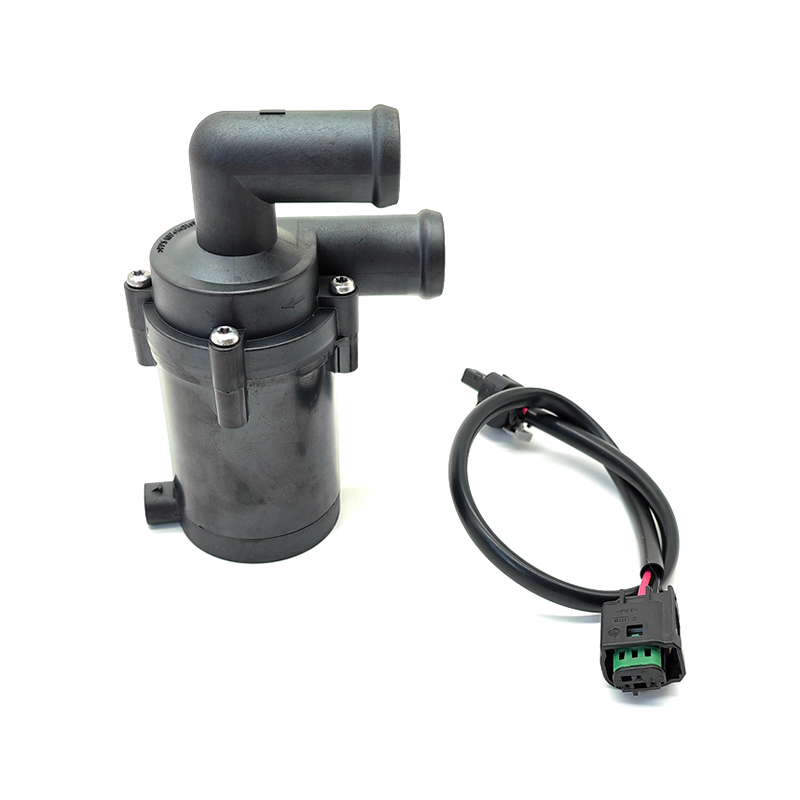
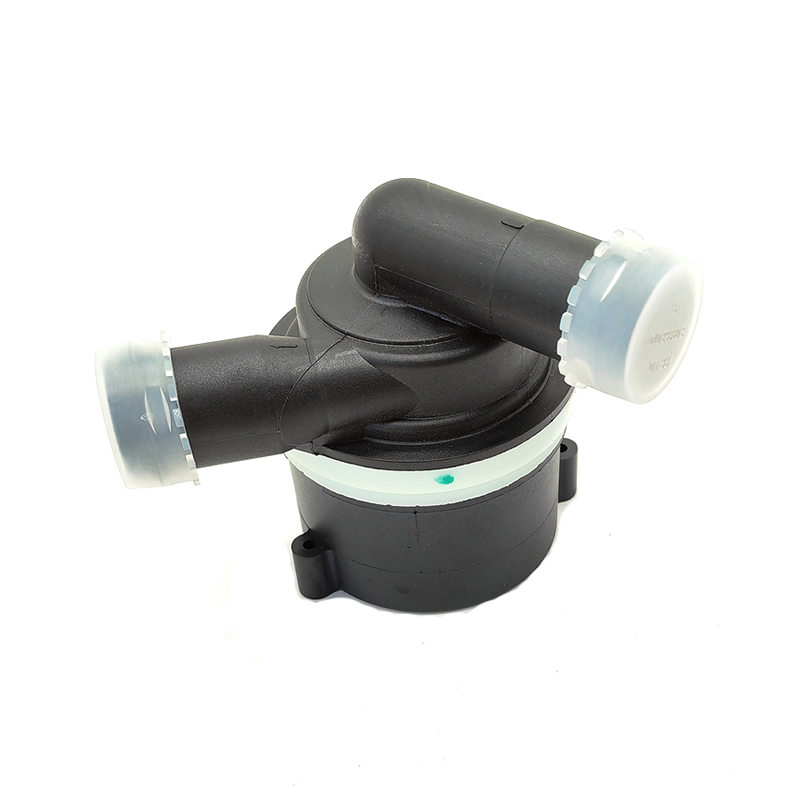
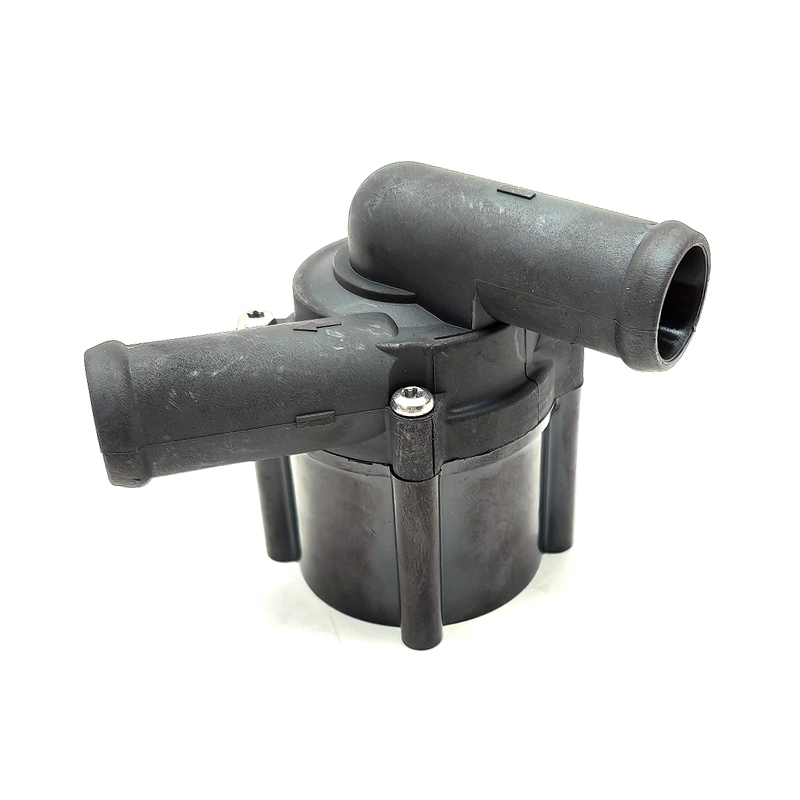
Modern vehicle cooling systems are becoming more complex as manufacturers introduce turbocharged engines, start-stop technology, hybrid powertrains, and electric vehicle thermal management systems. An auxiliary pump plays an important role in maintaining coolant circulation when the main engine-driven pump cannot meet the requirements of a specific cooling circuit. However, incorrect product selection, electrical faults, coolant contamination, and mechanical wear can affect pump performance. For automotive parts distributors and procurement professionals, understanding these issues is essential when sourcing a reliable Auxiliary Water Pump. As an automotive parts manufacturer, Wenzhou Xinhao Auto Parts Co., Ltd. recognizes the importance of product compatibility and dependable operation in modern vehicle cooling applications.
What Does an Auxiliary Water Pump Actually Do?
Unlike a conventional engine water pump, an auxiliary water pump provides additional coolant circulation for specific vehicle systems. Its operation is generally independent of engine speed, allowing coolant to circulate when additional thermal management is required.
Depending on vehicle design, auxiliary pumps may serve several functions:
- Supporting cabin heating when the engine operates at low speed or stops temporarily.
- Circulating coolant to help manage turbocharger temperatures.
- Maintaining coolant flow after engine shutdown in certain applications.
- Supporting battery, inverter, and electric motor cooling in hybrid and electric vehicles.
These different applications explain why auxiliary pumps are increasingly important in modern automotive thermal management systems.
What Are the Common Causes of Auxiliary Water Pump Failure?
Pump failure does not always result from a single mechanical problem. Electrical and hydraulic conditions can also influence operating performance.
Common issues include motor wear, damaged internal components, coolant leakage, and electrical connection problems. Contamination inside the cooling circuit may restrict the impeller or affect internal sealing components. Excessive operating temperatures can also accelerate material deterioration.
For repair businesses and replacement-parts distributors, identifying the actual failure mechanism is important. Replacing a pump without checking the surrounding cooling circuit may leave the original problem unresolved.
How Can Electrical Problems Affect Pump Performance?
Many modern auxiliary water pumps use electric motors and may operate under commands from the vehicle's electronic control system. Some applications also use PWM control to regulate pump speed according to cooling demand.
This creates additional considerations during troubleshooting and product selection.
A pump that does not operate correctly may be affected by:
- Insufficient power supply or a damaged fuse.
- Loose connectors or damaged wiring.
- Incorrect control signals.
- Internal motor or electronic circuit failure.
Diagnostic equipment can help technicians check stored fault codes, power supply, control signals, and pump response. It is important to distinguish an electrical supply problem from an internal pump failure before replacing the component.
Why Is Coolant Compatibility Important for Long-Term Operation?
Coolant condition has a direct influence on the operating environment of an auxiliary water pump. Incorrect coolant mixtures, accumulated deposits, corrosion, and foreign particles may affect circulation and internal components.
For manufacturers, material selection and sealing design should consider the intended coolant and operating conditions. For vehicle maintenance professionals, using the coolant specified by the vehicle manufacturer and maintaining a clean cooling circuit can help reduce unnecessary pump wear.
When replacing a damaged unit, technicians should also inspect hoses, connectors, and the surrounding circuit to identify possible sources of contamination or leakage.
How Is Vehicle Electrification Changing Auxiliary Pump Applications?
The development of hybrid and electric vehicles is expanding the role of electric coolant pumps. Battery packs, inverters, onboard chargers, and electric motors all require appropriate temperature management under different operating conditions.
Unlike traditional engine cooling systems, electrified vehicles may contain multiple independent coolant circuits. This creates demand for pumps with suitable flow characteristics, compact installation structures, and compatibility with vehicle electrical systems.
For automotive component suppliers, this trend makes application-specific engineering increasingly important. Voltage requirements, connector configurations, hydraulic performance, and electronic control compatibility all need to be considered when developing products for different vehicle platforms.
What Should Buyers Check Before Sourcing an Auxiliary Water Pump?
For overseas distributors, repair-parts wholesalers, and automotive procurement teams, choosing the correct replacement product involves more than comparing external appearance.
Several technical details should be verified before placing an order:
- Vehicle compatibility: Confirm the applicable vehicle models, engine configurations, and reference part numbers.
- Electrical specifications: Check operating voltage, connector type, and control requirements.
- Hydraulic performance: Evaluate the required flow rate and pressure characteristics.
- Installation design: Compare mounting positions, housing dimensions, and hose connections.
- Product reliability: Review relevant performance testing, leakage inspection, and durability validation.
Providing accurate application information to the manufacturer can reduce incorrect part selection and improve purchasing efficiency.
How Does Manufacturing Quality Influence Auxiliary Water Pump Reliability?
Consistent manufacturing is essential for automotive cooling components because pumps must operate within demanding temperature, vibration, and coolant conditions.
At Wenzhou Xinhao Auto Parts Co., Ltd., we focus on automotive auxiliary water pump manufacturing and understand the importance of matching product specifications with actual vehicle applications. From component selection and structural design to product inspection, manufacturing considerations should address electrical performance, sealing integrity, and stable coolant circulation.
For international automotive parts distributors and OEM buyers, working with a manufacturer that understands application compatibility helps establish a more reliable sourcing process. As vehicle thermal management continues to evolve, selecting the right Auxiliary Water Pump is an important step toward maintaining effective coolant circulation and supporting dependable vehicle operation.

 View More >>
 View More >>
 View More >>
 View More >>
 View More >>
 No. 58, Aimin Road, Tangxia Town, Ruian City, Wenzhou City, Zhejiang, China
 +86-577-66082028
 +86-18966257799

