


 English
 русский
 Español
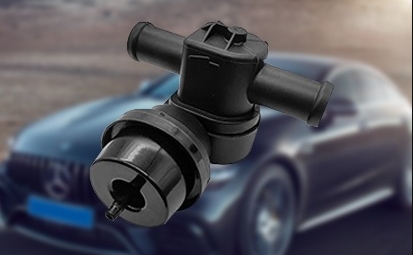
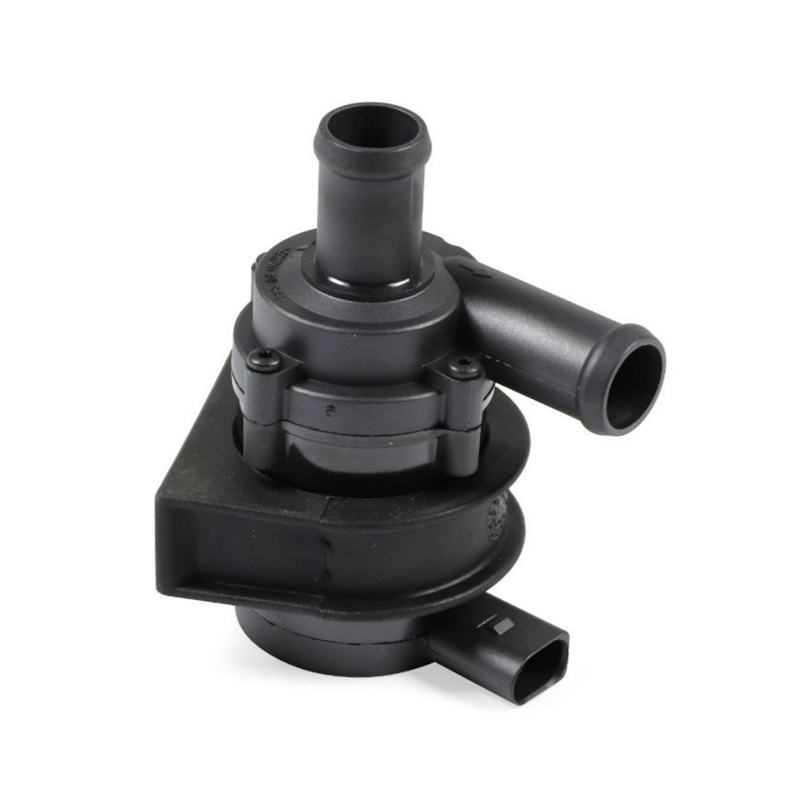
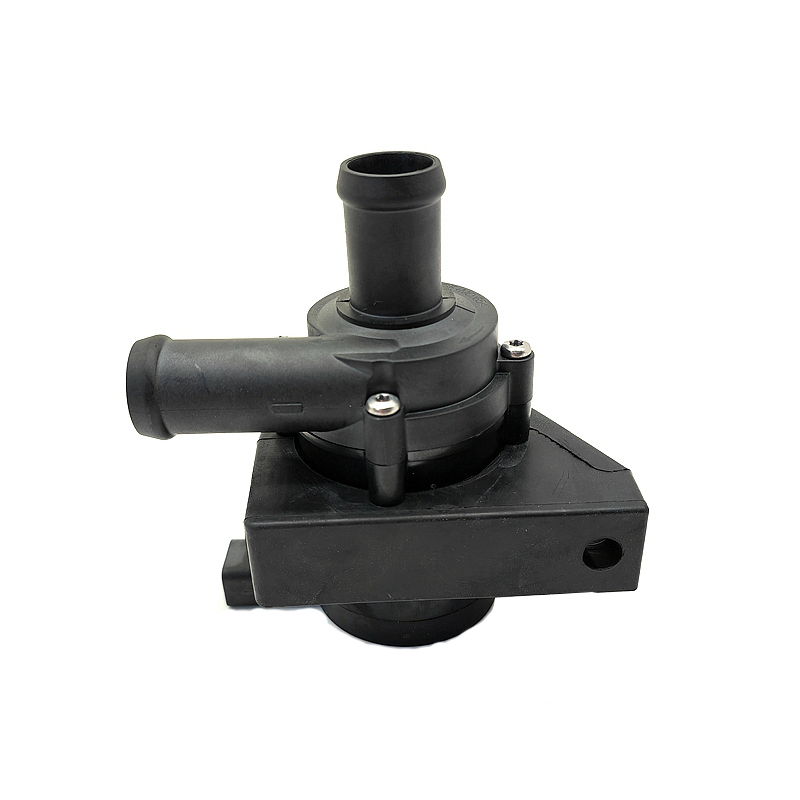
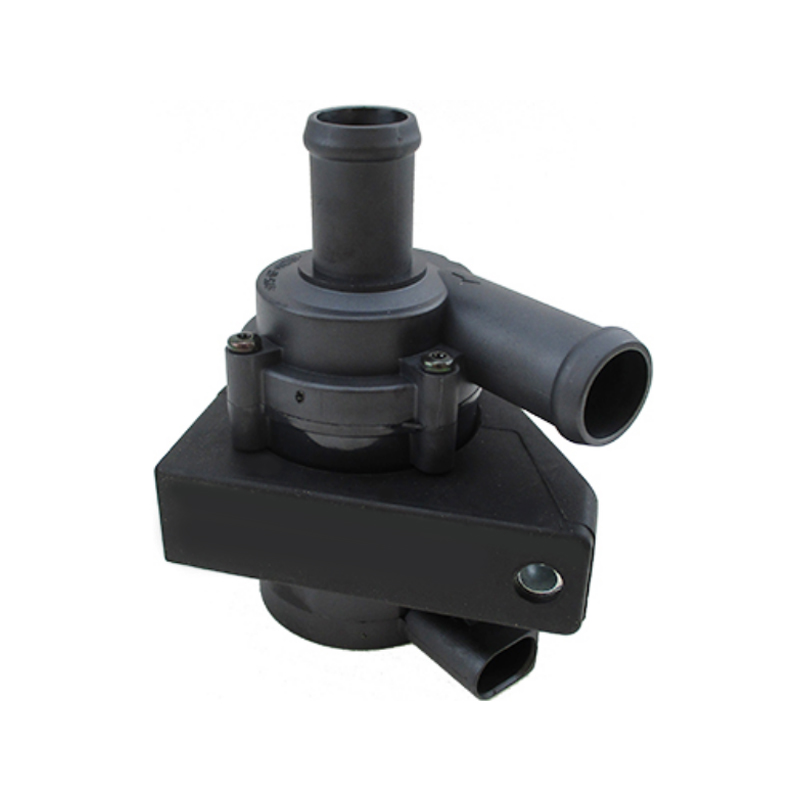
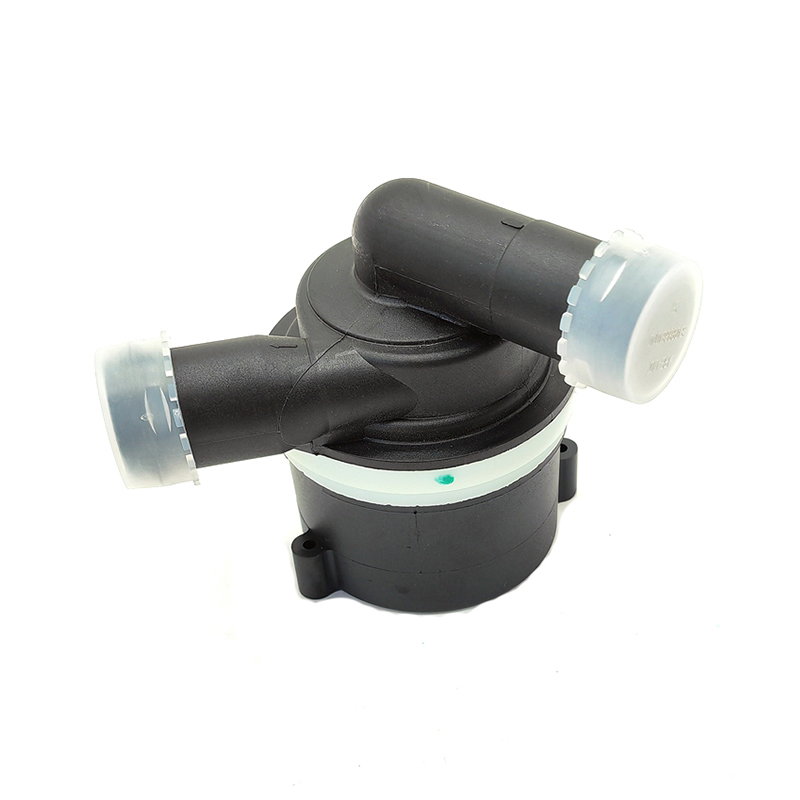
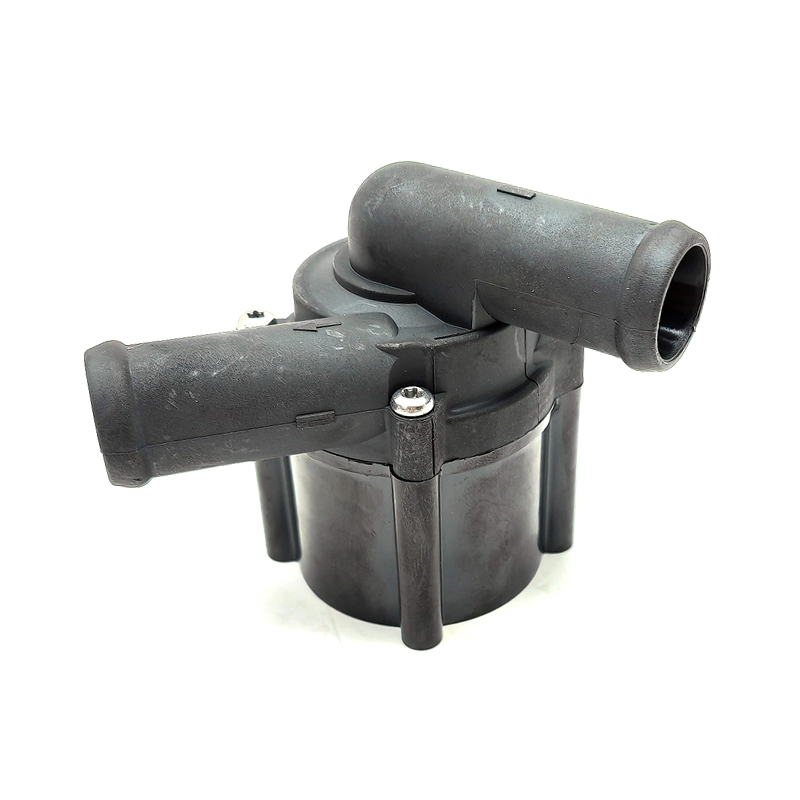
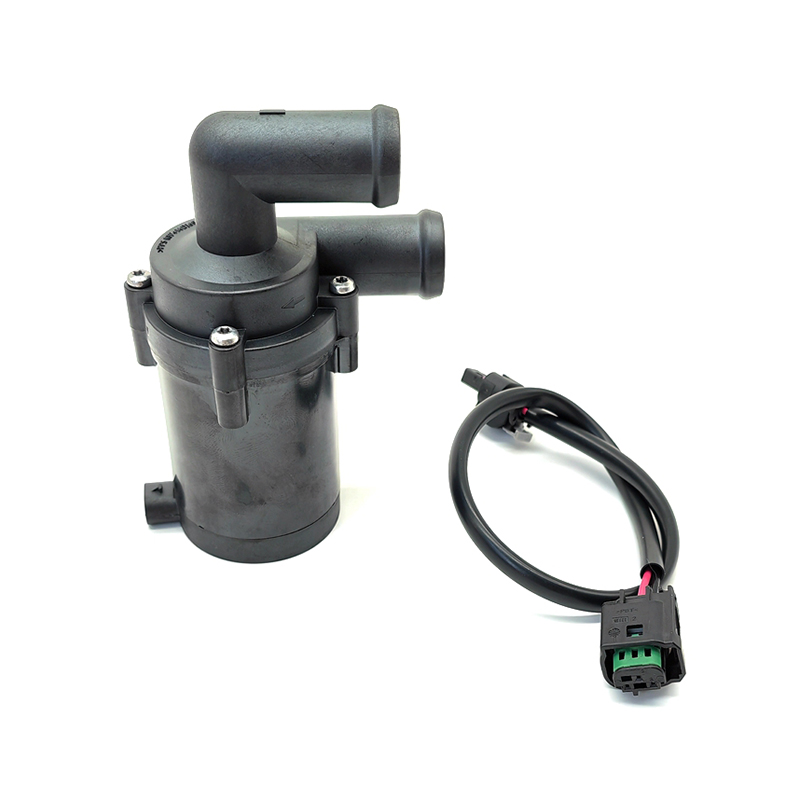
The Automotive Electronic Water Pump and Auxiliary Water Pump are vital components in modern vehicle cooling and heating systems. While many drivers are familiar with the main engine water pump, electric and auxiliary pumps provide additional coolant circulation to improve thermal management, heating performance, and system efficiency. In recent years, vehicle owners and technicians alike have increasingly raised questions about how these components behave, common failure symptoms, and what to look out for during diagnostics. This article provides an insightful breakdown of the symptoms, causes, and technical details that can help drivers better understand issues related to electric and auxiliary pumps' performance.
Understanding the Role of Electronic and Auxiliary Water Pumps
Modern internal combustion engines rely on precise coolant circulation to maintain optimal operating temperatures. Traditional mechanical water pumps drive coolant through the engine and radiator using a belt. In contrast:
- Automotive Electronic Water Pump units use electric motors controlled by the vehicle’s engine control unit (ECU). They offer variable flow rates and can operate independently of engine speed, providing more precise thermal regulation.
- Auxiliary Water Pump systems assist the main pump by driving coolant through secondary circuits, often associated with heater cores or low-speed circulation needs. These pumps are typically electric as well and are commonly used in vehicles with complex HVAC (heating, ventilation, and air conditioning) requirements.
Both systems incorporate electric motors, impellers, and sealing components that must withstand thermal and mechanical stresses over thousands of miles of operation.
Common Failure Symptoms Reported by Vehicle Owners
Owners and technicians frequently report specific symptoms that indicate potential issues with Automotive Electronic Water Pump and Auxiliary Water Pump units. Understanding these signs early can prevent more severe engine damage or HVAC dysfunction.
1. No Warm Air from the Heater
One of the earliest and most common symptoms of a failing Auxiliary Water Pump is a lack of warm air blowing from the vehicle’s heater. Because the auxiliary pump helps circulate hot coolant to the heater core, its failure often results in insufficient warm airflow despite the engine reaching normal operating temperatures.
This symptom particularly emerges during cold weather when the heater relies heavily on active coolant circulation. Drivers may find their windows fog up or that defrost modes underperform, further illustrating compromised coolant circulation.
2. Fluctuating Heating or Cooling Performance
Inconsistent cabin temperatures — where heat fluctuates at idle or during low-speed operation — are another frequent complaint. This happens because the pump is no longer providing a steady flow of coolant through the heater core, affecting system stability. Additionally, some vehicles use auxiliary pumps to manage heat even after engine shutdown (rest mode), amplifying the impact when these pumps underperform.
3. Buzzing or Unusual Noises
Many owners report audible symptoms such as high-pitched buzzing, humming, or whirring sounds coming from the dashboard area or engine bay. These noises often indicate electrical issues, such as shorts in the wiring harness or over-speed operation caused by faulty motor control. The buzzing may continue even after engine shutdown, which clearly signals an abnormal electrical condition within the pump assembly.
4. Coolant Leaks and Visual Evidence
Coolant leakage around the pump area is a frequent symptom of seal degradation or internal housing cracks. Over time, the constant thermal cycling and pressure fluctuations in the cooling system can wear down seals, leading to seepage or visible drips. This leakage not only reduces coolant levels but can also cause engine overheating if left unresolved.
5. Dashboard Warning Lights
Modern vehicles often provide diagnostic codes or warning lights that help pinpoint cooling system issues. A failed electronic water pump can trigger high-temperature warnings, check-engine lights, or specific coolant system alerts. These alerts provide critical early indications that further inspection or testing is needed.
Technical Insights: Why Failures Happen
Understanding the root causes behind pump failures can help vehicle owners and technicians make better maintenance and replacement decisions.
Electrical and Electronic Issues
Unlike mechanical pumps, electronic water pumps have integrated circuit boards, control modules, and electric motors. As a result, electrical failures such as blown fuses, wiring shorts, or control software faults can cause the pump to stop functioning or behave erratically. In some instances, poor external sealing allows moisture ingress, which leads to corrosion and eventual pump failure.
Mechanical Wear and Tear
The impeller, bearings, and internal shaft of both Automotive Electronic Water Pump and Auxiliary Water Pump are subject to wear — especially under high thermal and pressure loads. Bearings can wear out, impellers can become imbalanced or damaged, and seals may degrade over time. These mechanical issues reduce efficiency and can eventually lead to complete pump failure.
Coolant Quality and System Contamination
Coolant that is old, contaminated, or mixed with incompatible chemical compositions can accelerate corrosion, clog passages, and degrade internal pump components. Maintaining high-quality coolant and adhering to replacement schedules recommended by vehicle manufacturers are essential to extending pump service life.
Installation and Maintenance Factors
Incorrect installation practices — such as improper sealing, uneven torque on mounting bolts, or insufficient air bleeding — can reduce the reliability of replacement pumps. Regular inspection and appropriate installation techniques help mitigate early failures.
Expert Tips for Diagnostics and Maintenance
Here are practical steps drivers and technicians can take when facing potential pump issues:
Regular System Inspection
Inspecting coolant levels, checking for visible leaks, and listening for unusual noises should be part of routine maintenance.
Use Quality Coolant and Follow Service Intervals
Following manufacturer-recommended coolant types and service intervals ensures adequate fluid condition and reduces corrosion or debris buildup.
Address Warning Lights Promptly
When dashboard alerts indicate cooling system problems, don’t delay diagnostics. Early intervention often prevents more complex repairs later.
Professional Evaluation
If symptoms such as no cabin heat, fluctuating performance, buzzing noises, or overheating occur frequently, a professional diagnostic scan can help identify faults like electrical errors or sensor anomalies.
Understanding the common Automotive Electronic Water Pump and Auxiliary Water Pump failure symptoms empowers drivers and repair professionals to take proactive action. From visual signs like coolant leakage to auditory clues such as buzzing noises, recognizing these symptoms early can prevent broader engine damage and improve vehicle reliability. With proper maintenance, quality coolant, and timely diagnostics, these components can deliver dependable thermal management across a vehicle’s lifespan.
For premium replacement parts and technical support tailored to automotive cooling systems, consider working with trusted suppliers. Wenzhou Xinhao Auto Parts Co., Ltd. offers components designed for durability and engineered to meet rigorous performance demands.

 View More >>
 View More >>
 View More >>
 View More >>
 View More >>
 View More >>
 No. 58, Aimin Road, Tangxia Town, Ruian City, Wenzhou City, Zhejiang, China
 +86-577-66082028
 +86-18966257799
