


 English
 русский
 Español
The car heater valve plays a crucial role in delivering warm air into the vehicle cabin by regulating the flow of hot coolant to the heater core. When these components fail or become stuck, drivers may find the heater stops producing warm air, especially when idling. This problem is frequently noticed during colder months and can leave passengers uncomfortable and frustrated, even when the engine is fully warmed up.
1. What Is the Car Heater Valve?
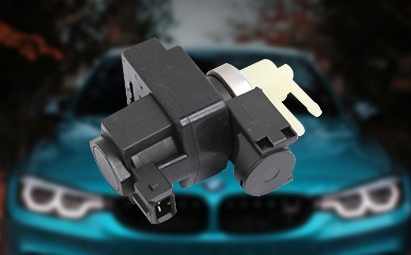
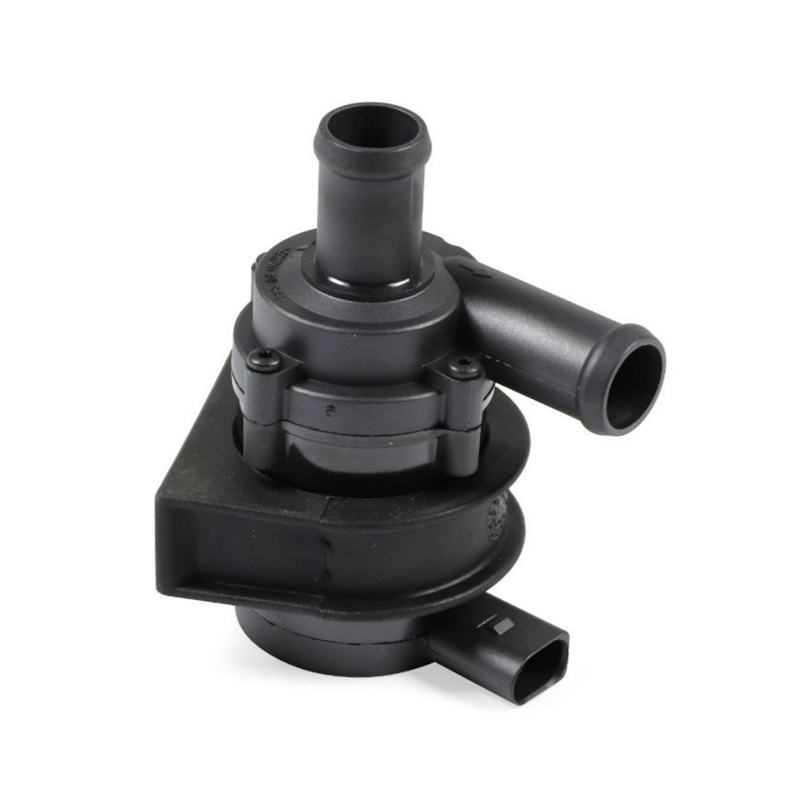
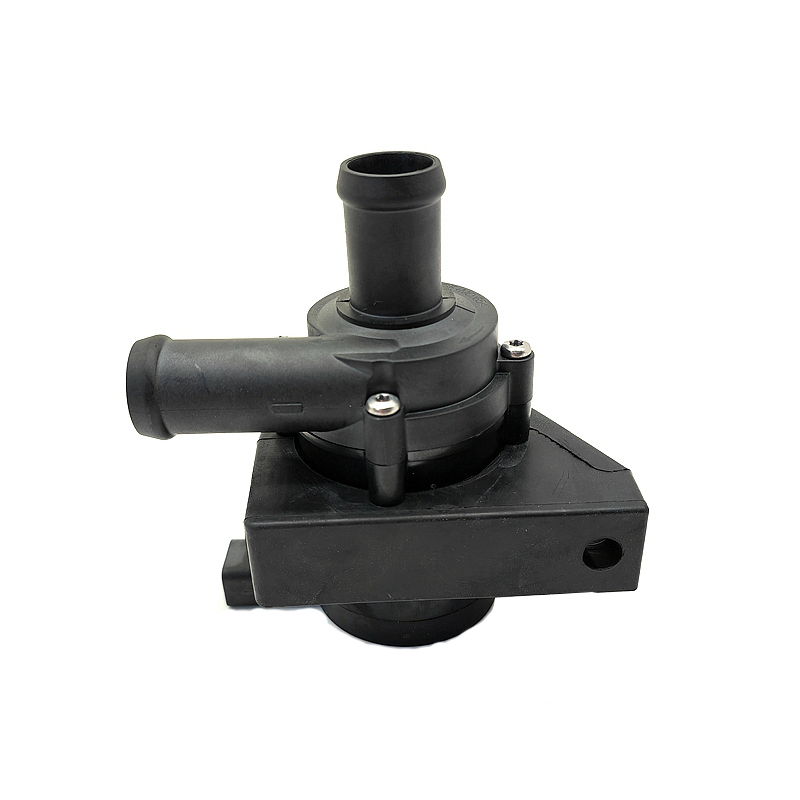
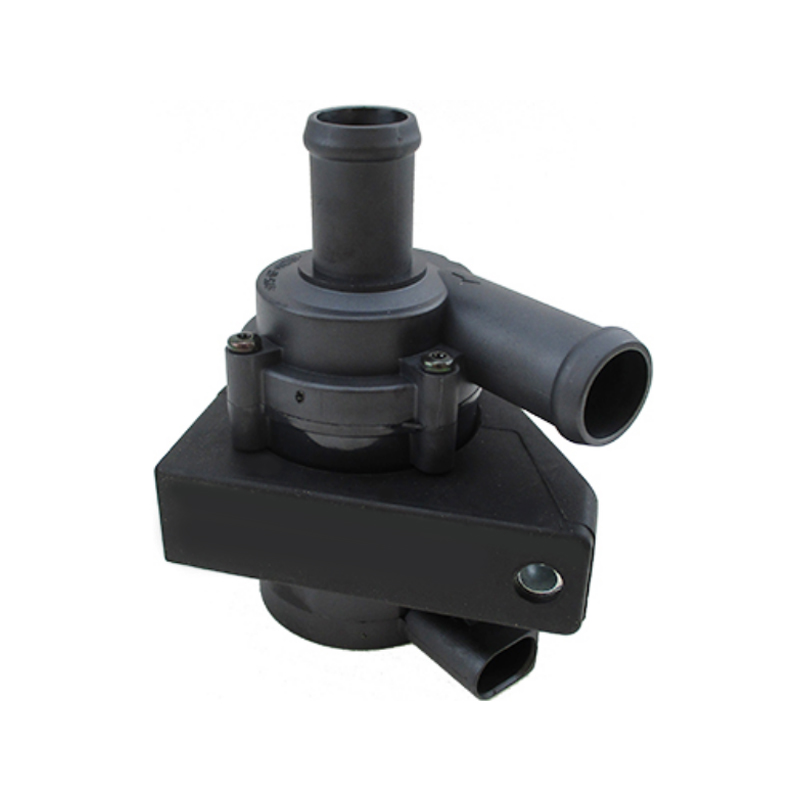
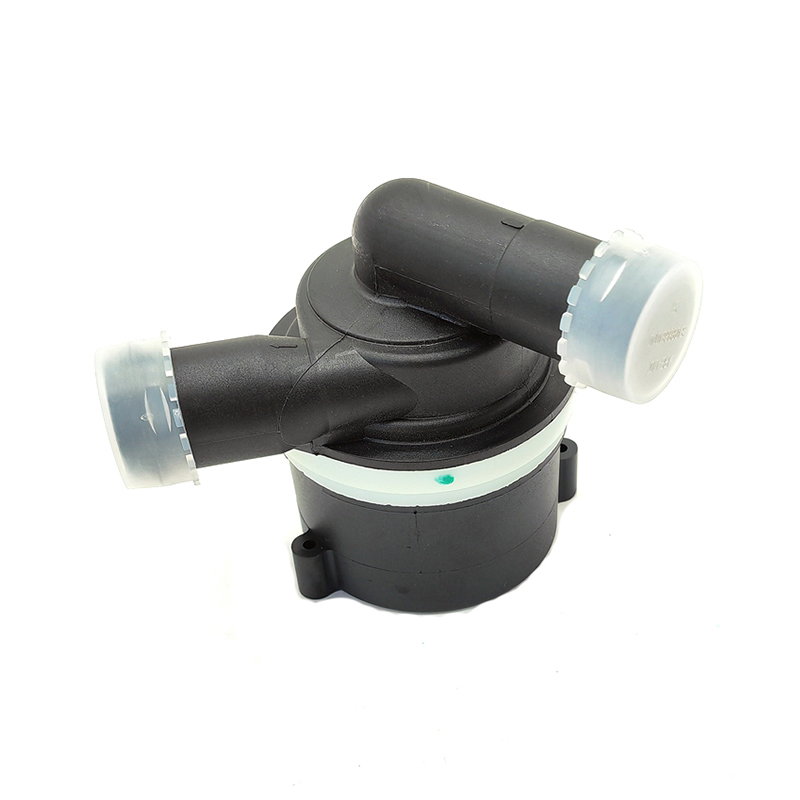
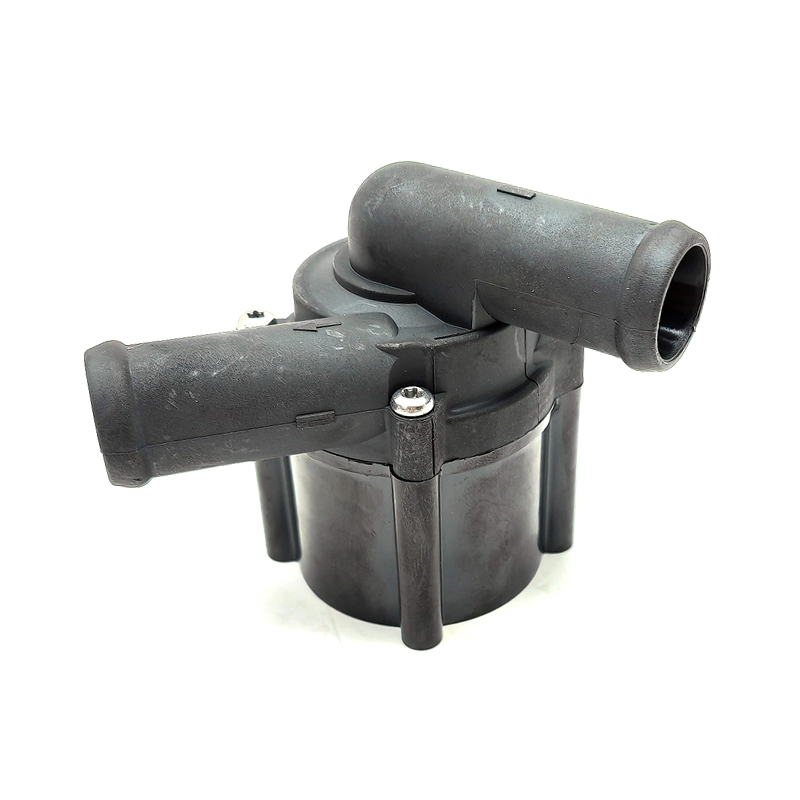
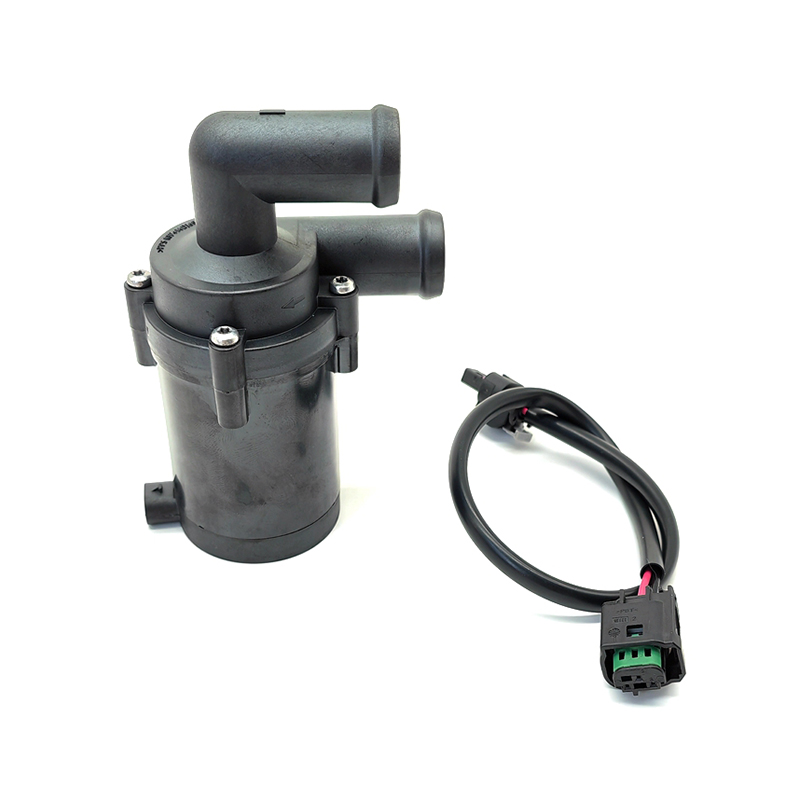
The Car Heater Valve — also commonly referred to in automotive HVAC terminology as the Automobile Heating Control Valve — controls the flow of hot engine coolant to the heater core. When you set your vehicle’s climate control to heat, this valve opens to allow warm coolant from the engine to pass into the heater core, where the blower fan pushes heated air into the cabin. Conversely, when set to cool or off, the valve closes to prevent hot coolant from entering the heater core, helping maintain the desired passenger compartment temperature.
These valves may be vacuum‑controlled, cable‑actuated, or electronically operated, depending on vehicle design. Intermediate mechanical parts such as solenoids and actuators control the valve movement, translating driver climate control inputs into physical coolant flow adjustments.
2. Typical Symptoms of Heating Failure at Idle
One of the most common complaints vehicle owners report is an issue where the heating system functions normally at highway speeds but loses heat or becomes weak when the car is idling. This often occurs due to subtle issues with coolant flow and valve responsiveness. Key symptoms include:
2.1 No or Reduced Heating When Idling
Many drivers notice that when they stop at traffic lights or sit in idle, the heater output suddenly drops and only cool or lukewarm air is emitted from the vents. The heater resumes normal heating once the car accelerates and coolant flow increases. This intermittent heating often signals a problem with coolant circulation or valve operation.
2.2 Inconsistent Cabin Temperature
Another red flag is when cabin temperatures fluctuate unpredictably. One moment the air is warm, and the next it cools down even though settings haven’t changed. This erratic behavior often points to a partially sticking valve or an actuator failing to open or close properly.
2.3 Erratic Temperature Gauge or Engine Heat Behavior
In cases where the valve is not regulating coolant properly, the engine may exhibit fluctuating temperature readings. If coolant isn’t flowing through the system efficiently, this can also impact overall engine heat distribution.
3. Why Heat Works at Speed But Not at Idle
The technical explanation for this behavior lies primarily in coolant flow dynamics:
- At higher engine RPMs (when driving), the water pump circulates coolant more forcefully, improving flow through the heater core, even if the valve is partially restricted or sticking.
- At idle, coolant flow rate is naturally lower. Any restriction — whether due to a failing valve, air pocket, or clogged hose — can significantly reduce the volume of warm coolant reaching the heater core, leading to a loss of heat output.
This difference in coolant circulation highlights why current flow diagnostics often involve testing at idle and at higher RPMs.
4. Common Technical Causes Behind Idle Heating Problems
Several issues can contribute to heating performance that only fails at idle:
4.1 Air in the Cooling System
Air bubbles within the cooling system can block coolant flow, especially at low speeds. These pockets act like small plugs, preventing consistent movement of fluid through the heater core and valve. Flushing and bleeding the system according to manufacturer procedures often resolves this problem.
4.2 Partial or Full Valve Obstruction
If the Car Heater Valve or Automobile Heating Control Valve becomes partially obstructed due to corrosion, sludge buildup, or internal degradation, it may not open sufficiently at idle RPMs. While it might function when the water pump is producing strong flow, lower flow states cannot push coolant through the restricted valve.
4.3 Insufficient Coolant or Contamination
Low coolant levels or contaminated coolant can exacerbate flow issues. Contaminants and degraded antifreeze can create deposits that interfere with proper valve operation and diminish heat transfer efficiency throughout the HVAC system.
5. Diagnostic Steps and Testing Procedures
Proper diagnosis involves a combination of visual inspection and hands‑on testing:
- Temperature Sensor and Hose Testing — Check the temperature of heater core hose inlets and outlets with a diagnostic scan tool or IR thermometer. Disparities in temperature can indicate restricted flow or valve failure.
- Valve Movement Check — When adjusting climate controls between hot and cold settings, observe whether the valve physically moves. Lack of movement may point to actuator or control signal issues.
- Coolant System Bleeding — Removing trapped air from the cooling system can often restore consistent heating performance at idle.
- Inspection for Leaks — Coolant leaks around the valve could signal gasket or housing failure that can compromise performance.
Detailed checklist approaches such as these are used by professional technicians to isolate issues in complex HVAC systems.
6. Technical Parameters to Consider
Understanding certain operating parameters can provide context for performance:
| Component | Typical Operating Parameter |
| Engine Coolant Temperature | ~190–210°F (88–99°C) |
| Coolant Flow Rate (Idle) | Lower than at highway RPM |
| Valve Response Time | ~0.5–1.5 seconds (electronic actuation) |
| Coolant System Pressure | ~15 psi (varies by model) |
Ensuring these parameters are within manufacturer tolerances is crucial for diagnosing heating system performance.
7. Practical Solutions and Recommendations
If you experience heating issues predominantly at idle:
- Check and maintain the coolant level and quality.
- Inspect hoses connected to the heater core and valves for signs of wear or blockage.
- Consider professional flushing and bleeding of the cooling system.
- Where necessary, replace failing valves with quality components from trusted suppliers like Wenzhou Xinhao Auto Parts Co., Ltd., a manufacturer experienced in automotive climate control parts.
Heating issues where the heater stops working at idle often trace back to coolant flow disruptions involving the Car Heater Valve or Automobile Heating Control Valve. Regular maintenance and early diagnosis help prevent winter discomfort and potential engine overheating risks. Recognizing and addressing these symptoms early ensures safe and comfortable driving in all seasons.

 View More >>
 View More >>
 View More >>
 View More >>
 View More >>
 View More >>
 No. 58, Aimin Road, Tangxia Town, Ruian City, Wenzhou City, Zhejiang, China
 +86-577-66082028
 +86-18966257799
