


 English
 русский
 Español
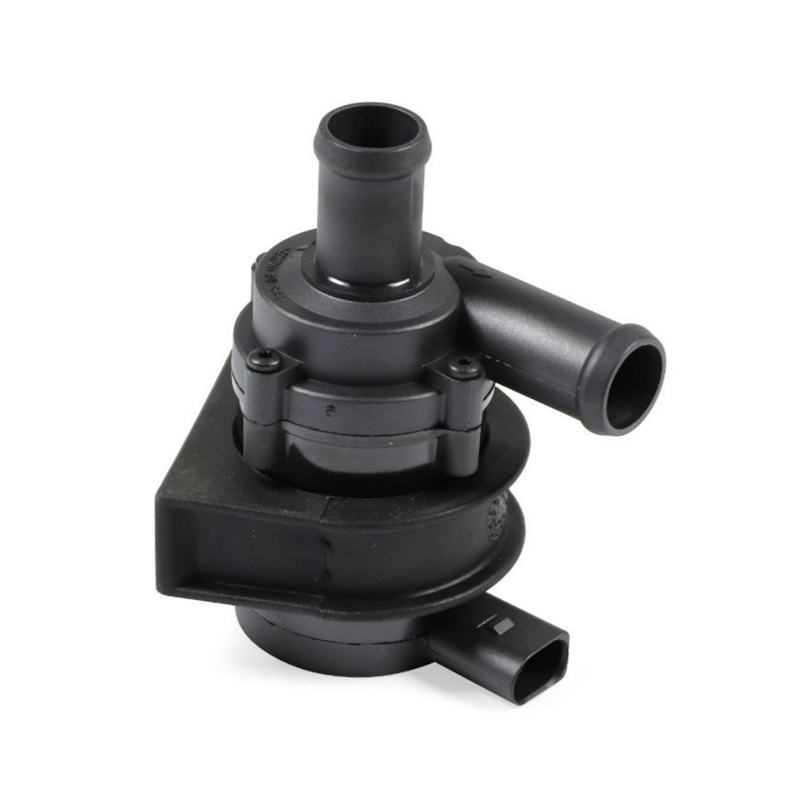
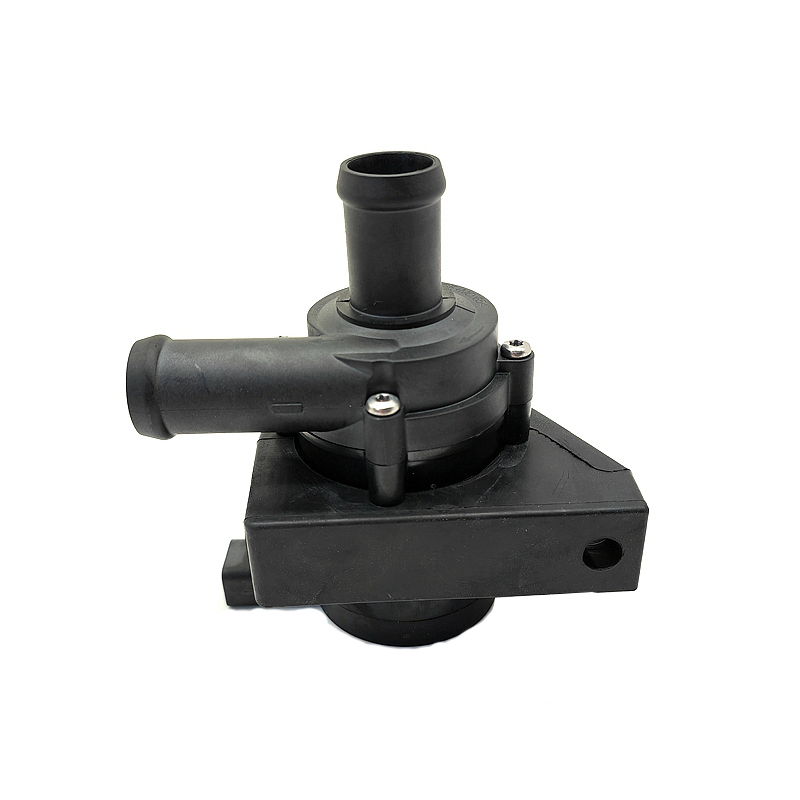
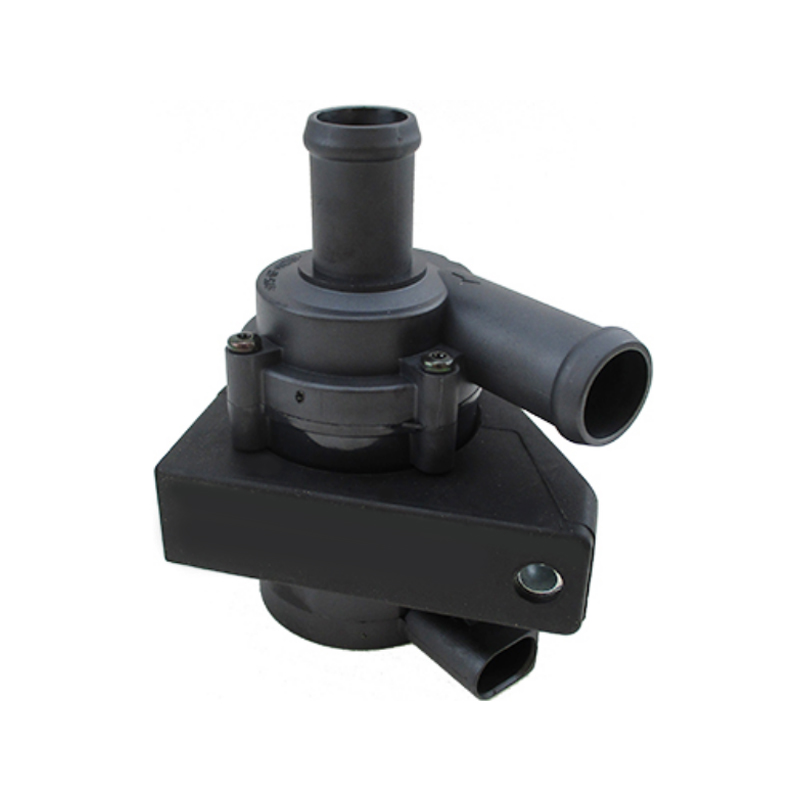
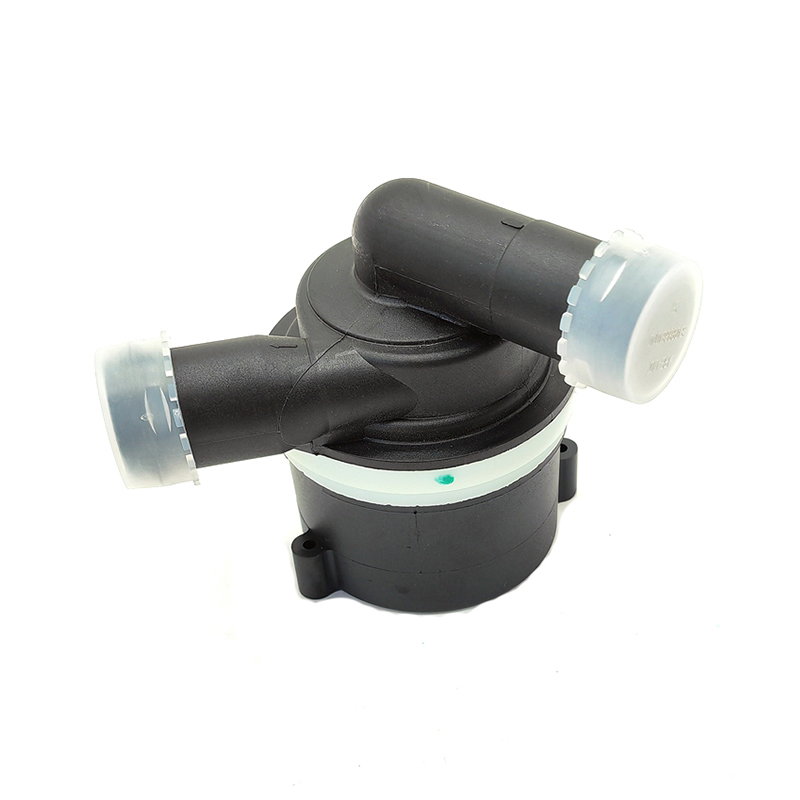
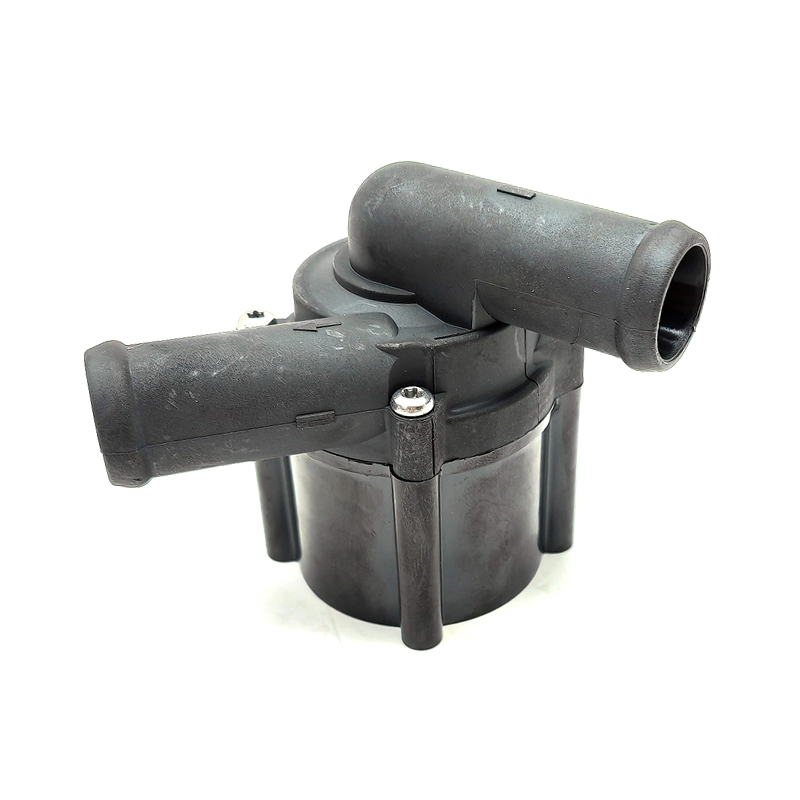
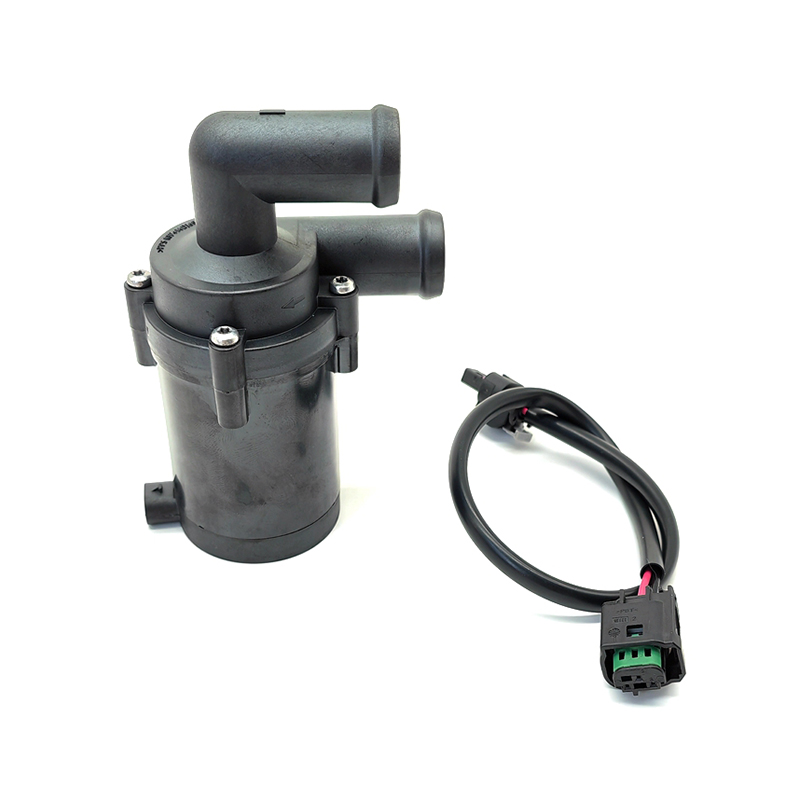
When your vehicle’s heater blows cold air even on a freezing day, one question many drivers ask is whether a car heater water valve can be the culprit. Closely related to this is the auto heater control valve, a component designed to regulate the flow of hot engine coolant into the heater core. These parts work together with the cooling and HVAC system to deliver warm air into the cabin. Some users have shared on forums and social platforms that malfunctioning heater valves often result in very noticeable “no heat” situations, so understanding how they behave and what to look for is essential — especially if your vehicle’s heater simply refuses to warm up. At Wenzhou Xinhao Auto Parts Co., Ltd., we often hear from drivers trying to pin down what’s causing their heating issues, and a faulty valve is frequently part of the discussion.
Why Heater Valves Matter for Cabin Heat
The heater water valve and heater control valve play a direct role in guiding hot coolant from your engine to the heater core. When functioning properly, they open according to temperature settings so warm coolant can flow and release heat into the cabin. If either valve fails, it can restrict or stop coolant flow, preventing heat from reaching the heater core. In many documented cases, drivers experience no warm air at all even though the engine reaches normal operating temperature — a key sign that coolant is not being delivered where it should be.
Unlike blend doors or thermoreats that affect airflow or engine temperature regulation, a malfunctioning valve interrupts the coolant circulation path directly. This makes it a critical initial stop when diagnosing a lack of heater output.
Common Symptoms Related to Heater Valve Failure
When a heater water valve or heater control valve causes a “no heat” condition, symptoms often manifest in predictable ways:
- Completely Cold Air: Even when the temperature dial is set to the highest heat, the vents continue to blow cold air. This usually means the valve is stuck closed, blocking hot coolant from entering the heater core.
- Temperature Fluctuation: In some cases, heat may briefly appear and then disappear, indicating intermittent valve function or internal blockage.
- Hoses Not Heating Up: When checking heater hoses, if the hose entering the valve is warm but the one exiting remains cold, the valve is very likely blocking flow.
- Coolant Leaks or Low Levels: Although not universally present, leaks around valve connections or noticeably low coolant can coincide with valve malfunctions or system imbalance.
In several user-reported scenarios from forum discussions, drivers noted that cold air persisted even after replacing the thermoreat or heater core — only to discover the valve itself wasn’t allowing warm coolant to circulate properly.
Diagnosing the Heater Valve Problem
Since a no-heat issue may stem from several sources, isolating the valve as the cause requires some methodical checks:
- Feel the Heater Hoses: With the engine warmed up and the heater set to maximum, carefully feel both heater hoses. If one remains significantly cooler than the other, suspect a blockage or valve failure.
- Inspect for Valve Movement: In vehicles with vacuum or electronically controlled valves, ensure the valve actually opens when heat is requested. Some drivers have found valves that never move due to failed actuators or lost control cables.
- Check Coolant System Integrity: Sometimes a stubborn air bubble, clogged heater core, or low coolant level can mimic valve failure. Confirm that the cooling system is properly bled and filled before condemning the valve outright.
- Listen for Unusual Behavior: Clicking, hissing, or irregular operation of heater controls can hint at vacuum leaks or electric control issues affecting the valve.
In some complex cases — especially with modern vehicles where blend doors and HVAC modules interplay with valve function — technical diagnostics or professional inspection is recommended.
What Should You Do If Valve Failure Is Suspected?
If your testing points toward the heater water valve or heater control valve as the source of the problem, replacement is often the more reliable solution. A stuck valve typically won’t repair itself and can continue to cause inconsistent heat delivery or leave you with no heat at all. When choosing a replacement part, quality matters — look for components that meet or exceed original specifications to ensure durability and proper fit. Wenzhou Xinhao Auto Parts Co., Ltd. supplies a range of heater valve options that align with many vehicle models and help restore effective cabin heating.
For vehicles suffering from inconsistent or absent heat in colder months, addressing heater valve issues promptly ensures comfort and prevents further cooling system complications. If in doubt, seek professional help to diagnose and repair the system correctly for reliable performance.

 View More >>
 View More >>
 View More >>
 View More >>
 View More >>
 View More >>
 No. 58, Aimin Road, Tangxia Town, Ruian City, Wenzhou City, Zhejiang, China
 +86-577-66082028
 +86-18966257799
