


 English
 русский
 Español
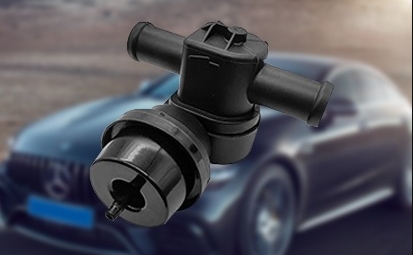
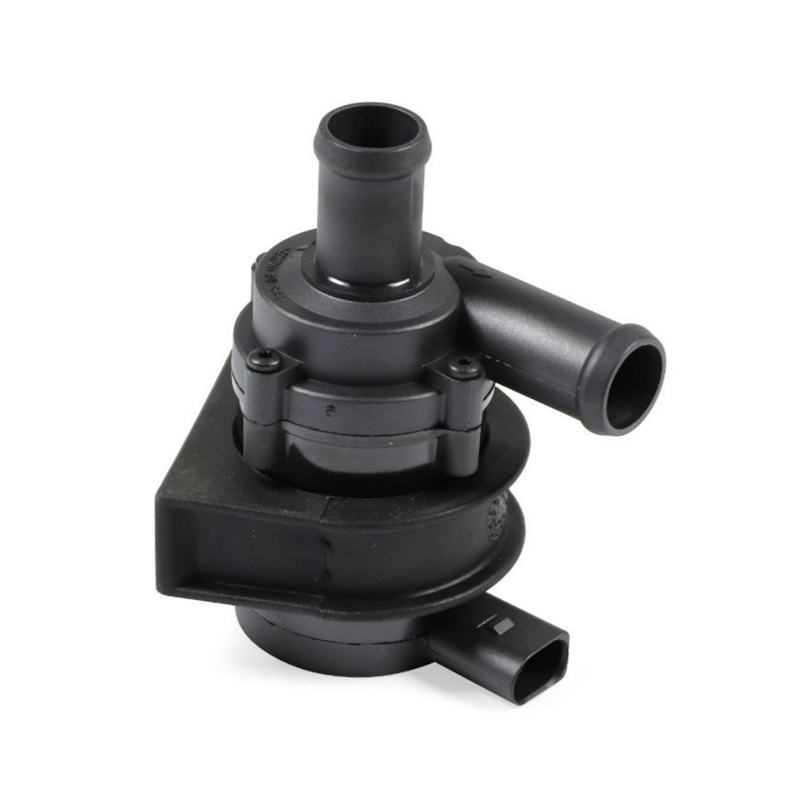
If your vehicle’s heating system isn’t working as expected, one component that often raises questions is the auto heater control valve, which plays a critical role in regulating hot coolant flow to the heater core. Likewise, the car heater water valve helps manage coolant circulation to ensure your cabin heating performs efficiently. Recently, some users have brought up instances where these parts appear to leak coolant, causing both comfort issues and potential engine concerns. If left unaddressed, such leaks can affect overall cooling system balance and cabin heat performance. At Wenzhou Xinhao Auto Parts Co., Ltd., we understand how these valves function and what common symptoms to look out for when problems arise.
What Causes Coolant Leaks Around the Heater Valve?
A coolant leak near the heater control assembly often signals wear or damage. Over time, the heater control valve housing, seals, or connections may degrade due to heat cycles and corrosion, allowing coolant to escape. Coolant may appear as small drips, steam jets, or larger puddles under your vehicle or near the firewall. The coolant leak doesn’t just reduce heat output — it can compromise the entire cooling system, potentially causing the engine to overheat if too much fluid is lost. Users discussing similar issues on automotive forums frequently mention cracks or worn seals as primary culprits.
Symptoms That Suggest a Faulty Heater Control Valve
Coolant leaking from a heater control or car heater water valve rarely occurs in isolation. Other symptoms often accompany a leak and can help you determine whether the valve is the problem:
- Loss of Cabin Heat: A valve that is stuck closed or malfunctioning may prevent hot coolant from reaching the heater core, leaving only cold air blowing through your vents.
- Inconsistent Temperature: Sometimes the heat comes and goes, or the temperature fluctuates without changes to your controls, a sign of inconsistent coolant flow.
- Unusual Sounds: Owners report hissing, gurgling, or clicking near the valve area when temperatures change. These noises could result from trapped air or partial obstructions.
Diagnosing the Issue
Finding the source of a coolant leak near your heating system typically begins with a visual inspection. Look for:
- Visible Wetness or Residue: Check around the valve housing and connecting hoses for coolant traces. Leaks are often more noticeable after the engine has been running.
- Coolant Level Drops: If your coolant reservoir level declines without another obvious cause, the heater valve may be losing fluid.
- Hose Condition: Brittle, cracked, or swollen hoses at the valve connection can contribute to leaks and should be inspected.
In some forum discussions, users have even removed the control valve entirely and rerouted hoses because the valve consistently fails and causes leaks. While this approach may work for specific older models, a direct repair or replacement remains the recommended solution for more vehicles.
What You Can Do Next
If you suspect your heater control valve is leaking:
- Check for Coolant Leaks: Look under your car after it has been parked or after driving. Noticeable fluid often indicates a problem with coolant components.
- Inspect Components: Carefully check the valve, hoses, and clamps. Damaged or corroded parts should be replaced.
- Consider Replacement: A failing heater control valve or car heater water valve often requires replacement to restore reliable heating and prevent further coolant loss.
Coolant leaking from an auto heater control valve or car heater water valve can affect both your vehicle’s comfort and cooling system performance. Recognizing common symptoms — such as loss of heat, fluctuating cabin temperatures, or visible coolant leaks — can help you take timely action. If you’re unsure, have a qualified technician inspect the system. For reliable replacement parts and technical support, Wenzhou Xinhao Auto Parts Co., Ltd. offers a range of valve options designed to address these issues and improve your vehicle’s heating system reliability.

 View More >>
 View More >>
 View More >>
 View More >>
 View More >>
 View More >>
 No. 58, Aimin Road, Tangxia Town, Ruian City, Wenzhou City, Zhejiang, China
 +86-577-66082028
 +86-18966257799
