


 English
 русский
 Español
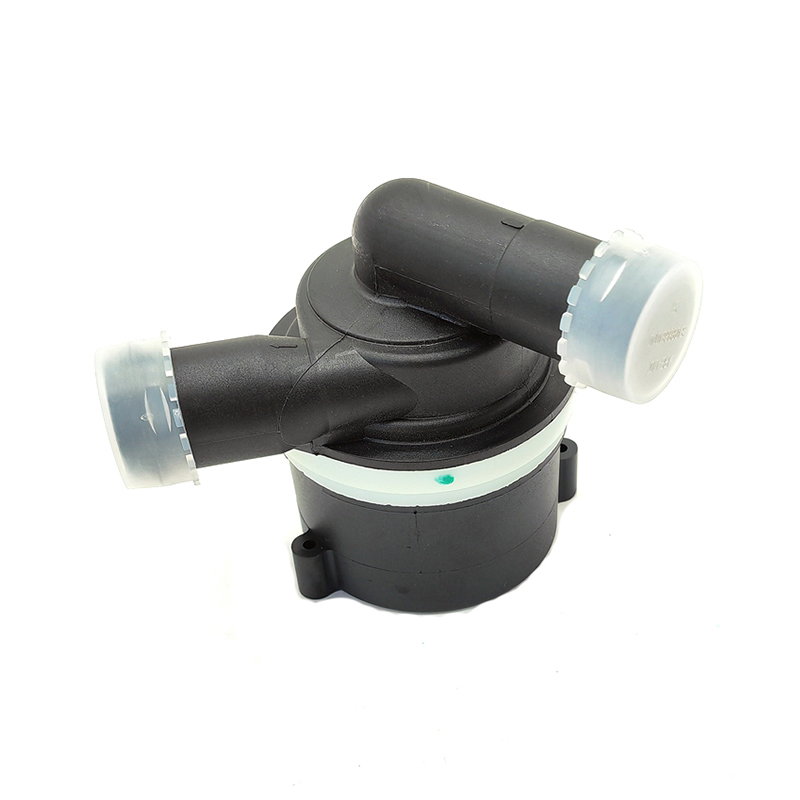
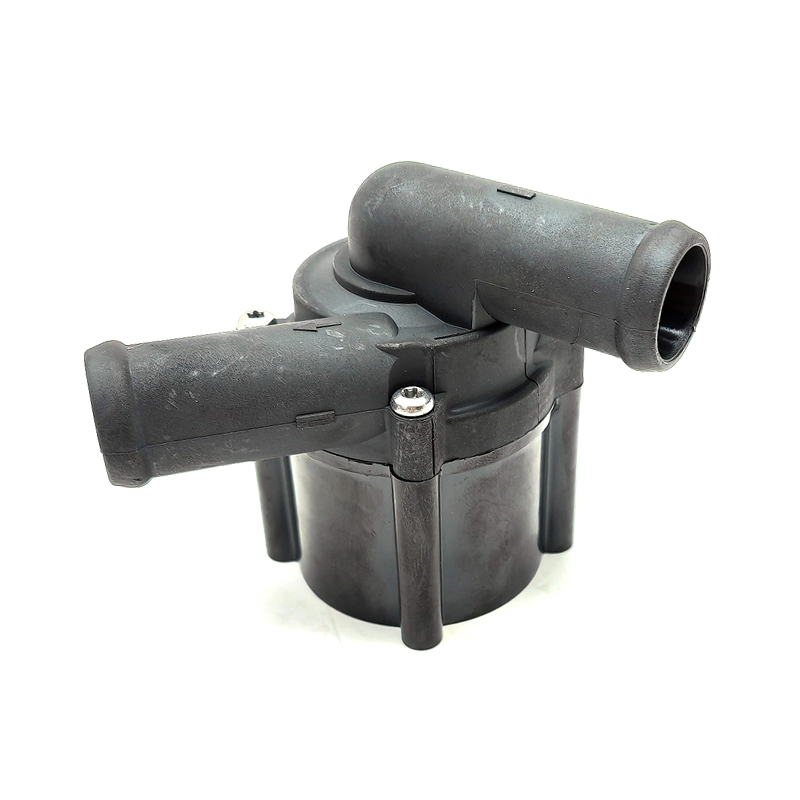
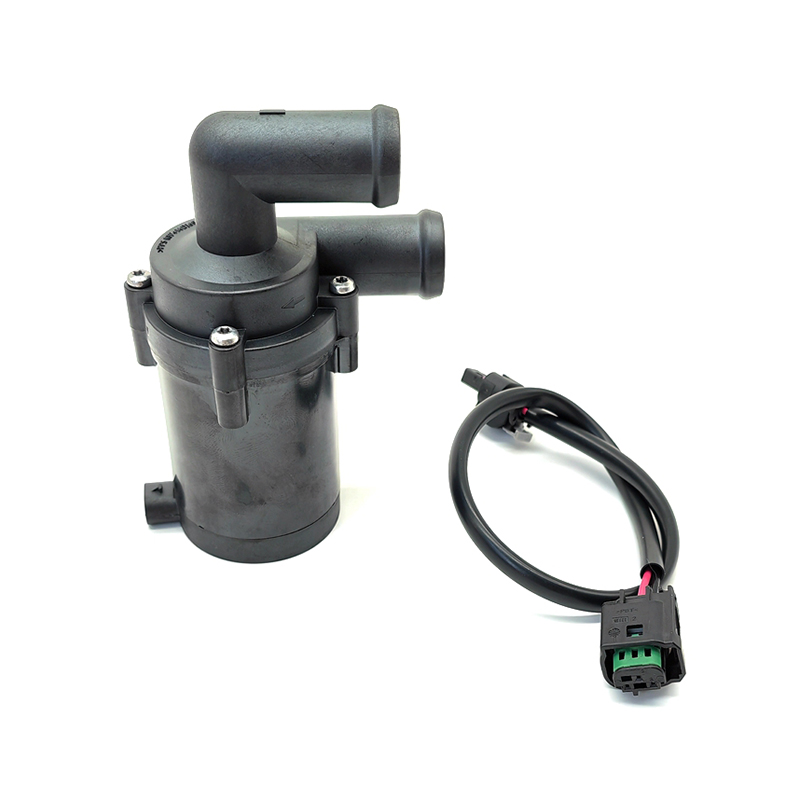
For drivers and mechanics dealing with vehicle cooling systems, auto parts water pump fitment often becomes a major concern when sourcing replacement parts from China auto parts manufacturers or other suppliers. Proper fit during installation is critical to ensure that the water pump integrates correctly with existing hoses, bolts, and mounting surfaces. Poor fitment can cause installation delays, additional modifications, or even early component failure — all issues that users aim to avoid when choosing replacement parts.
Ensuring a proper fit goes beyond simply matching part numbers. Because water pumps vary by engine layout, hose routing, and accessory drive systems, even small deviations in dimensions or port placement can create challenges on the shop floor or in a home garage.
Why Fitment Matters in Water Pump Replacement
Installing a new water pump assumes it will sit seamlessly into the intended space and align with all connection points. In reality, fit issues can arise when aftermarket or generic replacements are used instead of parts engineered specifically for a vehicle’s design. These problems do not necessarily reflect a manufacturing defect but underscore the importance of understanding variances in part specifications.
Common scenario examples include:
Hoses lacking clearance or rubbing against adjacent engine components.
Cooling hose attachments that don’t align correctly.
Mounting bolt holes that fail to match without force or modification.
These issues affect not only the installation process but also the long‑term durability of the cooling system.
Examples of Fitment Challenges During Installation
1. Hoses and Outlets Misaligned
One reported case involved a water pump installed on a 2003 Chevy Silverado where the hose did not allow adequate clearance for proper clamping. The mismatch was significant enough that forcing the hose could risk tearing it. In that situation, comparing various replacement parts and selecting the one which provided correct hose routing was necessary to complete the installation successfully.
2. Bolt Hole Misalignment
Other drivers find that aftermarket water pumps don’t align perfectly with engine block bolt holes. One example saw a water pump where one mounting hole on the pump simply wouldn’t allow a bolt to thread at all. This is often due to slight variances in casting or machining, which can happen when parts are produced in different factories or to generalized, rather than model‑specific, specifications.
How Fitment Issues Can Impact Other Parts
Fit problems don’t just delay installation — they can affect other cooling system components:
Hose stress can cause premature wear if components are pulled out of optimal alignment.
Misaligned bolts can cause leaks around the water pump housing.
Other accessories, such as belt‑driven pulleys, can experience undue strain if the water pump position isn’t correct.
In rare cases, poorly fitting pumps have been linked to unexpected wear on serpentine belts and adjacent pulleys, potentially causing to further maintenance needs after installation.
Ideal Practices for Successful Water Pump Fitment
1. Compare Parts Before Installation
Before installation, match the new water pump with the old part. Check hose outlet positions, inlet diameters, bolt hole locations, and pulley alignments. In community discussions, experienced car owners emphasize side‑by‑side comparison as a simple but effective technique to avoid surprises during installation.
2. Work with Clear Part Specifications
Always verify that the replacement water pump is explicitly compatible with your engine model and year. Part numbers and detailed dimensional drawings from manufacturers can help prevent incorrect purchases.
3. Choose Suppliers with Precision Manufacturing Controls
Selecting parts from suppliers known for consistent engineering tolerances helps reduce the risk of installation problems. At Wenzhou Xinhao Auto Parts Co., Ltd., we focus on precision engineering and rigorous quality checks to provide water pumps that fit as intended, minimizing the chances of misalignment or clearance problems in real‑world installs.
Checking Compatibility in Advance
One reason fitment issues occur is because many aftermarket water pumps are designed for universality across multiple vehicle models. While this can reduce cost, it increases the risk that the replacement part does not match every specific detail of a vehicle’s cooling system design. In contrast, model‑specific parts designed with exact fitment standards reduce surprises during installation.
When buying replacement water pumps:
Consult manufacturer fitment guides.
Use part lookup tools with vehicle year, make, and engine code.
Avoid guesswork by confirming dimensions and outlet positions before finalizing a purchase.
Fitment challenges with auto parts water pumps can be more than a minor inconvenience — they can cause extra work, added cost, or even system performance issues if left unaddressed. By understanding common problems, checking parts thoroughly before installation, and choosing components engineered with precise specifications, you can improve the success rate of your water pump replacements. Ensuring that your chosen part fits correctly from the start helps maintain a reliable and resilient cooling system for your vehicle.

 View More >>
 View More >>
 View More >>
 View More >>
 View More >>
 View More >>
 No. 58, Aimin Road, Tangxia Town, Ruian City, Wenzhou City, Zhejiang, China
 +86-577-66082028
 +86-18966257799
