


 English
 русский
 Español
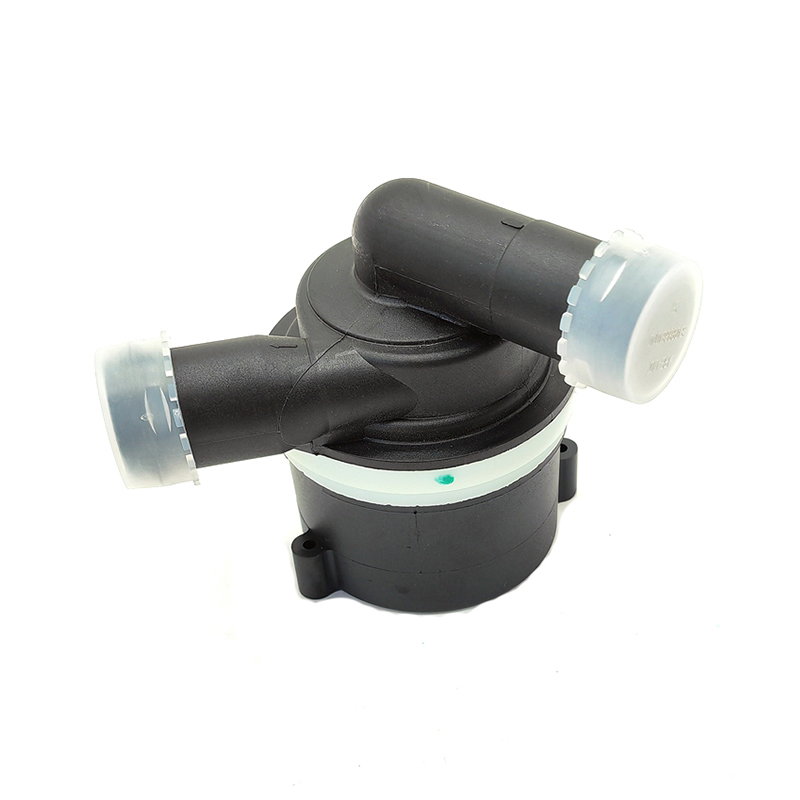
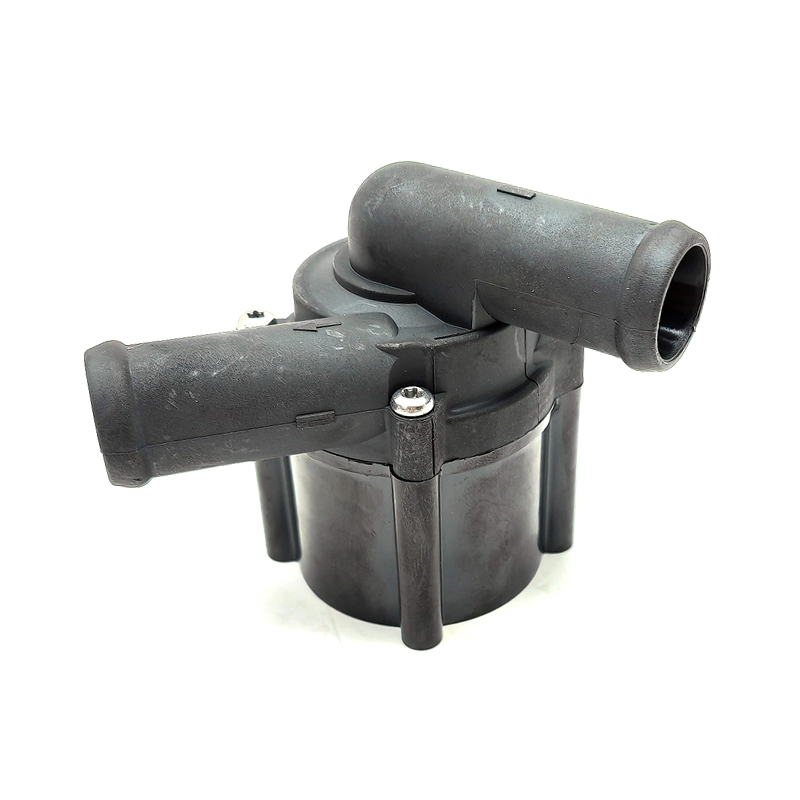
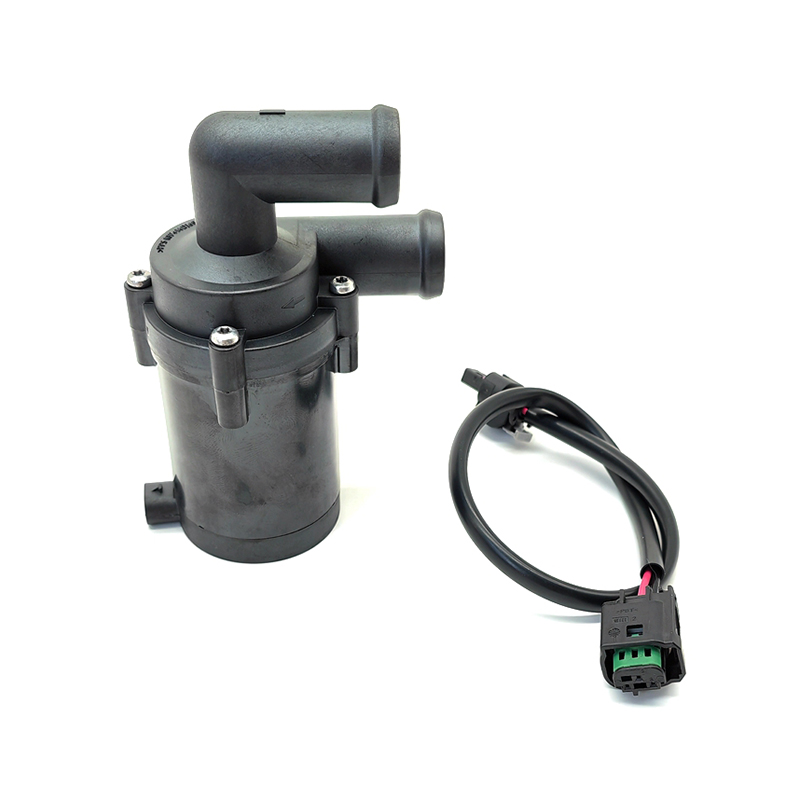
For vehicle owners and technicians sorting through replacement parts, auto parts water pump failures are often a hot topic when researching products from China auto parts manufacturers and global suppliers. A water pump is a crucial component of the engine cooling system, responsible for circulating coolant to prevent overheating. When these pumps fail frequently, it not only frustrates owners and mechanics but also raises questions about part longevity and installation quality.
Why Water Pump Longevity Is Important
A dependable water pump keeps the engine operating at the correct temperature by ensuring coolant flows continually through the engine block and radiator. If the pump fails, the engine can overheat, potentially causing serious damage such as warped cylinder heads or a blown head gasket. According to maintenance guides, symptoms like overheating, coolant leaks, and strange noises are key indicators that the water pump may be failing.
When drivers encounter repeated failures, it often signals not just a single defective part but possibly a deeper issue with part quality or installation practices.
Real‑World Experiences With Frequent Failures
Across user discussions, many vehicle owners report having to replace their water pumps multiple times over a short period:
A driver shared that after replacing the pump in a 2019 Corolla hatchback, the water pump failed again within days, sparking concern that the part might have been faulty.
Another vehicle owner described three pump replacements happening over a couple of years, with coolant leaking each time, suggesting recurring failures could sometimes be linked to improper installation or belt tension issues.
A Prius owner reported that water pumps seemed to fail every one to two years despite attempts with different parts from aftermarket suppliers.
These user‑reported stories highlight how multiple failures can shake confidence in parts purchased from certain aftermarket sources.
Common Causes Behind Repeated Failures
Understanding the root causes of frequent water pump failures can help vehicle owners and technicians take preventative steps:
1. Incorrect Installation Practices
Improper installation can introduce air pockets or misalignment, which restrict coolant flow and put extra strain on the pump. In some cases, an overly tight belt or incorrect torque can shorten pump life.
2. Contaminated Coolant or Poor Maintenance
Coolant contamination or the use of incorrect fluid mixtures can accelerate internal corrosion and wear on seals and impellers. This damage often leads to internal leaks and premature part wear.
3. Accessory Drive Issues
A misaligned drive pulley or tensioner can place uneven stress on the pump shaft and bearings, causing to accelerated wear. This problem is commonly cited in vehicle maintenance discussions as a factor in repeated failures.
Smart Strategies to Reduce Repeat Replacements
Addressing these issues often involves a mix of preventive maintenance and smarter part selection:
- Flush the Cooling System:
Before installing a new water pump, flush the cooling system thoroughly to remove rust, debris, and old coolant that could cause internal damage to the new part.
- Check Belt Alignment:
Properly inspect and align the accessory drive belt and tensioner. Misalignment can shorten the life of the pump and other components.
- Use High‑Quality Parts:
Choose replacement water pumps that meet precise manufacturing tolerances and performance standards. Parts that are engineered with quality materials and subject to rigorous inspection can reduce the likelihood of early failure.
How Wenzhou Xinhao Auto Parts Co., Ltd. Addresses Longevity Concerns
At Wenzhou Xinhao Auto Parts Co., Ltd., we understand the importance of reliable cooling system components. Our commitment to precision engineering and consistent quality control ensures that our water pumps are manufactured to standards that help reduce repeated replacements and extend service life, even under demanding conditions.
Frequent water pump failures prompt understandable questions from car owners, mechanics, and fleet managers alike. Although individual experiences vary, many repeat failures stem from underlying installation issues, coolant contamination, or accessory drive problems rather than a single isolated cause. By combining quality parts with proper maintenance practices, vehicle owners can reduce the occurrence of repeated failures and maintain effective cooling system performance.

 View More >>
 View More >>
 View More >>
 View More >>
 View More >>
 View More >>
 No. 58, Aimin Road, Tangxia Town, Ruian City, Wenzhou City, Zhejiang, China
 +86-577-66082028
 +86-18966257799
