


 English
 русский
 Español
Maintaining the automotive coolant pump and car engine water pump is essential for preventing engine overheating and ensuring reliable vehicle operation. Through regular coolant replacement, belt and pulley inspection, leak monitoring, system flushing, and using quality replacement parts, drivers can protect their engine and extend cooling system life. Regular inspection and care can prevent minor issues from becoming major problems, saving both time and money for vehicle owners.
1. Importance of Water Pump Maintenance
The water pump circulates coolant through the engine block and radiator, helping dissipate heat generated during combustion. Without proper maintenance, even a high-quality pump may fail prematurely, resulting in:
Engine overheating and thermal stress
Damage to cylinder head gaskets or engine block
Reduced efficiency of the heater system
Increased wear on related cooling system components
Routine maintenance ensures that the automotive coolant pump and car engine water pump continue to operate effectively under all driving conditions.
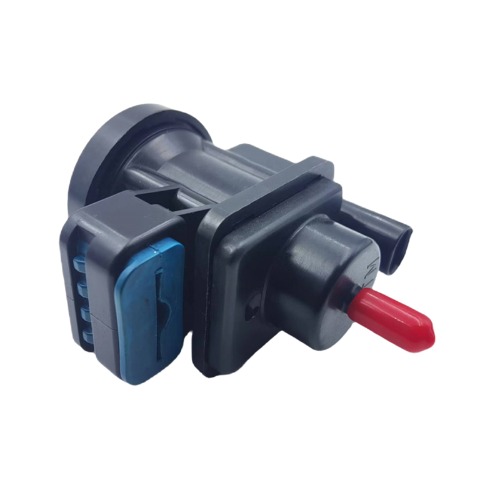
2. Regular Coolant Replacement
Coolant degrades over time, losing its anti-corrosion and heat-transfer properties. To maintain pump performance:
Replace coolant according to manufacturer recommendations, typically every 2–3 years
Use coolant with the correct chemical composition to prevent internal corrosion
Avoid mixing different types of coolant, which can reduce effectiveness
Clean and properly formulated coolant protects the pump’s seals and impeller, reducing the risk of leaks or noise.
3. Inspecting Belts and Pulleys
Many water pumps are driven by belts or timing chains. Regular inspection can prevent pump stress:
Check for worn, cracked, or frayed belts
Ensure pulleys are aligned correctly to avoid vibration
Adjust tension as needed to prevent slippage
Proper belt maintenance helps the pump operate quietly and efficiently, reducing the risk of overheating.
4. Checking for Leaks and Unusual Noises
Even minor leaks can compromise the pump’s efficiency:
Inspect the pump housing and surrounding hoses for damp spots or residue
Listen for unusual whining, grinding, or rattling noises
Address leaks or mechanical wear immediately to prevent further damage
Early detection of these signs ensures the pump continues circulating coolant effectively.
5. Cleaning and Flushing the Cooling System
Over time, sediment or rust may accumulate in the cooling system, affecting pump performance:
Flush the radiator and hoses periodically to remove buildup
Clean any debris that may obstruct coolant flow
Ensure the thermoreat and radiator cap function properly
A clean system allows the car engine water pump to move coolant efficiently, reducing the chance of engine overheating.
6. Choosing Reliable Replacement Components
When maintenance requires part replacement, selecting quality pumps is critical:
High-quality water pumps have durable seals, reliable bearings, and precise impellers
OEM-equivalent parts maintain correct coolant flow and pressure
Components from reputable manufacturers ensure long-term system reliability
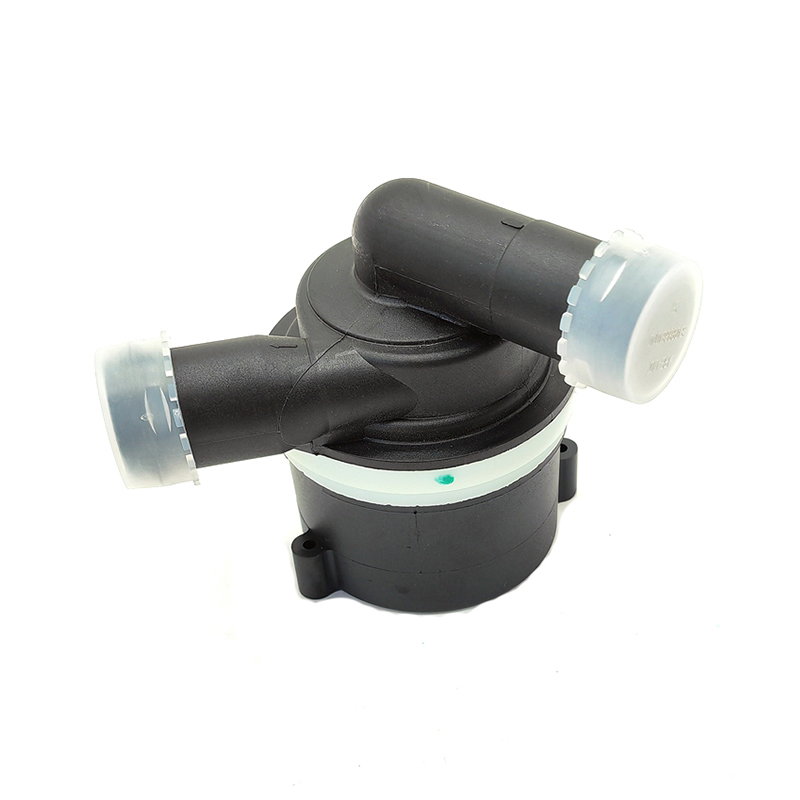
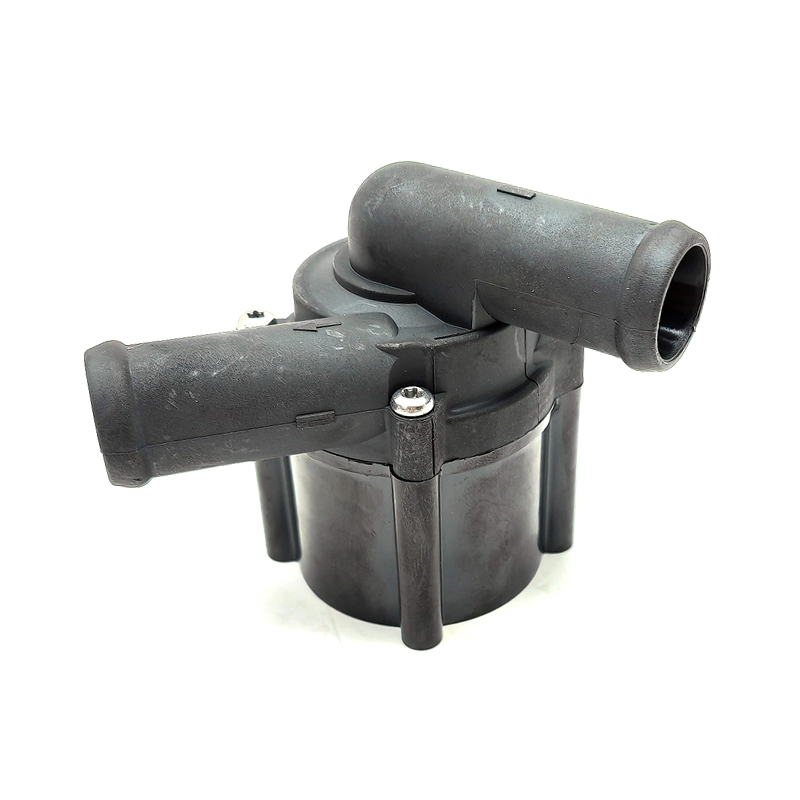
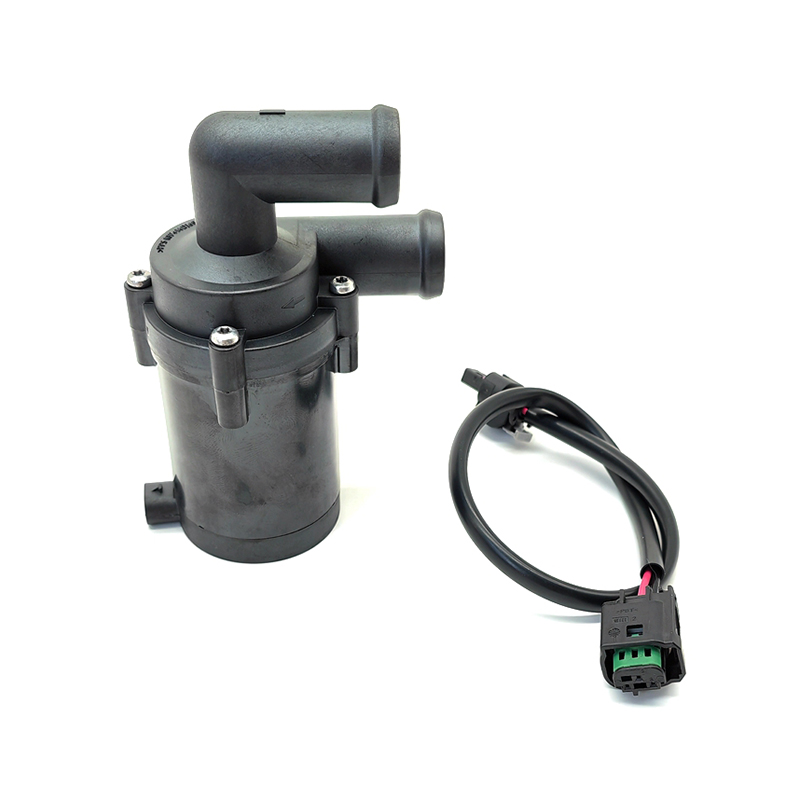
Wenzhou Xinhao Auto Parts Co., Ltd. provides durable automotive coolant pumps and water pumps designed for stability and extended service life, supporting both workshops and vehicle owners.
7. Routine Inspections and Preventive Measures
Preventive maintenance extends pump life and improves engine performance:
Monitor coolant levels regularly
Inspect hoses, clamps, and connections for leaks or wear
Replace worn or damaged belts and pulleys
Observe engine temperature and warning indicators during operation
Consistent attention to these details prevents overheating and reduces the risk of emergency repairs.
With components from Wenzhou Xinhao Auto Parts Co., Ltd., vehicle owners and service providers can rely on durable, high-performance pumps that support long-term engine safety and efficiency.


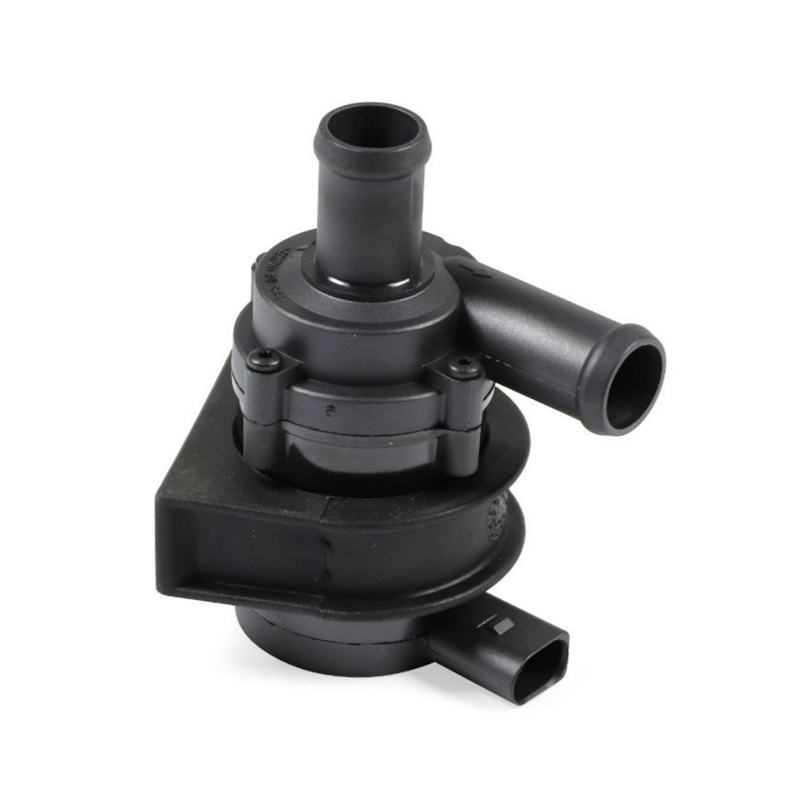 View More >>
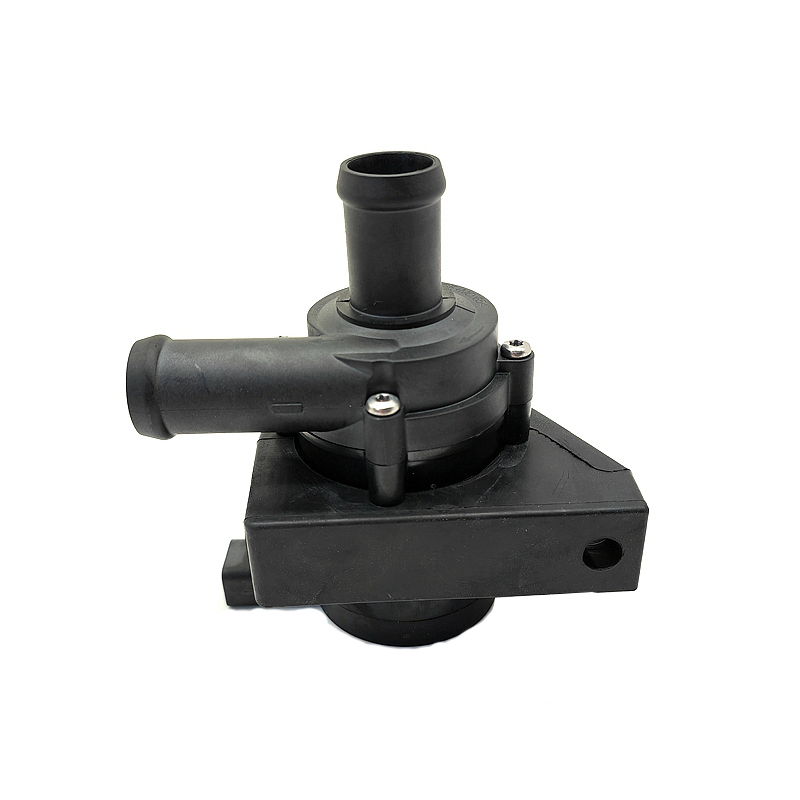 View More >>
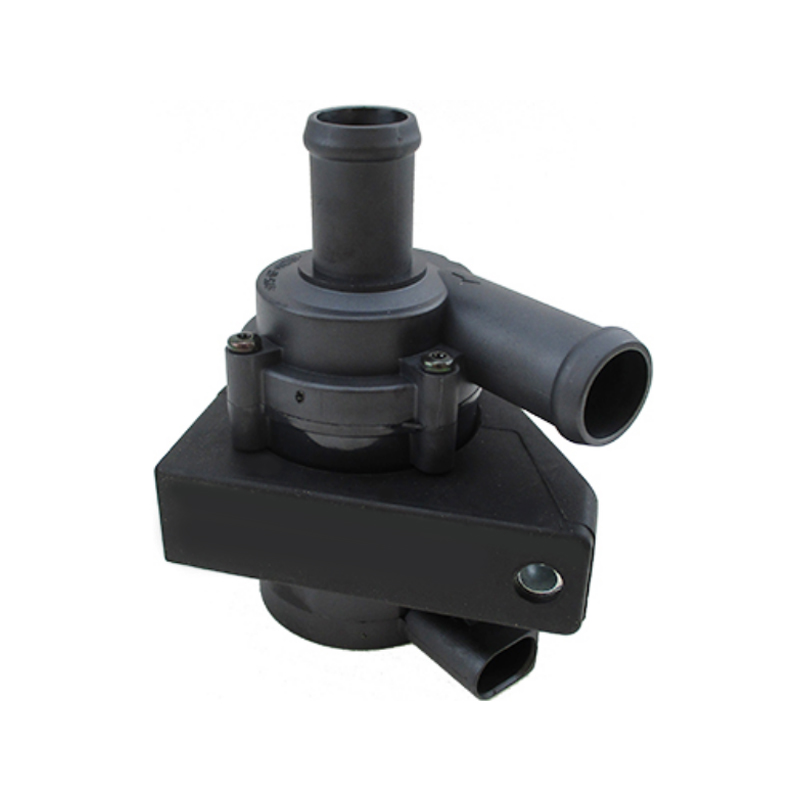 View More >>
 View More >>
 View More >>
 View More >>
 No. 58, Aimin Road, Tangxia Town, Ruian City, Wenzhou City, Zhejiang, China
 +86-577-66082028
 +86-18966257799
