


 English
 русский
 Español
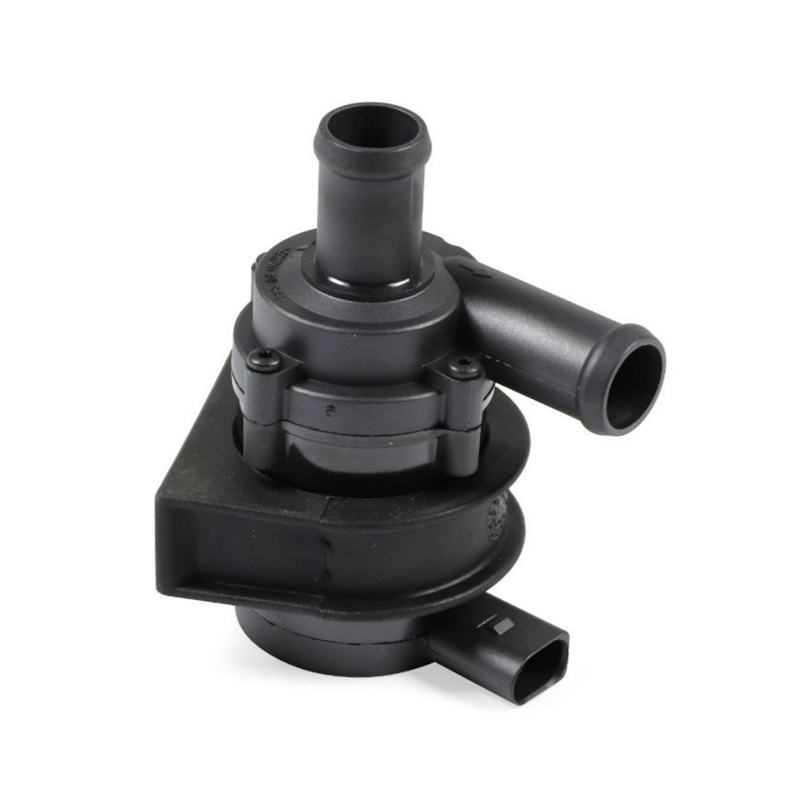
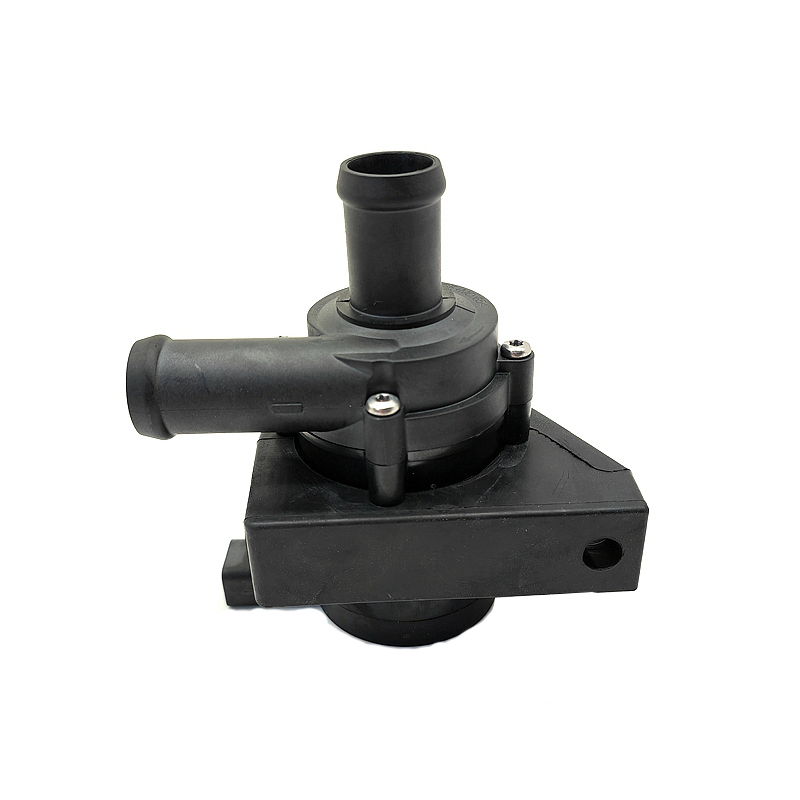
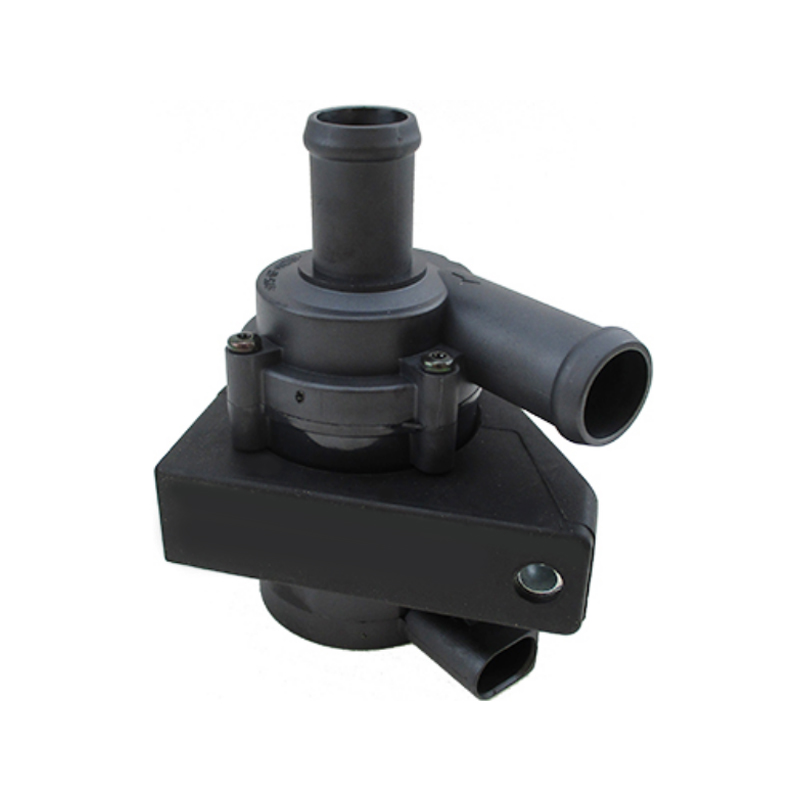
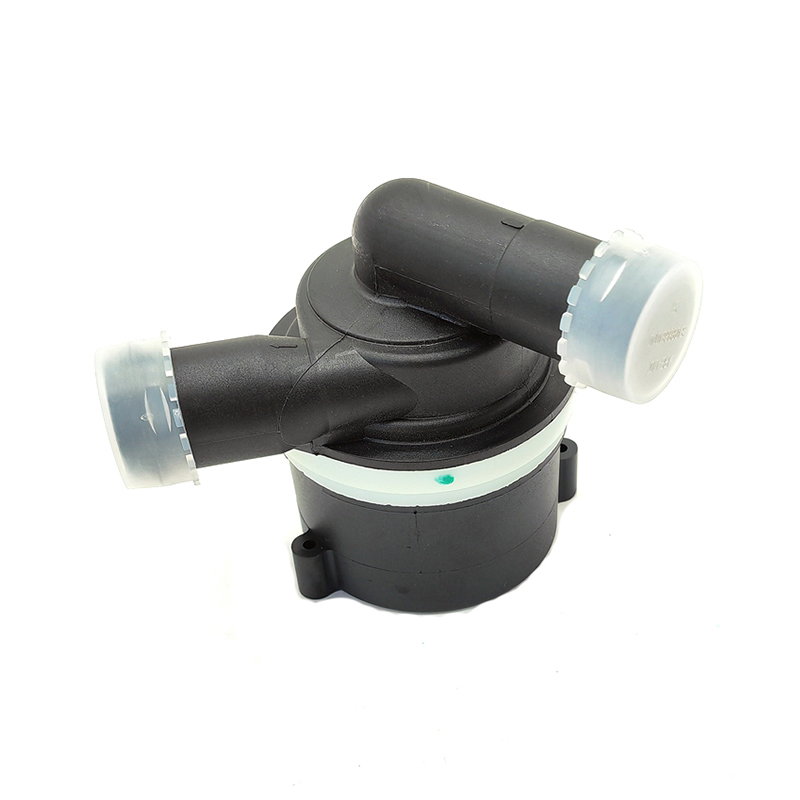
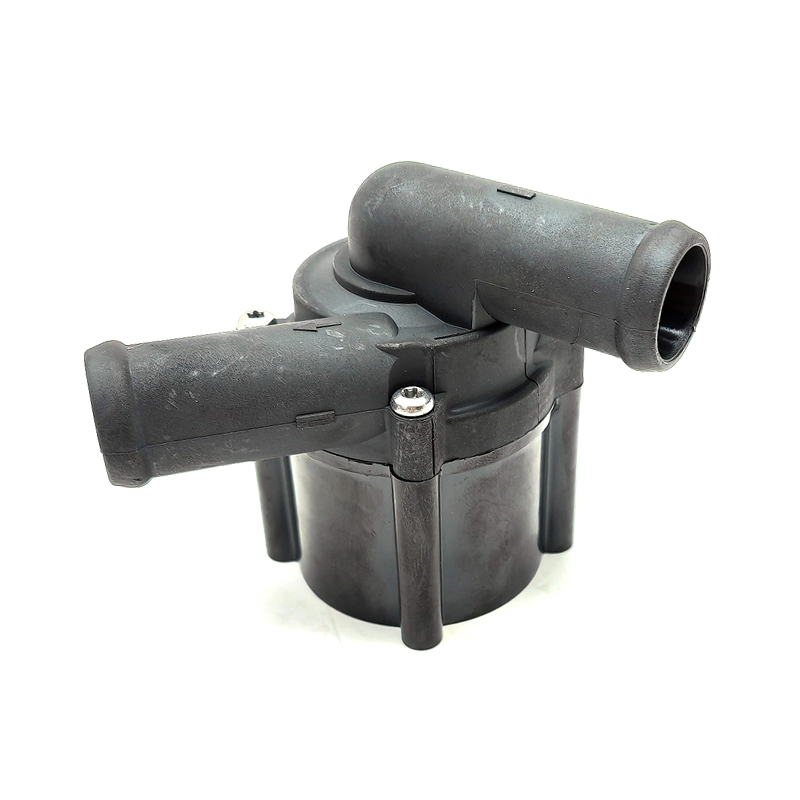
Noise from the automotive coolant pump or car engine water pump should never be ignored. Identifying the source—whether worn bearings, belt issues, or impeller damage—and taking timely corrective action is critical for engine health. Routine inspections, proper maintenance, and reliable components from Wenzhou Xinhao Auto Parts Co., Ltd. help ensure a quiet, efficient, and long-lasting cooling system.
1. Common Causes of Water Pump Noise
Water pump noise usually stems from mechanical issues within the pump or related components. Common causes include:
1.1 Worn Bearings
The pump’s bearings may wear out over time, producing a whining or grinding sound. This often occurs in high-mileage vehicles or pumps that have been exposed to heat and vibration for extended periods.
1.2 Loose or Misaligned Belt
If the water pump is belt-driven, a loose or misaligned belt can generate squealing or chirping noises. Regular inspection of belt tension and alignment can prevent this type of noise.
1.3 Damaged Impeller
A broken or cracked impeller inside the pump can cause vibration and unusual sounds. Impeller damage reduces coolant flow and can result in overheating if not addressed promptly.
1.4 Contaminated Coolant
Debris or corrosion in the cooling system can interfere with the pump’s operation, causing scraping or rattling noises. Maintaining clean coolant reduces stress on the pump components.
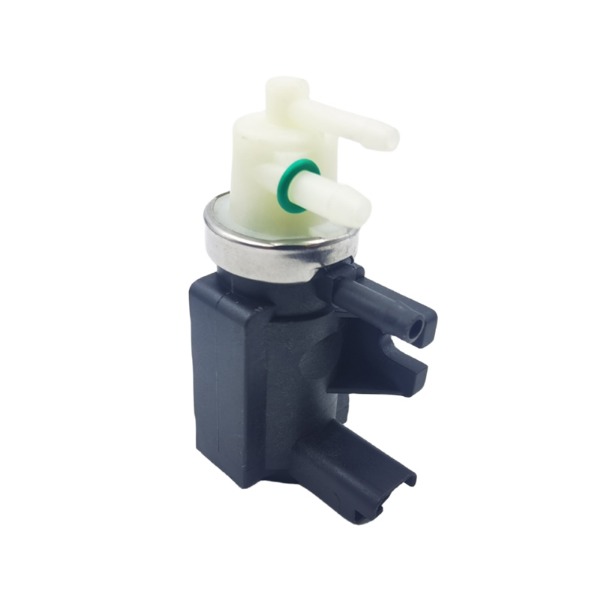
2. Diagnosing Water Pump Noise
Correctly diagnosing the source of water pump noise is critical before replacement or repair. Steps include:
Visual Inspection: Look for leaks, damaged hoses, or coolant residue around the pump.
Belt Check: Examine the tension and alignment of any belts driving the pump.
Listen Carefully: Identify whether the noise changes with engine speed or load.
Flow Test: Observe coolant circulation to ensure the pump is functioning efficiently.
Early diagnosis prevents escalation of minor issues into major engine damage.
3. Recommended Fixes for Water Pump Noise
Once the cause of the noise is identified, appropriate corrective measures can be taken:
3.1 Bearing Replacement or Pump Replacement
If bearings are worn, replacing them or installing a new water pump is necessary. Attempting to run a pump with failing bearings can result in complete mechanical failure.
3.2 Belt Adjustment
Tighten or replace loose or worn belts. Ensure proper pulley alignment to minimize vibration and noise.
3.3 Impeller Repair or Replacement
For a damaged impeller, replacement of the pump is often the safest solution. This restores proper coolant circulation and eliminates vibration.
3.4 Coolant System Maintenance
Flush and replace contaminated coolant, inspect hoses, and remove debris from the system. Clean, high-quality coolant supports quiet and efficient pump operation.
4. Preventive Measures to Reduce Water Pump Noise
Routine maintenance can prevent water pump noise and prolong the life of the cooling system:
Replace coolant according to manufacturer recommendations
Inspect belts, pulleys, and hoses regularly
Check for leaks or unusual vibrations during routine servicing
Choose high-quality replacement pumps to ensure consistent performance
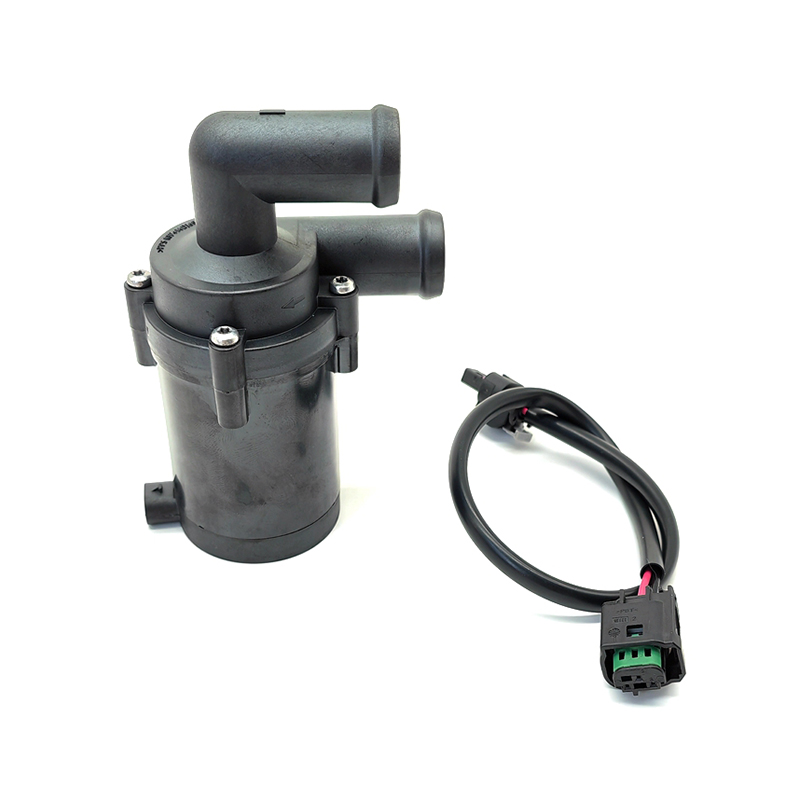
Wenzhou Xinhao Auto Parts Co., Ltd. provides automotive coolant pumps and car engine water pumps designed with durable bearings and precise impellers to reduce noise and enhance reliability.
5. Benefits of Addressing Water Pump Noise Early
Addressing water pump noise promptly offers multiple advantages:
Prevents engine overheating and potential damage
Reduces the likelihood of emergency breakdowns
Maintains stable coolant flow for efficient engine operation
Extends the life of other cooling system components such as hoses, radiators, and thermoreats
By tackling water pump issues early, vehicle owners save both time and repair costs.
 View More >>
 View More >>
 View More >>
 View More >>
 View More >>
 View More >>
 No. 58, Aimin Road, Tangxia Town, Ruian City, Wenzhou City, Zhejiang, China
 +86-577-66082028
 +86-18966257799
