


 English
 русский
 Español
It can be baffling and uncomfortable when your heating system delivers hot air one moment and cold air the next, especially in cold weather. This erratic behavior often leads drivers to question whether the auto heater control valve or car heater water valve might be misbehaving. These valves control how hot engine coolant flows into the heater core — the part responsible for warming air before it enters the cabin. When the control valve doesn’t regulate the coolant properly, your HVAC system may deliver fluctuating temperatures, leaving you shivering one minute and sweating the next. Many vehicle owners have shared similar experiences in discussions and online forums, describing unpredictable heating that only seems to stabilize at higher speeds or under particular conditions.
Understanding these irregular temperature swings can help you diagnose the issue effectively and determine if a faulty component like a heater control valve is at fault.
What Causes Erratic Heating Behavior?
A heater system that suddenly changes from hot to cold typically involves issues with coolant flow control. The valves in question — whether a control valve that responds to climate controls or a water valve that directly manages coolant flow — rely on mechanical or electronic operation to open and close properly. When they malfunction, these components can partially block the coolant or fail to stay in the position commanded by the HVAC system.
Here are a few common reasons for this:
- Valve Sticking or Partial Blockage: If the internal mechanism doesn’t move smoothly, hot coolant might only intermittently reach the heater core, causing uneven heating in the cabin.
- Vacuum or Actuator Problems: Older vehicles sometimes use vacuum-operated valves, which can fail due to leaks. Modern systems use electronic actuators that may not always respond correctly to control signals.
- Coolant Flow Disruption: Air pockets in the cooling system or partial clogs in the hoses feeding the heater valves can cause unstable temperatures.
In many driver discussions, people report that even after warming up the engine, the heater will toggle between warm and cold without any adjustment to the controls — a telltale sign of coolant flow regulation issues rather than thermoreat or blower problems.
How to Tell If It’s Your Heater Valve
So how can you differentiate a valve issue from other potential causes like a blocked heater core or faulty thermostat? Below are some practical indicators:
- Temperature Fluctuates Without Control Input: When your heater output changes without touching the temperature knob, the valve may be intermittently opening and closing due to internal wear or actuator problems.
- Hoses Show Uneven Heat: Touching the heater hoses (when the engine is warm and safe to access) can give clues — if one hose feels hot and the other warm or cold, coolant flow might be partially restricted.
- Noise Around Valve Area: Clicking, hissing, or gurgling noises near the control valve can hint at air in the system or valve actuation struggles.
- Inconsistent Heat Only at Certain Speeds: Some drivers only notice heat stabilization at highway speeds, suggesting improved coolant circulation temporarily overcomes a sticking valve.
These symptoms align with common maintenance insights shared by technicians and vehicle owners alike, reinforcing the importance of examining the heating system’s coolant pathways alongside electrical and actuator evaluations.
Steps to Diagnose Erratic Heating
If your vehicle is showing these hot/cold temperature swings, here’s a basic diagnostic approach you can follow before replacing parts:
- Check Coolant Level: Ensure the coolant reservoir is at the correct level. Inconsistent heating can sometimes be caused by low coolant or air pockets in the system.
- Inspect Hoses and Valve Movement: Look for visual signs of leaks, cracks, or worn connections around the heater valve area. Confirm if the actuator (manual, vacuum, or electronic) is engaging the valve properly.
- Monitor Temperature Control Response: With the engine at normal operating temperature and the heater set to warm, observe whether temperature adjustments correlate with heater output — if they don’t, valve responsiveness may be compromised.
- Bleed Air in Coolant System: Release any trapped air according to your vehicle’s procedure. This can improve consistent coolant delivery to both the heater core and valve.
Professional scanning tools can also detect HVAC fault codes tied to electronic valve control systems, making deeper diagnostics more precise.
When to Consider Replacement
If the symptoms persist despite basic checks, it may be time to replace the problematic valve. A valve that sticks, leaks, or responds unreliably to control inputs is unlikely to return to normal function without repair or replacement. Choosing quality components designed to match your vehicle’s requirements helps ensure steady heating performance and longer service life.
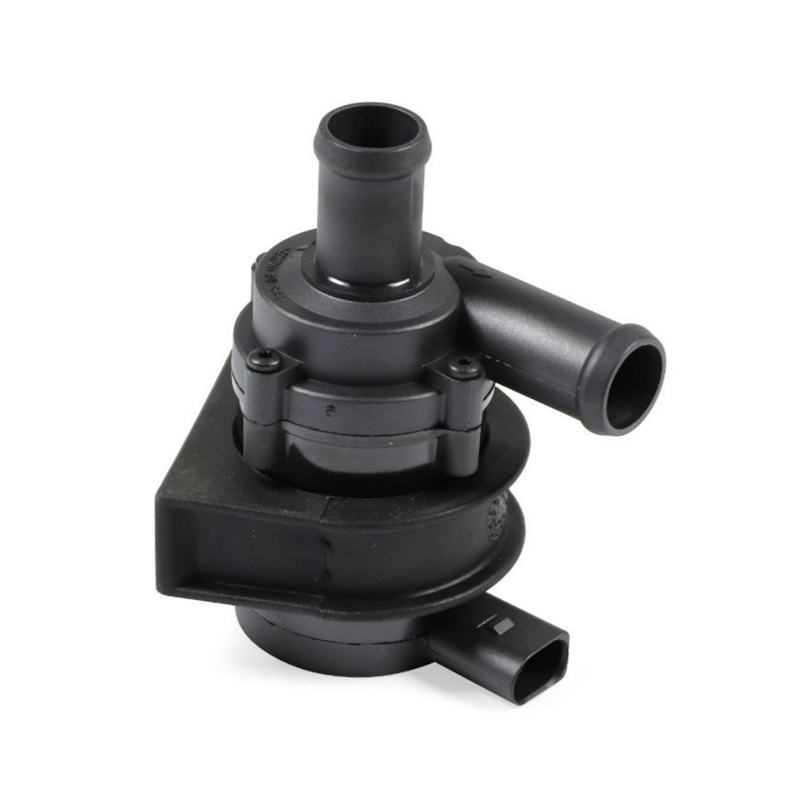
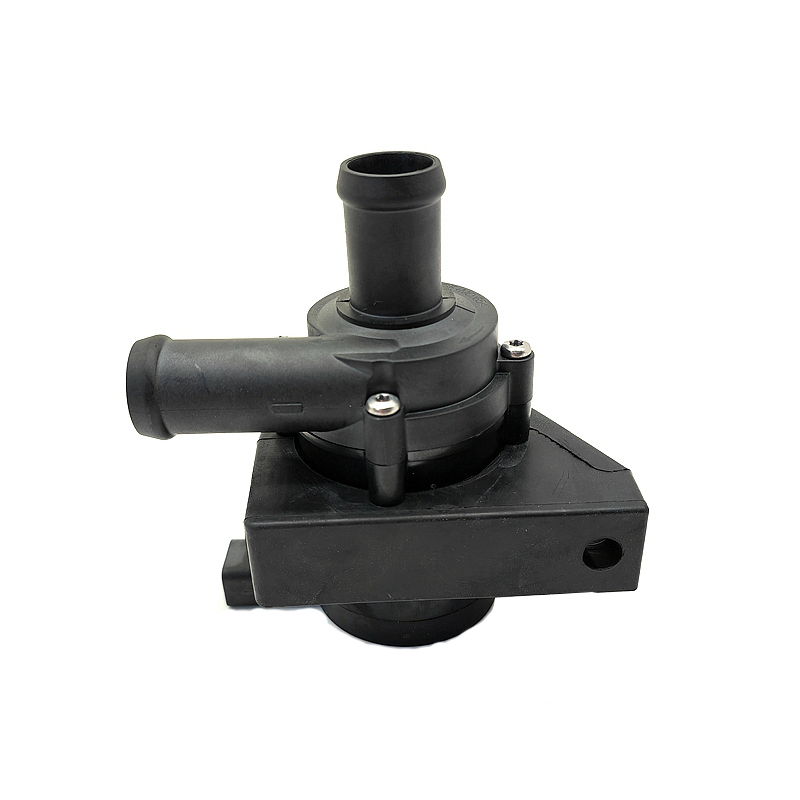
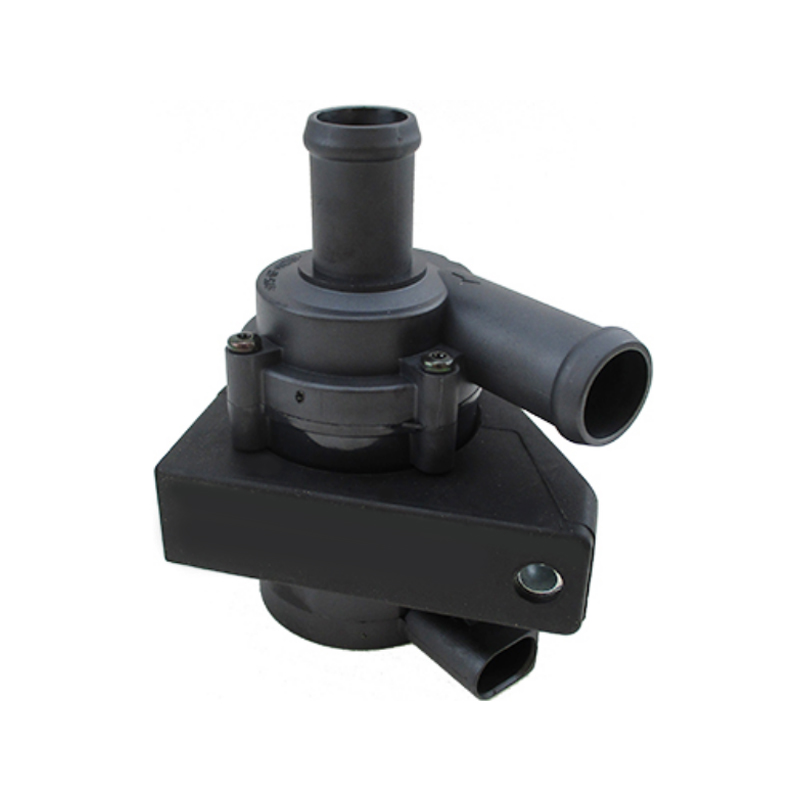
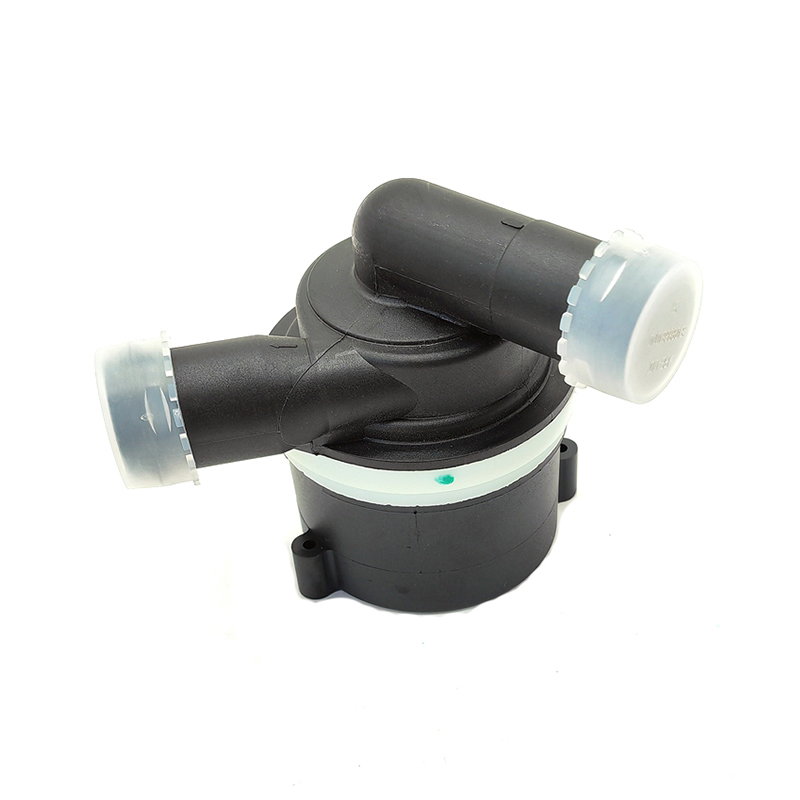
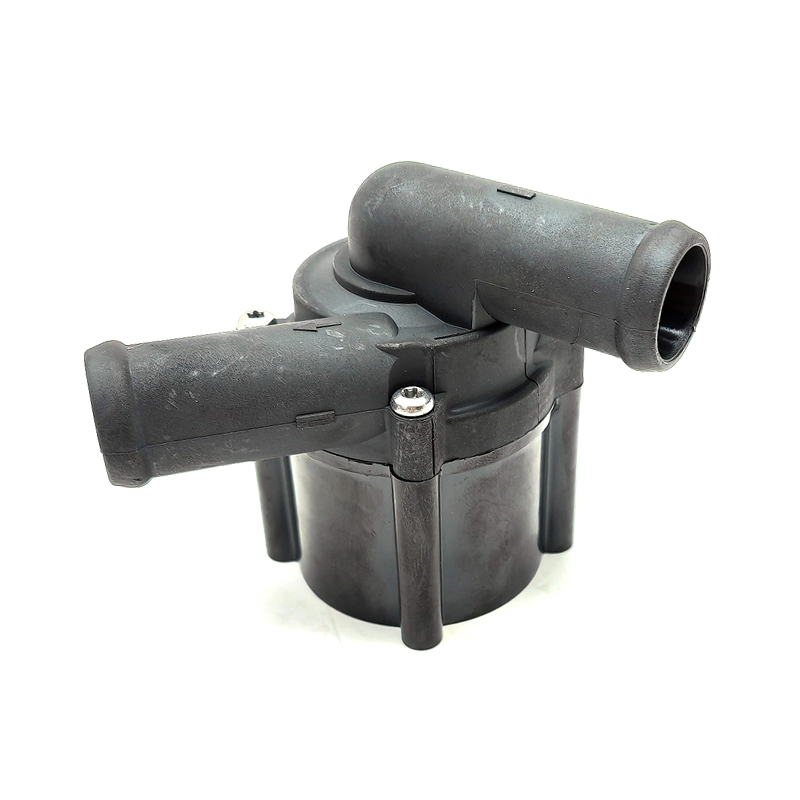
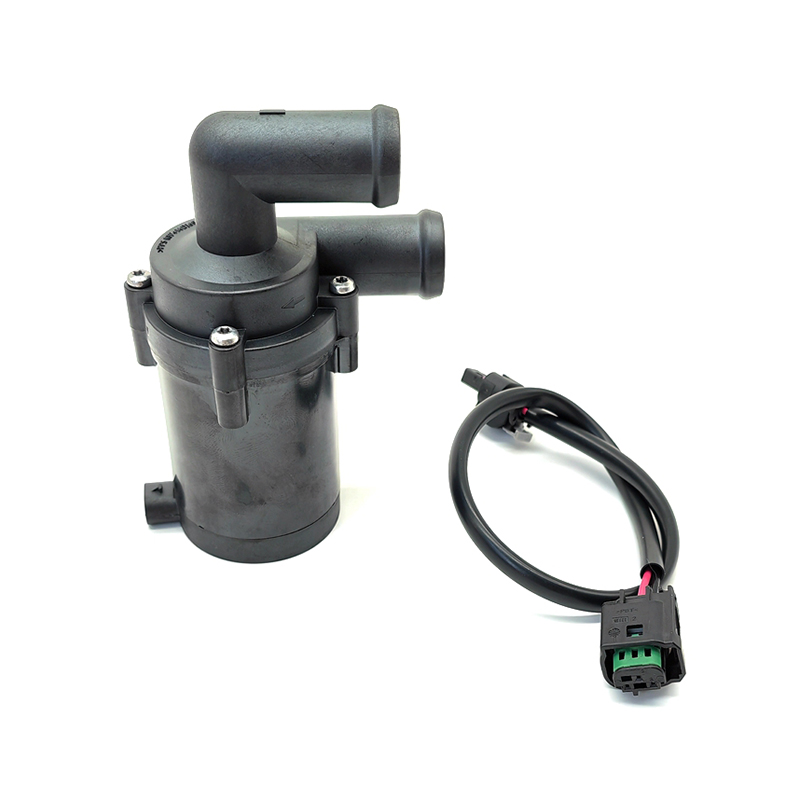
Wenzhou Xinhao Auto Parts Co., Ltd. offers reliable heater control and water valve replacements suitable for a range of applications, helping reduce irregular heating behavior and improve driver comfort.
Erratic heater behavior — where air goes from hot to cold suddenly — often points to coolant flow regulation problems involving the auto heater control valve or car heater water valve. These components are essential to maintaining steady cabin temperatures, especially in colder conditions. By identifying key symptoms such as uneven hose heat, inconsistent temperature response, and unusual noises, you can narrow down the issue and confirm whether a valve replacement or professional inspection is needed to restore reliable heating performance.


 View More >>
 View More >>
 View More >>
 View More >>
 View More >>
 View More >>
 No. 58, Aimin Road, Tangxia Town, Ruian City, Wenzhou City, Zhejiang, China
 +86-577-66082028
 +86-18966257799
