


 English
 русский
 Español
That amber glow on your dashboard appears without warning. You connect a scan tool, and the display shows a code related to the Turbocharger Solenoid Valve. Now the question presents itself: should you continue driving or park the vehicle immediately? This scenario unfolds countless times daily, with drivers searching urgently for guidance about whether their commute home or planned road trip requires cancellation. The answer depends on understanding exactly what function that Automobile Solenoid Valve performs within the turbocharger control system and what specific failure mode exists. Some situations permit careful continued operation while others demand immediate attention to prevent cascading damage.
Decoding the P0243 Code
The more common diagnostic trouble code associated with this component is P0243. indicating "Turbocharger/Supercharger Wastegate Solenoid A" malfunction. This code specifically points to an electrical issue within the solenoid circuit rather than a mechanical wastegate problem. The engine control module detects an open circuit, short circuit, or signal irregularity that prevents proper solenoid control.
Understanding this distinction matters for safety assessment. An electrical fault differs significantly from a mechanical failure in terms of immediate risk. Kelley Blue Book notes that the P0243 code alone typically produces minimal drivability concerns beyond an illuminated check engine light. However, they emphasize that leaving any code unaddressed can eventually create serious engine problems, particularly with components as critical as turbocharger controls.
Risk Assessment: Driving with a Faulty Turbocharger Solenoid
Scenario One: Underboost Conditions
When a failing solenoid prevents proper wastegate operation, the wastegate may remain partially or fully open. This configuration allows exhaust gases to bypass the turbine, resulting in underboost conditions. Drivers typically notice reduced power output, sluggish acceleration, and potentially illumination of the check engine light.
From a safety perspective, underboost represents the lower-risk failure mode. The vehicle remains driveable with reduced performance, similar to naturally aspirated operation. However, the engine control module may respond by activating limp mode, limiting RPM and road speed to protect the engine. While inconvenient, this protective measure actually indicates the system functioning as designed to prevent further issues.
Scenario Two: Overboost Risk
The more concerning failure involves the solenoid sticking in a position that prevents wastegate opening. Without proper wastegate function, exhaust pressure continues driving the turbine beyond designed limits. Overboost conditions can exceed the engine's mechanical capacity to handle cylinder pressures, potentially causing detonation, piston damage, or catastrophic engine failure.
This situation demands immediate attention. Drivers experiencing surging power, unexpected acceleration, or boost pressure readings significantly above specification should reduce throttle immediately and cease driving until the system receives proper diagnosis.
Scenario Three: Intermittent Operation
Some solenoid failures produce inconsistent behavior, with the component functioning sporadically. This unpredictability creates safety concerns because boost management becomes unreliable. The vehicle may operate normally during gentle acceleration but lose power or surge unexpectedly when passing or climbing hills. The Ross-Tech wiki documents that this can cause engine misfiring, rough running, and unpredictable power delivery.
Symptoms Requiring Immediate Action
Several warning signs indicate your Turbocharger Solenoid Valve has progressed beyond the safe-operation category. The appearance of any black smoke from exhaust indicates rich fuel mixture caused by incorrect boost pressure readings, potentially damaging the catalytic converter over time. Hesitation during acceleration, particularly when merging onto highways, creates safety hazards that justify immediate service.
Vehicle shutdown into permanent limp mode, where RPM remains restricted regardless of throttle input, signals that the engine control module detected conditions severe enough to override driver commands. This protective response confirms the system recognized an unsafe operating condition.
Official Safety Recalls Highlight Seriousness
Government recall databases contain entries specifically addressing solenoid failures that create safety risks. A notable recall involving Renault vehicles from 2018-2019 cited oil pressure solenoid valve wiring manufactured outside specifications, potentially causing complete engine failure. The official recall notice warned that engine failure could cause heavier steering, loss of auxiliaries, and substantially increased braking effort requirements.
These documented hazards confirm that solenoid failures extend beyond mere performance complaints to legitimate safety concerns affecting vehicle control. When manufacturers issue recalls addressing solenoid wiring defects, they validate that these components directly impact safe vehicle operation.
Factors Influencing Safety Assessment
Vehicle Age and Condition
Newer vehicles with more sophisticated engine management systems typically provide better protection against solenoid failures through redundant sensors and failsafe programming. Older vehicles may lack these protective features, making continued operation riskier.
Driving Conditions
Highway driving at sustained speeds differs significantly from local street operation. A vehicle experiencing intermittent boost control on a congested highway presents greater danger than the same condition on surface streets where lower speeds reduce consequences of sudden power loss.
Ambient Temperatures
Technical literature notes that high ambient temperatures can cause intermittent solenoid malfunctions. Vehicles operating in desert conditions or during summer months may experience failures that would not appear in moderate weather, complicating safety assessment.
Professional Diagnosis Before Continued Driving
Before deciding whether continued driving is acceptable, professional diagnosis should establish the exact failure mode. The iCarsoft diagnostic guide recommends using a capable scan tool to retrieve the P0243 code and examine freeze frame data showing conditions when the fault triggered. This information helps determine whether the failure occurred during normal cruising or under heavy load.
Testing solenoid resistance with a multimeter provides additional data. more turbocharger control solenoids should measure between 10 and 30 ohms at room temperature. Readings outside this range confirm internal winding damage requiring replacement.
Connector inspection often reveals corrosion or damaged pins creating intermittent connections. These conditions may permit continued driving after cleaning, though replacement remains the proper long-term solution.
Wenzhou Xinhao's Engineering Perspective
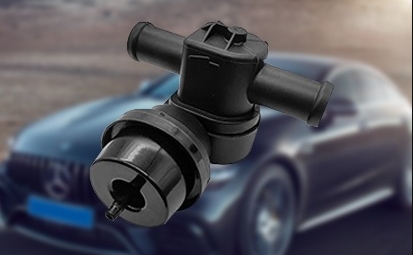
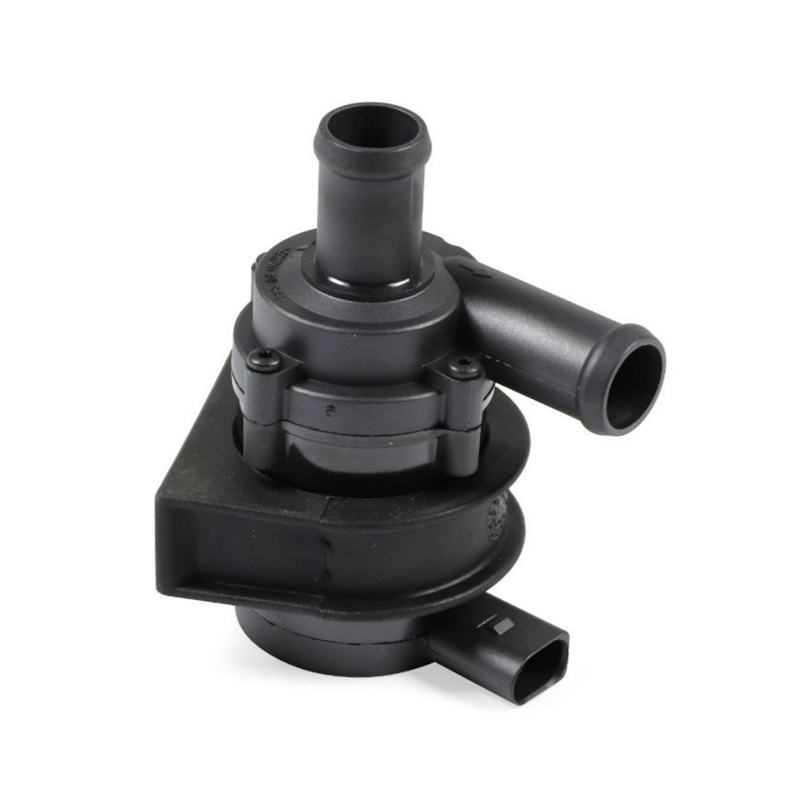
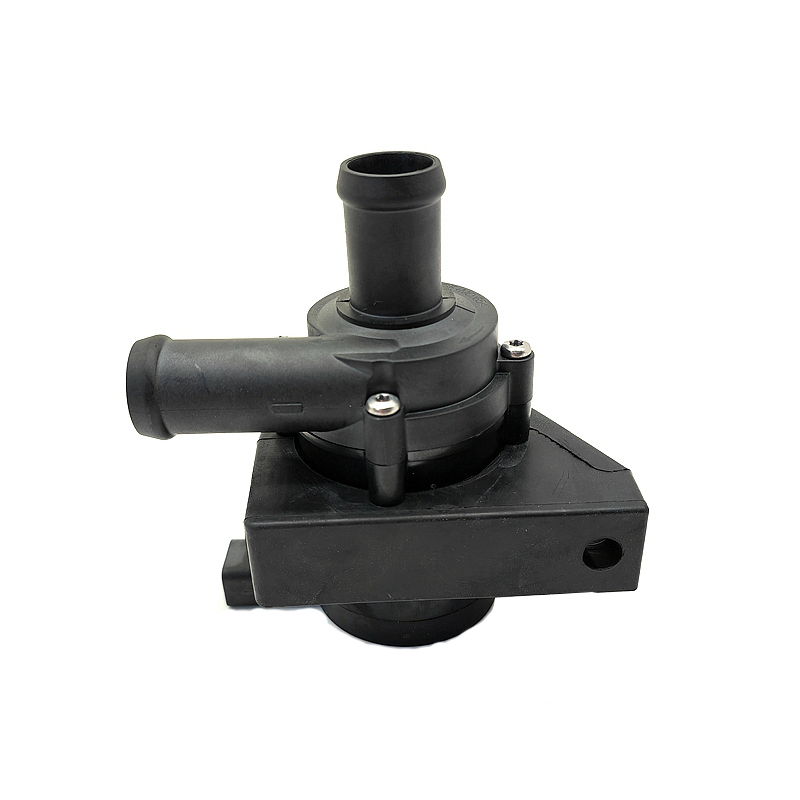
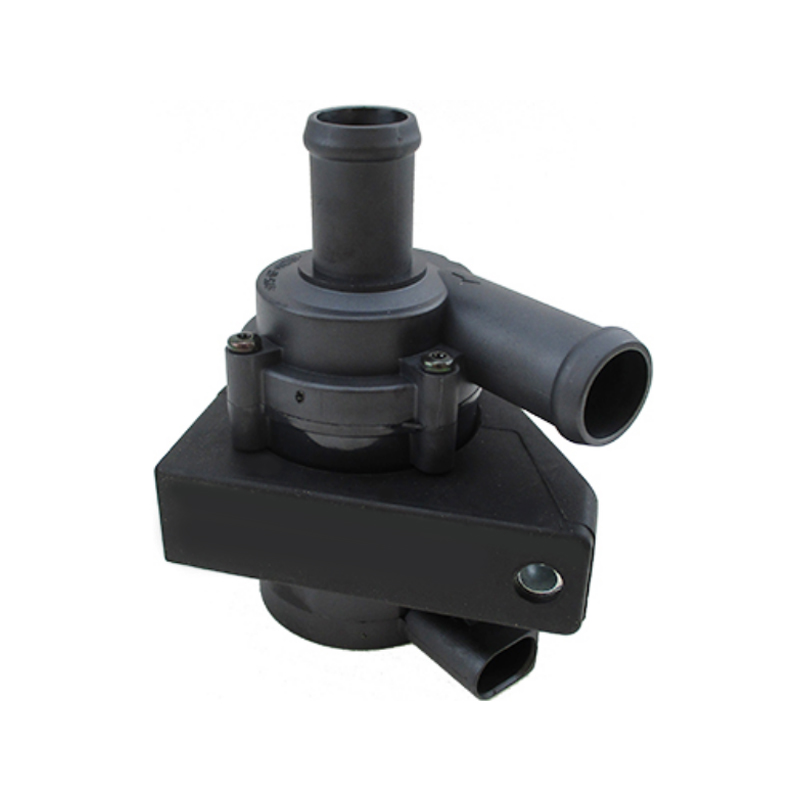
Engineers at Wenzhou Xinhao Auto Parts Co., Ltd. design Automobile Solenoid Valve products with safety margins that accommodate normal driving demands. The electromagnetic coils receive precision winding to ensure consistent resistance values across temperature ranges, while sealing systems prevent moisture ingress that causes intermittent electrical failures. These engineering choices directly address the connector corrosion and internal damage that generate safety concerns in inferior components.

 View More >>
 View More >>
 View More >>
 View More >>
 View More >>
 View More >>
 No. 58, Aimin Road, Tangxia Town, Ruian City, Wenzhou City, Zhejiang, China
 +86-577-66082028
 +86-18966257799
