


 English
 русский
 Español
A vehicle that jerks violently when shifting gears creates an unsettling driving experience. Drivers frequently describe this sensation as being "kicked from behind" or feeling like the transmission is "slamming" into gear. These harsh shifts, whether occurring during garage engagement from Park to Drive or while underway between gears, consistently raise one urgent question: is the transmission failing entirely, or can a specific component be blamed? Technical service bulletins from multiple manufacturers point directly to solenoid-related issues as primary suspects. Understanding how a malfunctioning Automobile Solenoid Valve disrupts hydraulic pressure regulation explains why these jarring sensations occur and why the Turbocharger Solenoid Valve in related systems can produce similar symptoms under different conditions.
The Hydraulic Brain of Automatic Transmissions
Modern automatic transmissions rely on precisely controlled hydraulic pressure to engage clutches and bands at exactly the right moment. Solenoid valves serve as the interface between the transmission control module's electrical commands and the hydraulic circuits that physically move components. When the computer decides it is time to shift, it sends electrical signals to specific solenoids, which open or close to route pressurized fluid to the appropriate clutch packs.
The shift feel depends entirely on this hydraulic pressure being applied at the correct rate. Too much pressure too quickly produces the harsh, jarring shift that concerns drivers. Too little pressure causes slipping, flaring, or delayed engagement that eventually damages friction materials.
Specific Solenoid-Related Causes of Harsh Shifts
Pressure Control Solenoid Malfunctions
The pressure control solenoid, often called the line pressure solenoid, acts as the system's main regulator. This solenoid receives varying current from the transmission control module, allowing it to modulate system pressure continuously based on load, throttle position, and driving conditions.
When this solenoid fails electrically, distinct problems emerge. A short circuit to ground or an open circuit causes system pressure to rise to maximum levels. Drivers experience extremely harsh shifts because clutches apply with full force rather than graduated pressure. Conversely, a short circuit to battery voltage drops system pressure too low, causing clutch slippage and eventual burning of friction materials.
Users reporting harsh shift complaints often discover through diagnostic trouble codes that their pressure control solenoid circuit has failed. The vehicle's computer detects these electrical faults and illuminates the check engine light, but the mechanical symptoms appear long before the warning lamp activates.
Shift Solenoid Sticking Issues
Individual shift solenoids controlling specific gear changes can stick in either the open or closed position. A stuck solenoid may fail to route fluid properly, causing one clutch to remain applied while another tries to engage. This conflicting application creates the binding sensation drivers describe during 1-2 upshifts.
Technical documentation from transmission specialists confirms that shift solenoid problems frequently produce binding or harsh shift complaints. The condition becomes particularly noticeable during the 1-2 shift, where too many clutches attempt to apply simultaneously, creating mechanical interference that feels like the transmission is fighting itself.
Solenoid Screen Contamination Problems
Manufacturer service information reveals that solenoid valve screens can rupture or become blocked by debris. When a solenoid screen ruptures, the valve may over-travel, contacting internal components and altering its flow characteristics. This physical damage prevents proper pressure regulation, causing the harsh garage shifts documented in recent technical bulletins.
Diagnostic Procedures for Harsh Shift Complaints
Electrical System Evaluation
Before condemning any solenoid, technicians should perform systematic electrical testing. Resistance measurements provide the primary indication of solenoid health. Shift solenoids typically measure between 10 and 20 ohms when tested at room temperature. Pressure control solenoids, designed for variable current operation, measure considerably lower at 2 to 6 ohms.
Resistance readings outside these ranges confirm internal winding damage. Open circuits produce infinite resistance, while shorted windings measure near zero ohms. Both conditions prevent proper solenoid operation and require replacement.
Connector and Wiring Inspection
Many intermittent harsh shift complaints trace back to connector problems rather than solenoid failure. Corrosion, bent pins, or poor terminal retention create resistance in the circuit that alters solenoid response. The transmission control module may interpret this added resistance incorrectly, commanding pressure changes that never occur as intended.
Professional diagnostic procedures include wiggling wiring harnesses while monitoring solenoid response. This technique often reveals intermittent connections that escape static testing.
Hydraulic System Verification
Solenoids cannot function correctly without proper fluid supply and pressure. Low fluid level, contaminated fluid, or worn pump components mimic solenoid failure symptoms. Transmission fluid that appears dark or smells burnt indicates internal wear that may have damaged solenoids through contamination.
Manufacturer bulletins emphasize verifying fluid condition before replacing electrical components. Clean fluid with minimal debris suggests the solenoid itself failed. Fluid containing clutch material indicates broader transmission damage requiring complete overhaul.
The Turbocharger Connection
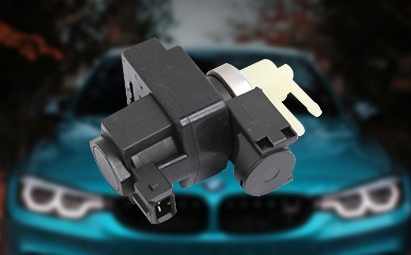
Drivers of turbocharged vehicles experiencing harsh engagement may find their Turbocharger Solenoid Valve contributing to the complaint indirectly. Turbocharger control solenoids manage boost pressure, which directly affects engine torque output during shifts. A malfunctioning boost control solenoid can cause sudden torque increases exactly when the transmission attempts to shift, exaggerating normal shift feel into something harsh and uncomfortable.
The engine control module coordinates both systems, reducing engine torque momentarily during shifts to protect the transmission. When turbocharger control issues disrupt this coordination, shifts feel abrupt even with perfectly functioning transmission solenoids.
Repair Approaches That Address Root Causes
Solenoid Replacement Considerations
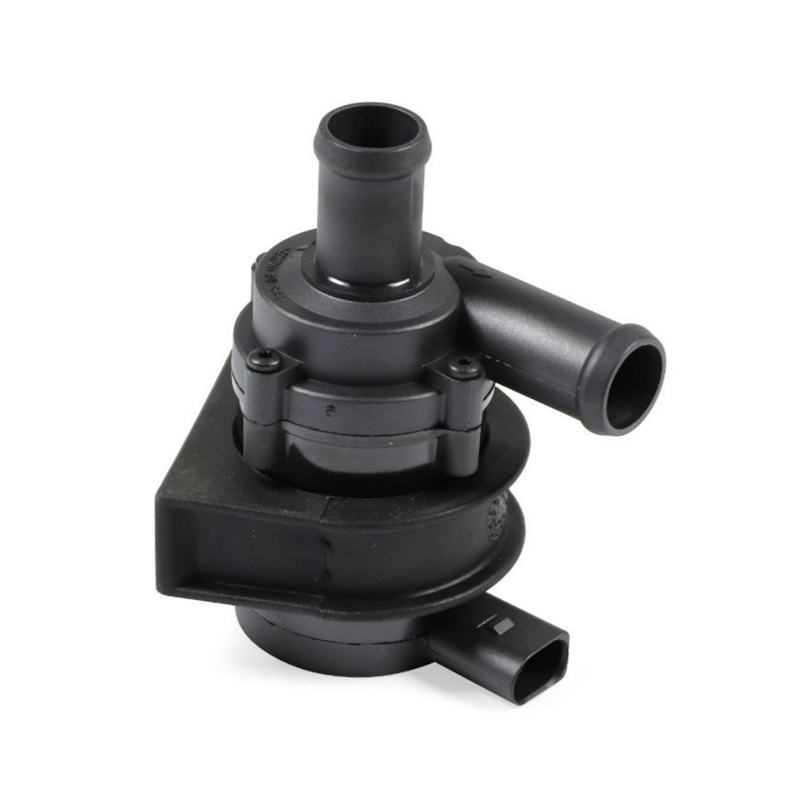
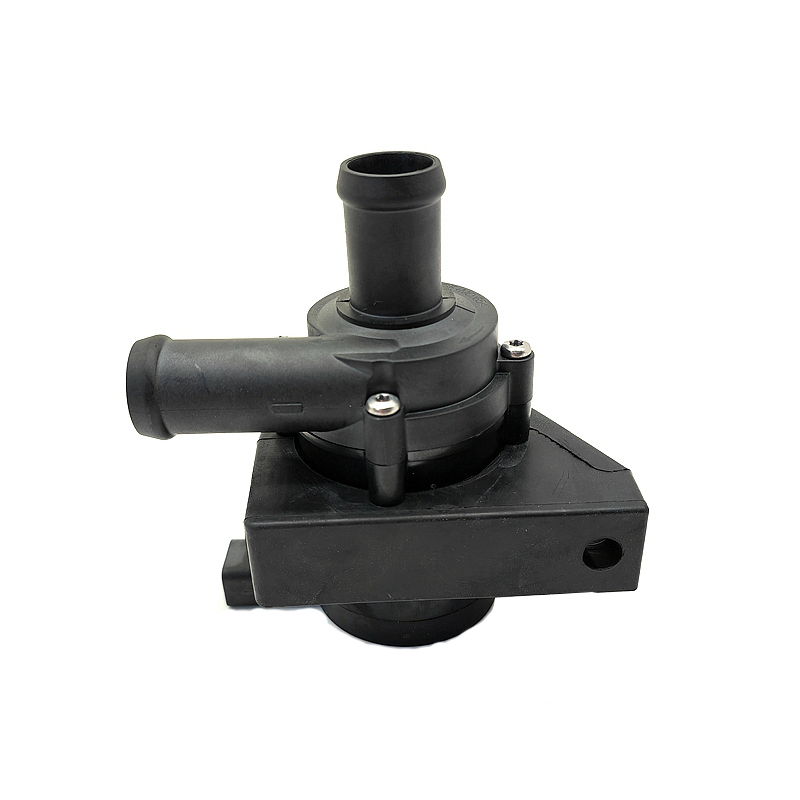
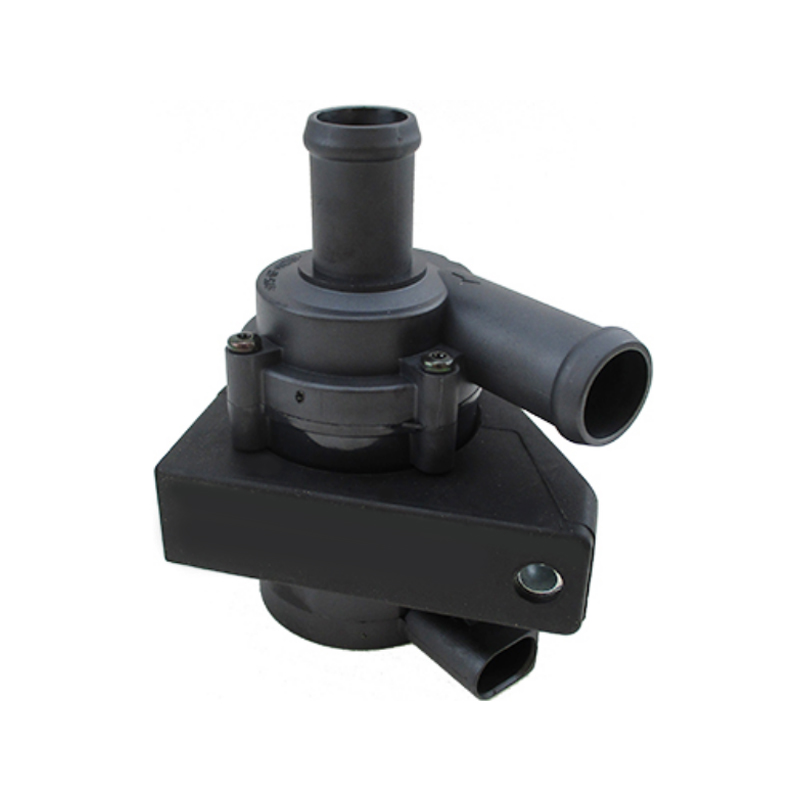
When diagnostic testing confirms solenoid failure, replacement with quality components ensures lasting repair. Wenzhou Xinhao Auto Parts Co., Ltd. manufactures Automobile Solenoid Valve assemblies engineered to match original equipment specifications. Precision-wound coils provide consistent resistance values, while robust sealing prevents fluid ingress that causes premature failure.
Installation requires attention to detail. Solenoids must seat properly in the valve body, with all O-rings lubricated during assembly to prevent cutting. Electrical connectors require dielectric grease to inhibit corrosion, and all fasteners need tightening to specified torque values.
Valve Body Evaluation
Solenoids mount within the valve body, a complex aluminum casting containing numerous spool valves, springs, and passages. When solenoids fail, debris may have traveled through the valve body, causing secondary damage. Sticking spool valves produce symptoms identical to solenoid failure.
Technicians confronting harsh shift complaints should consider valve body condition alongside solenoid testing. Worn bores or stuck valves require valve body reconditioning or replacement to restore proper shift quality.
System Adaptation Reset
Modern transmissions learn driving patterns and adjust shift feel through adaptive strategies. When solenoids are replaced, these learned adaptations no longer match the hardware's actual characteristics. Failing to reset adaptations results in continued poor shift quality even with new components.
Professional scan tools provide adaptation reset functions. Following replacement, technicians should perform the reset procedure and complete a road test under varying loads, allowing the transmission to relearn shift points with the new solenoids installed.
Preventive Measures for Lasting Repairs
Fluid Maintenance
Clean transmission fluid prevents the contamination that damages solenoids. Manufacturers specify fluid change intervals that, when followed, remove abrasive particles before they can clog solenoid screens or wear internal components. Vehicles used for towing or severe service require more frequent fluid changes than passenger cars driven under mild conditions.
Addressing Underlying Issues
Harsh shifts rarely result from isolated solenoid failure alone. A comprehensive approach examines the entire system: fluid condition, electrical integrity, valve body function, and related engine controls. Wenzhou Xinhao Auto Parts Co., Ltd. supports technicians with quality components and technical resources designed for complete transmission repairs rather than temporary symptom masking.
The question "Can a faulty Automobile Solenoid Valve cause harsh shifts?" receives a definitive yes from engineering principles and manufacturer service documentation. Pressure control solenoids, shift solenoids, and even related turbocharger control solenoids all influence shift quality through their effects on hydraulic pressure and engine torque. Proper diagnosis distinguishes solenoid failure from wiring problems, valve body issues, or broader transmission damage. With quality replacement components from manufacturers like Wenzhou Xinhao Auto Parts Co., Ltd. and attention to complete system condition, harsh shift complaints can be resolved permanently, restoring the smooth, confident operation drivers expect from their vehicles.

 View More >>
 View More >>
 View More >>
 View More >>
 View More >>
 View More >>
 No. 58, Aimin Road, Tangxia Town, Ruian City, Wenzhou City, Zhejiang, China
 +86-577-66082028
 +86-18966257799
