


 English
 русский
 Español
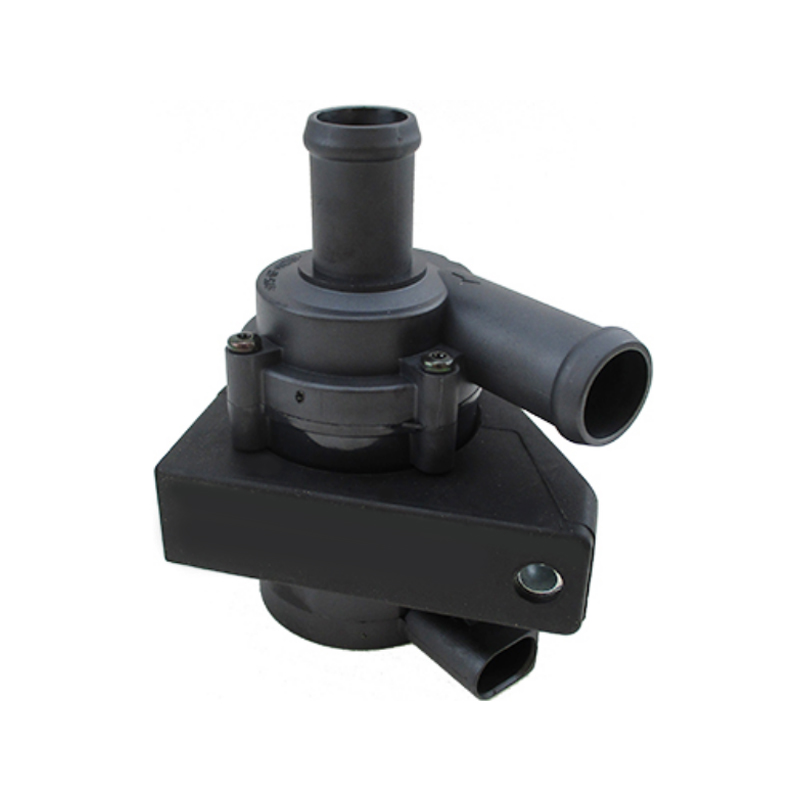
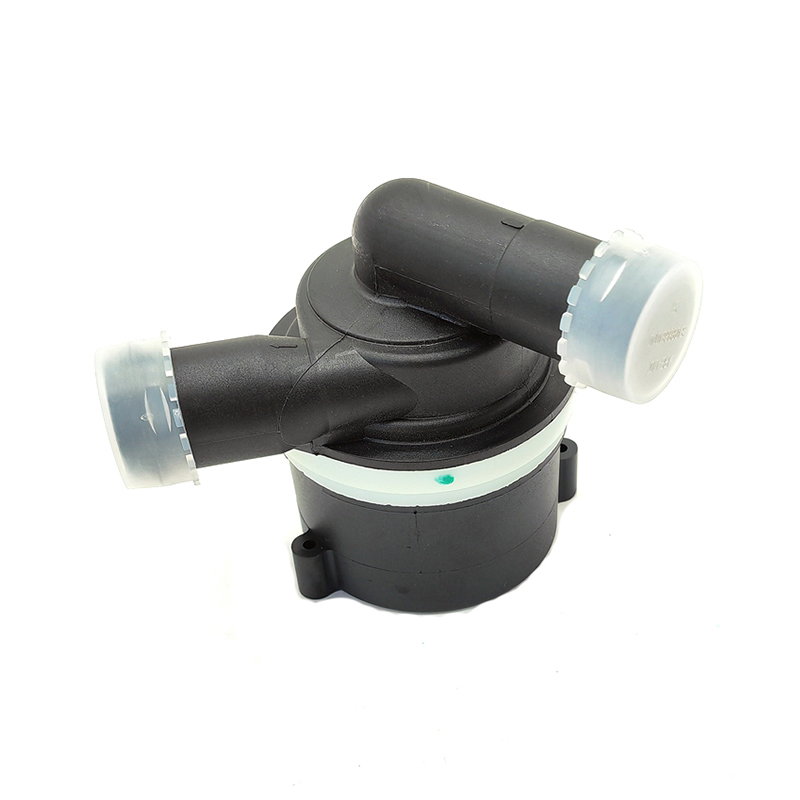
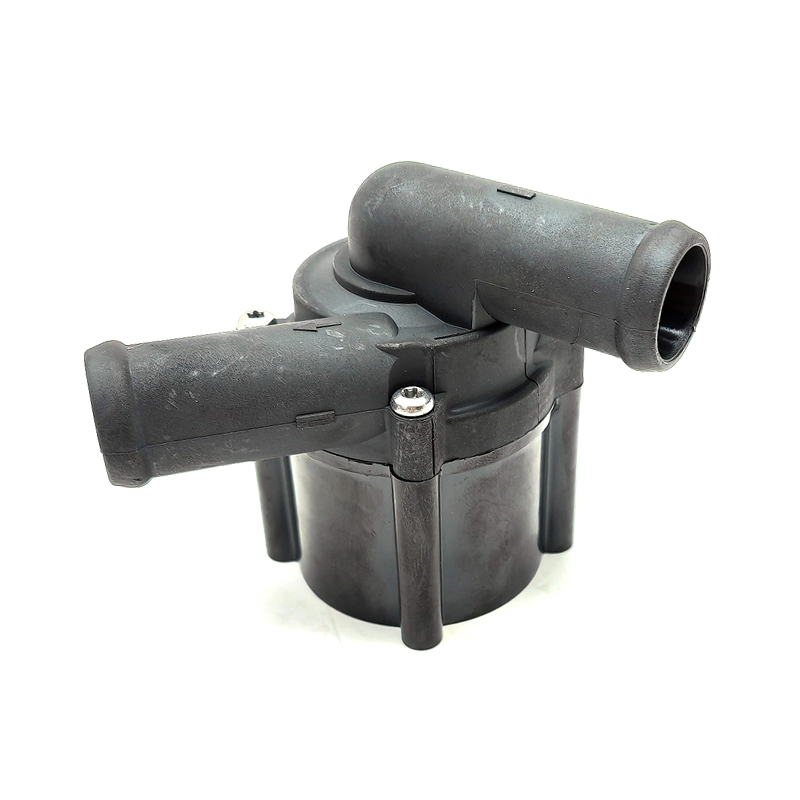
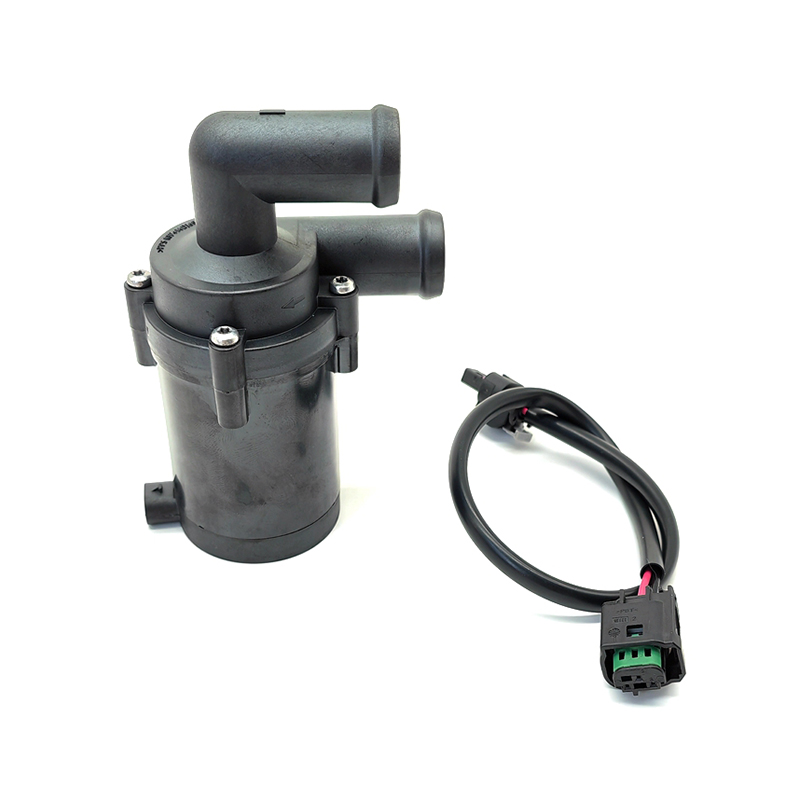
Identifying the signs of a failing coolant pump or car engine water pump is vital for avoiding engine damage and costly repairs. Common indicators such as leaks, unusual noises, overheating, or reduced coolant flow should prompt immediate inspection. Recognizing the early signs of a failing water pump helps prevent serious engine damage and improves maintenance planning. Using reliable components from established manufacturers like Wenzhou Xinhao Auto Parts Co., Ltd. ensures that the cooling system functions effectively and supports long-term engine reliability.
1. Coolant Leaks Around the Pump Area
One of the more common indicators of a failing coolant pump is a visible leak. The pump’s seals and gaskets may wear over time, allowing coolant to seep from the housing.
Signs include:
Puddles or wet spots under the vehicle near the front
Coolant residue on hoses or the engine block
A sweet or chemical smell coming from the engine bay
Early detection of leaks allows timely replacement, preventing engine overheating or corrosion.
2. Engine Overheating or Temperature Fluctuations
When the water pump cannot circulate coolant properly, the engine temperature may rise or fluctuate. Drivers might notice:
The temperature gauge rising above normal during traffic congestion or extended idling
Sudden spikes in engine temperature on highways
Reduced air conditioning performance due to inefficient heat exchange
Persistent temperature issues suggest the pump impeller or bearings are failing and need inspection.
3. Unusual Noise from the Pump Area
A failing water pump often produces distinctive noises due to worn bearings or impeller issues:
Whining, grinding, or squealing sounds while the engine runs
Noise that changes with engine speed
Rattling from the front of the engine
Ignoring these sounds can result in complete pump failure and sudden engine overheating.
4. Steam or Visible Vapor from the Engine Bay
A water pump that cannot move coolant efficiently may cause the engine to overheat, producing steam or vapor. This is often accompanied by a warning on the dashboard. Immediate attention is required, as continued driving can severely damage the cylinder head, gasket, or engine block.
5. Reduced Coolant Flow
A failing water pump may result in insufficient coolant flow through the radiator and engine block. Signs of reduced flow include:
Coolant not circulating when the heater is on
Radiator hoses that remain cool even after long engine operation
Slow warm-up or uneven temperature distribution in the engine
Checking for proper coolant flow can help detect early water pump issues before leaks or overheating occur.
6. Impact of Pump Failure on Engine Components
A malfunctioning water pump can have wider implications:
Increased stress on the thermoreat and radiator
Potential corrosion of cooling system components due to stagnant coolant
Overheating that can damage the cylinder head or engine block
Regular inspections and timely replacement of the pump are critical to maintain overall engine health.
7. Maintenance Tips to Avoid Pump Failure
Drivers can extend the life of a water pump and ensure reliable operation with proper maintenance:
Replace coolant according to manufacturer recommendations
Inspect belts and pulleys driving the pump for wear
Monitor temperature gauge and warning lights
Check for leaks and unusual noises during routine service
Use high-quality replacement pumps when necessary
Wenzhou Xinhao Auto Parts Co., Ltd. produces durable cooling system components designed to meet these reliability requirements, helping workshops and vehicle owners maintain stable engine performance.

 View More >>
 View More >>
 View More >>
 View More >>
 View More >>
 View More >>
 No. 58, Aimin Road, Tangxia Town, Ruian City, Wenzhou City, Zhejiang, China
 +86-577-66082028
 +86-18966257799
