


 English
 русский
 Español
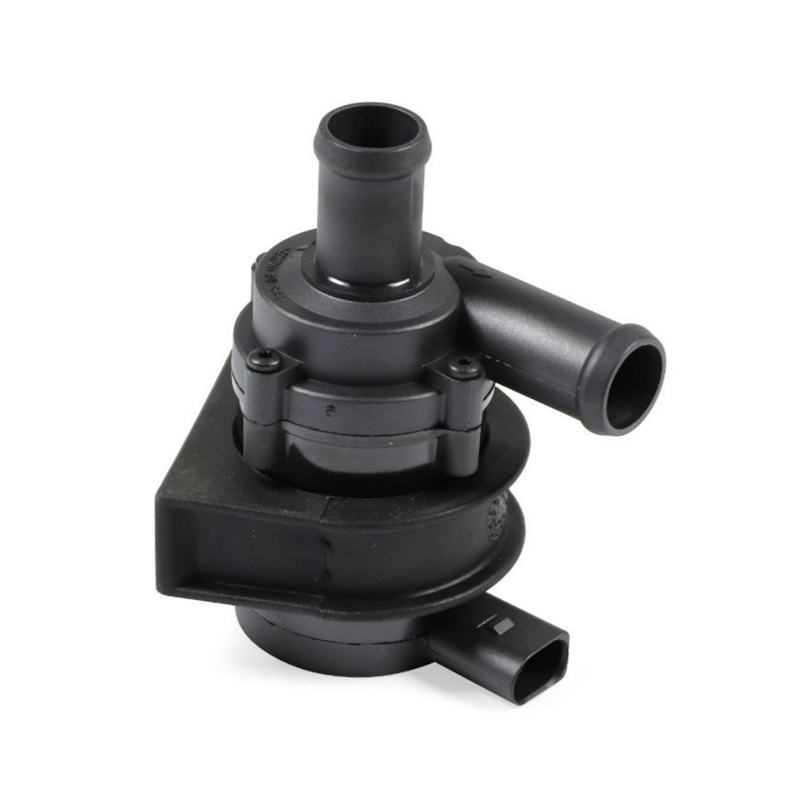
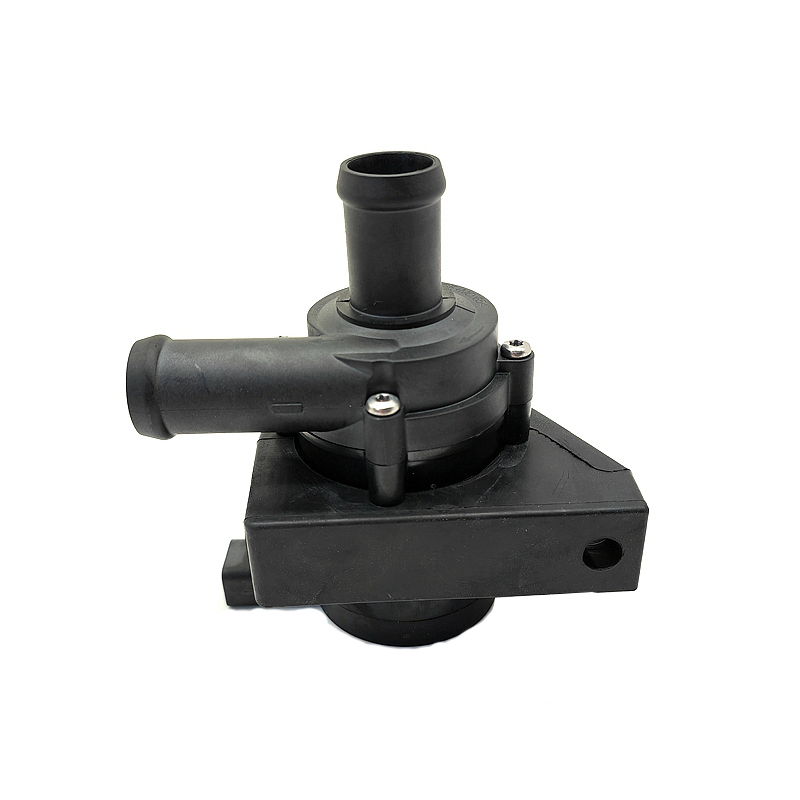
A small leak in the automotive coolant pump or car engine water pump can go unnoticed initially but may result in significant engine problems if ignored. Many vehicle owners only realize there is an issue when the engine overheats or coolant levels drop drastically. By learning how to identify leaks early, drivers can take preventive measures to protect their engine and ensure consistent performance.
1. Understanding the Source of Water Pump Leaks
Water pump leaks usually originate from worn seals, gaskets, or damaged housings. Over time, continuous exposure to hot coolant and engine vibrations can cause these components to degrade. Early detection involves carefully inspecting the engine bay and surrounding components for signs of coolant escaping from the pump.
2. Visual Inspection Techniques
Visual checks are the simplest way to identify a water pump leak:
Look for wet spots, crusty residue, or coolant buildup around the pump area.
Inspect hoses connected to the pump for cracks, bulges, or dampness.
Check the radiator and thermoreat connections for any signs of seepage.
3. Monitoring Coolant Levels and Engine Performance
Low coolant levels are a common symptom of a leaking pump. Vehicle owners should:
Regularly check the coolant reservoir for unusual drops in fluid level.
Observe engine temperature for unexpected rises during idling or city driving.
Listen for changes in heater performance, which can indicate insufficient coolant circulation.
Drops in coolant levels paired with temperature fluctuations are strong indicators of water pump issues.
4. Listening for Unusual Noises
Sometimes leaks are accompanied by mechanical wear in the pump. Drivers should be attentive to:
Whining, grinding, or gurgling sounds from the front of the engine.
Noise that changes with engine RPM or engine load.
Vibrations or slight rattling near the water pump housing.
These noises often point to failing bearings or a misaligned pump impeller, which can worsen leaks if not addressed.
5. Using Dye or Pressure Testing
For a more technical approach, mechanics can:
Introduce UV dye into the coolant system and inspect with a blacklight to locate leaks.
Use a cooling system pressure tester to simulate operating conditions and identify weak points.
Examine pump gaskets, seals, and hoses during testing for early signs of seepage.
These methods allow precise detection before visible damage occurs.
6. Routine Maintenance to Prevent Leaks
Preventive care can significantly reduce the chance of water pump leaks:
Replace coolant at recommended intervals to prevent corrosion.
Inspect belts and pulleys driving the pump to ensure proper alignment.
Periodically examine all coolant hoses and connections.
Use high-quality replacement pumps when maintenance is needed.
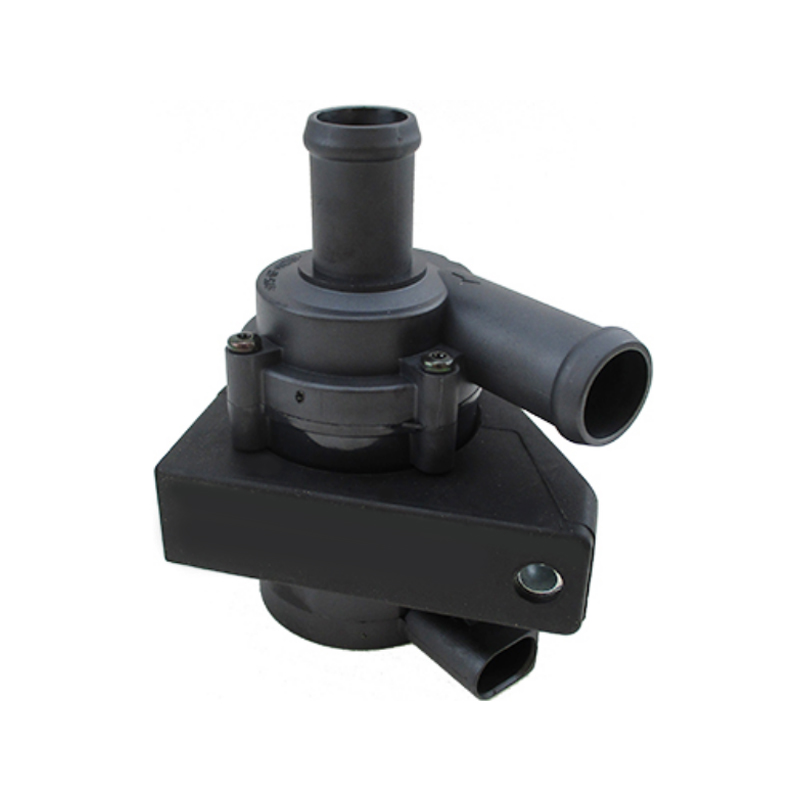
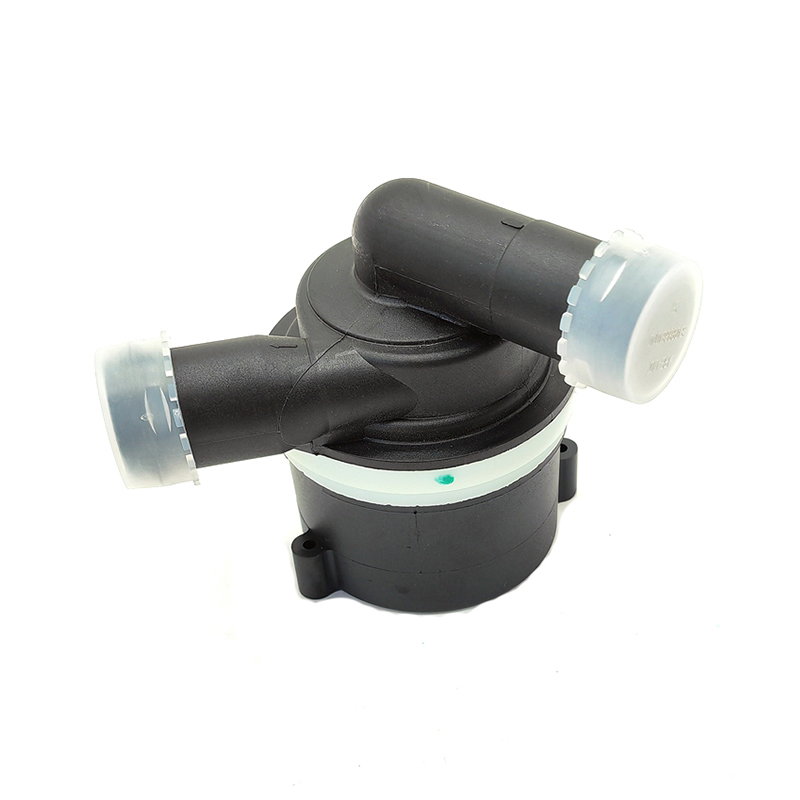
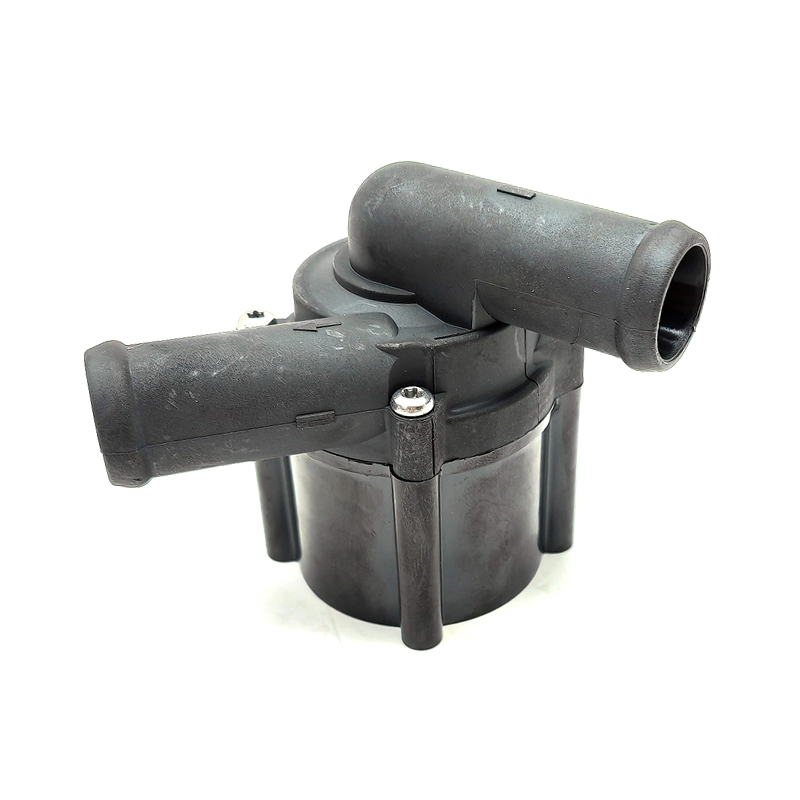
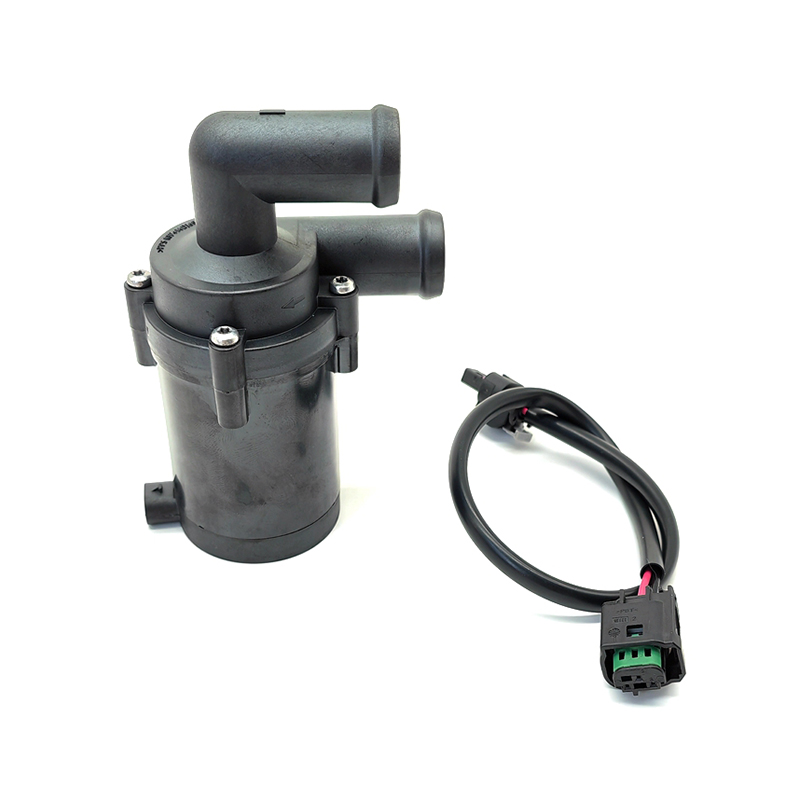
Wenzhou Xinhao Auto Parts Co., Ltd. manufactures automotive coolant pumps and water pumps with reliable seals and durable materials, minimizing leak risk and supporting longer service life.
7. Recognizing the Benefits of Early Detection
Early leak detection helps drivers avoid major engine problems:
Prevents engine overheating and damage to gaskets and cylinder heads.
Reduces repair costs by addressing issues before severe damage occurs.
Ensures stable coolant flow and engine efficiency.
Extends the lifespan of related components such as hoses, radiators, and thermoreat valves.
Proactive inspection and maintenance can save time, money, and potential engine replacement.
Identifying leaks in the water pump early is critical to maintaining a healthy cooling system. Using reliable components from Wenzhou Xinhao Auto Parts Co., Ltd. ensures that automotive coolant pumps and car engine water pumps perform consistently and support long-term engine reliability.

 View More >>
 View More >>
 View More >>
 View More >>
 View More >>
 View More >>
 No. 58, Aimin Road, Tangxia Town, Ruian City, Wenzhou City, Zhejiang, China
 +86-577-66082028
 +86-18966257799
