


 English
 русский
 Español
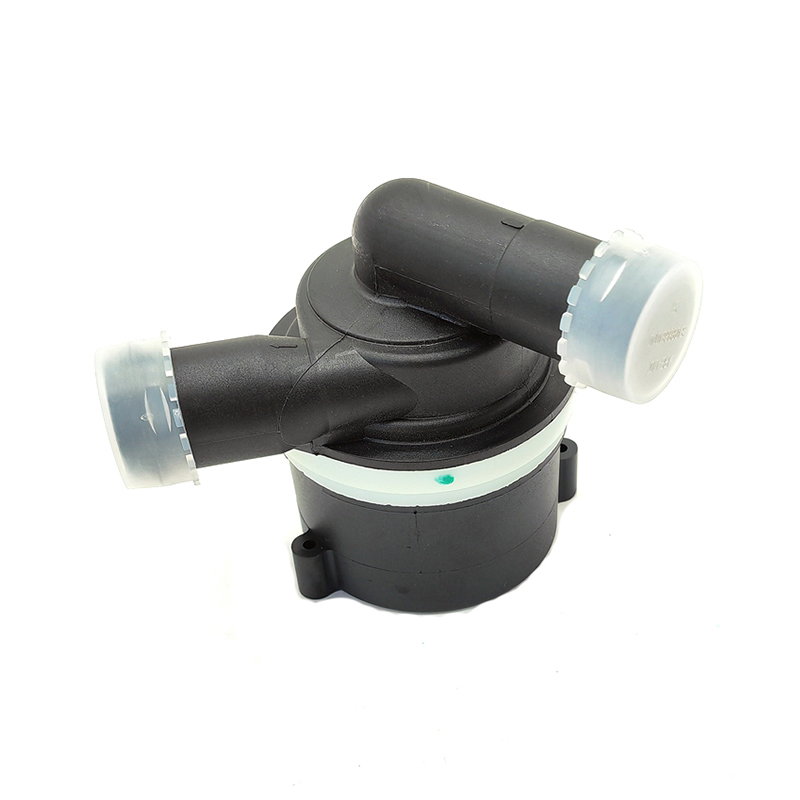
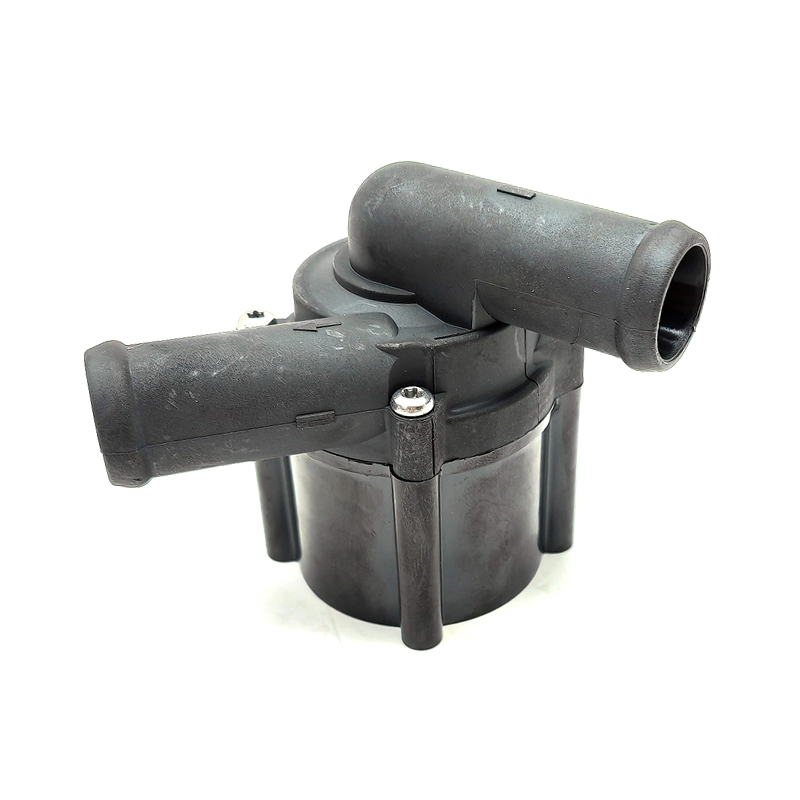
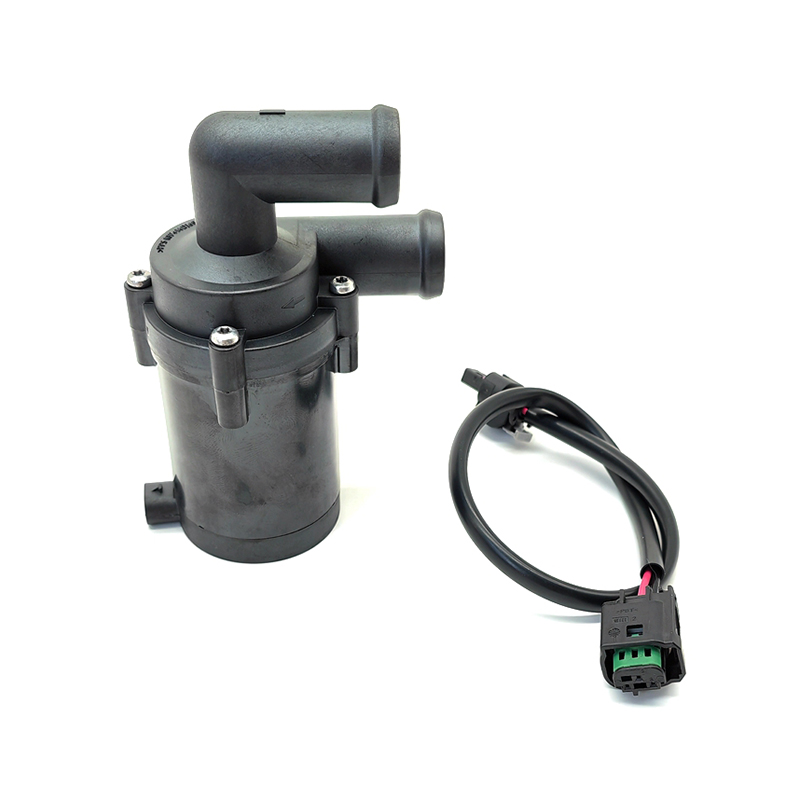
Modern vehicles rely on many components to keep both engine performance and cabin comfort at the right level. Among these, Business Auto Parts such as the auxiliary cooling pump play a key role in managing heat flow throughout the vehicle’s systems. Whether it’s keeping coolant circulating properly or helping the heating system deliver warm air on cold mornings, this small but vital pump can cause noticeable issues when problems arise. In this article, we explore common auxiliary cooling pump failure symptoms, why they happen, and how drivers can recognize them early.
At Wenzhou Xinhao Auto Parts Co., Ltd., we understand how crucial reliable auxiliary cooling system components are. When an auxiliary cooling pump begins to fail due to wear or electrical issues, drivers often notice something isn’t right long before a mechanic confirms the diagnosis.
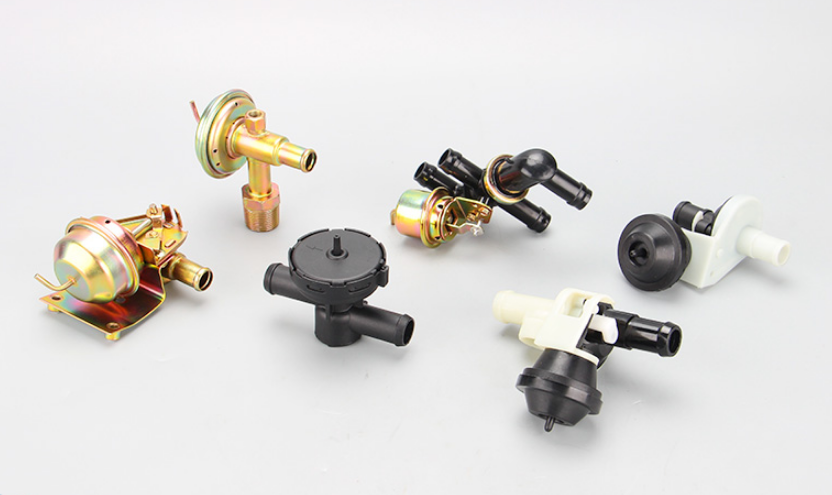
1. No Warm Air From the Cabin Heater
One of the more obvious signs that something might be wrong with an auxiliary cooling pump is a sudden loss of warm air from the vehicle’s cabin heater. Since the auxiliary pump helps push coolant through the heater core, its malfunction can mean hot coolant simply isn’t reaching the system meant to provide heat. As a result, even with the engine warmed up, drivers may still feel cold air blowing from the vents. This symptom often initial appears during winter or cold weather driving, especially at idle or low speeds.
2. Fluctuating Heat
Some drivers report an inconsistent heating experience — one moment the cabin feels warmer, and moments later it suddenly chills. This fluctuating heat is a common indicator that the auxiliary pump isn’t circulating coolant at a steady rate. Because the heater core relies on a consistent flow to maintain temperature, any interruption due to a failing pump motor or electrical signal can cause noticeable shifts in temperature inside the vehicle.
3. High-Pitched Buzzing or Strange Noises
A distinctive symptom many vehicle owners associate with auxiliary cooling pump problems is unusual noise. When the internal motor or bearings of the pump begin to fail, drivers might hear a high-pitched buzzing or whining sound coming from under the hood or dashboard area. This noise sometimes continues even after shutting the vehicle off, indicating that the pump’s electrical system may be stuck in an “on” position or suffering a short.
4. Reduced Cabin Defrost Performance
During cold or humid weather, many drivers rely on their vehicle’s defrost system to keep the windshield clear. An auxiliary cooling pump that no longer circulates warm coolant effectively can result in poor defrost performance. Since warm air is essential for clearing fog or frost, a weak heating system may struggle to keep windows clear, especially during winter months.
5. Check Engine or Error Codes
Modern vehicles monitor cooling system components and can store fault codes when something isn’t working as expected. A malfunctioning auxiliary cooling pump might not always trigger a visible warning light on the dash, but scanning the vehicle with a diagnostic tool often reveals error codes related to coolant pump circuits or system performance. Such indicators can help technicians pinpoint the auxiliary pump as the root cause.
When Should You Seek Professional Help?
If you notice one or more of these symptoms — especially reduced heating, strange noises, or inconsistent temperature control — it’s important to inspect the auxiliary cooling pump sooner rather than later. Delaying a diagnosis could contribute to more extensive system problems or passenger discomfort in extreme weather. Quality replacement parts from trusted auto part suppliers like Wenzhou Xinhao Auto Parts Co., Ltd. can help restore proper cooling and heating performance, ensuring your vehicle’s systems continue operating efficiently.


 View More >>
 View More >>
 View More >>
 View More >>
 View More >>
 View More >>
 No. 58, Aimin Road, Tangxia Town, Ruian City, Wenzhou City, Zhejiang, China
 +86-577-66082028
 +86-18966257799
