


 English
 русский
 Español
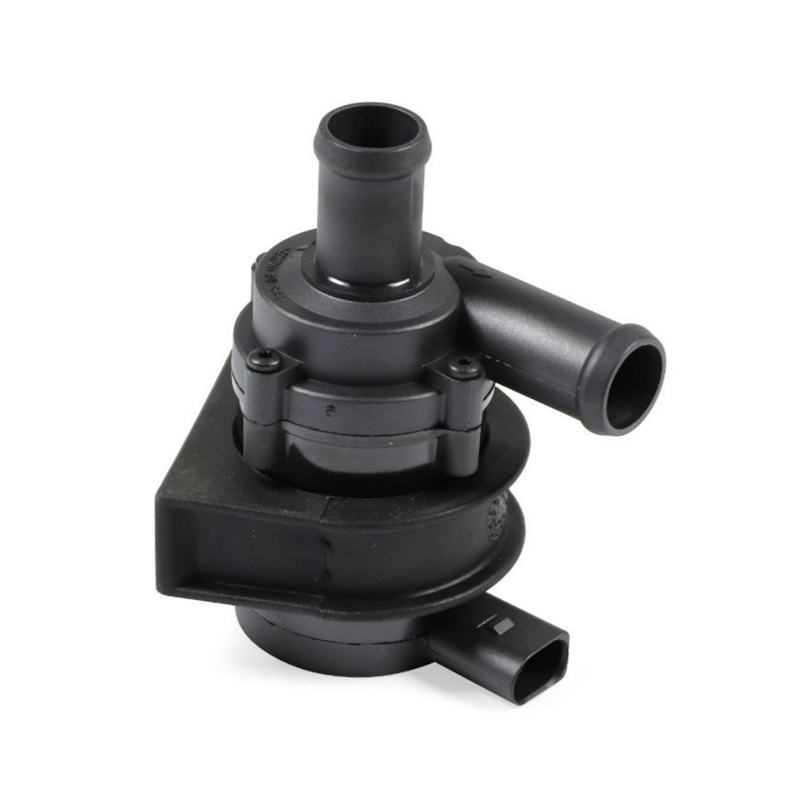
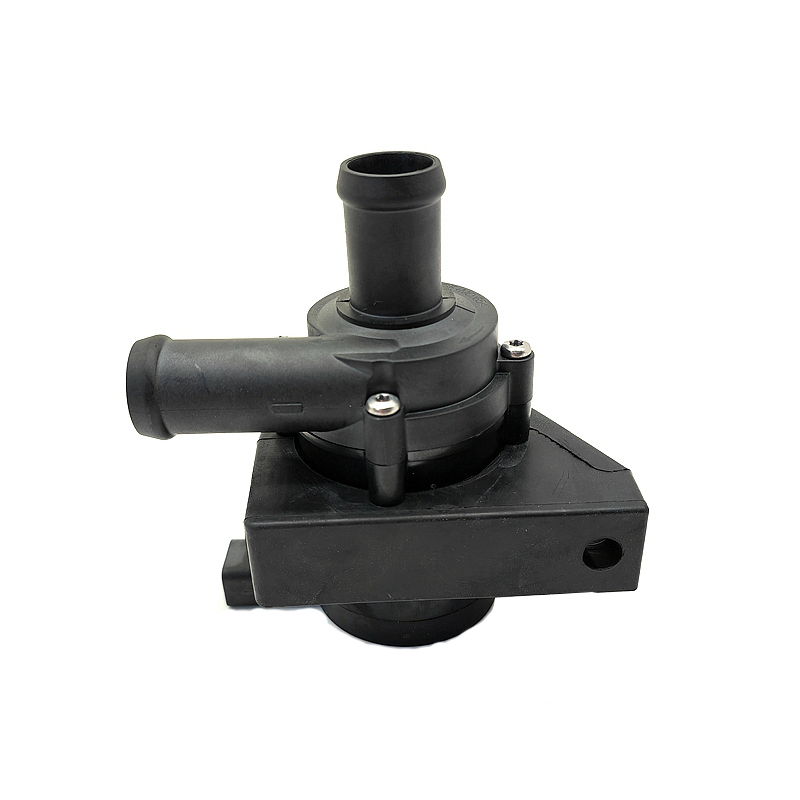
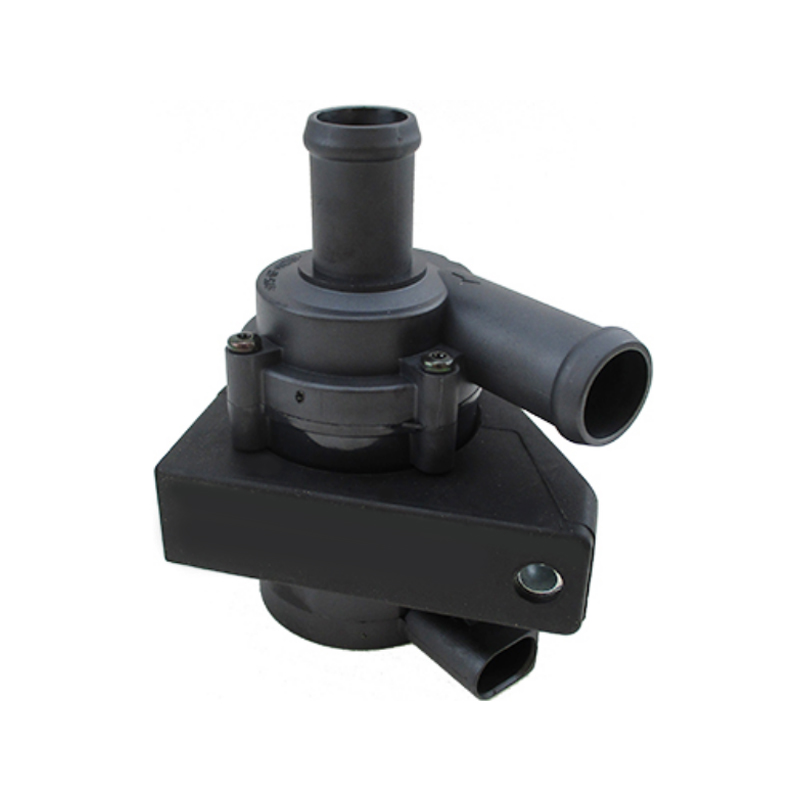
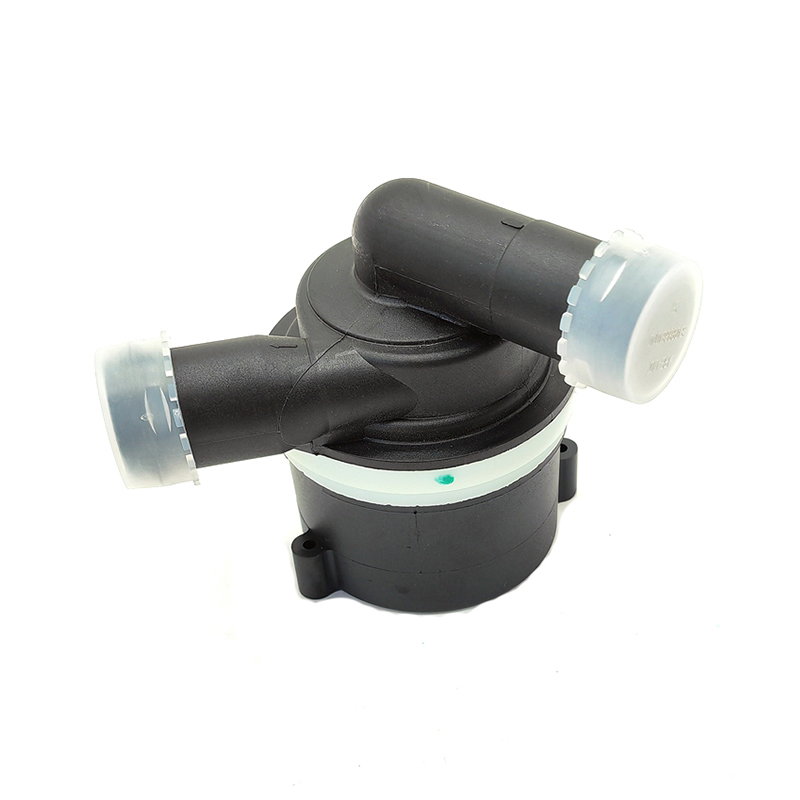
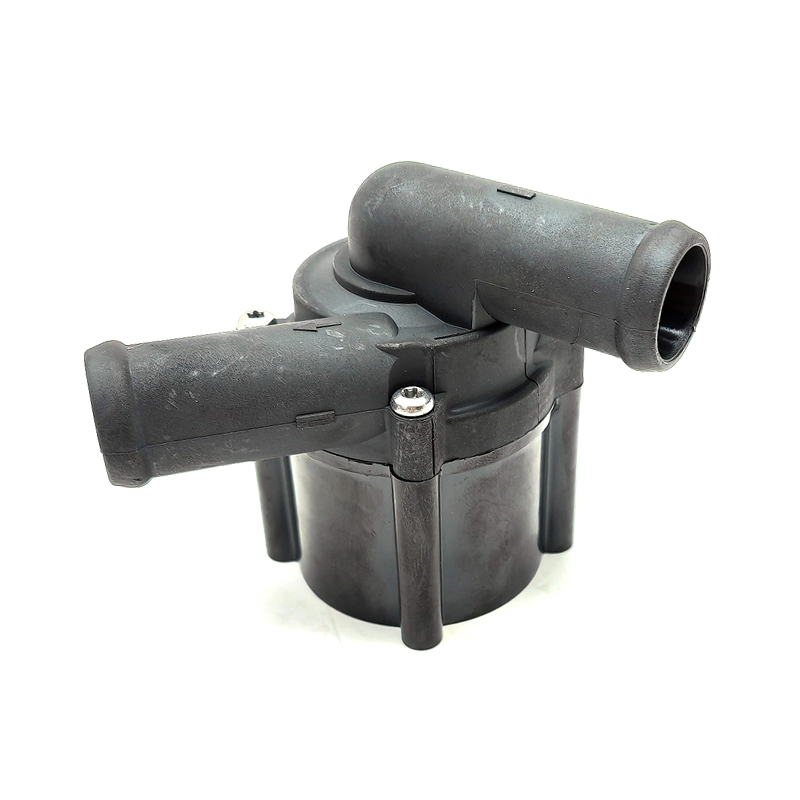
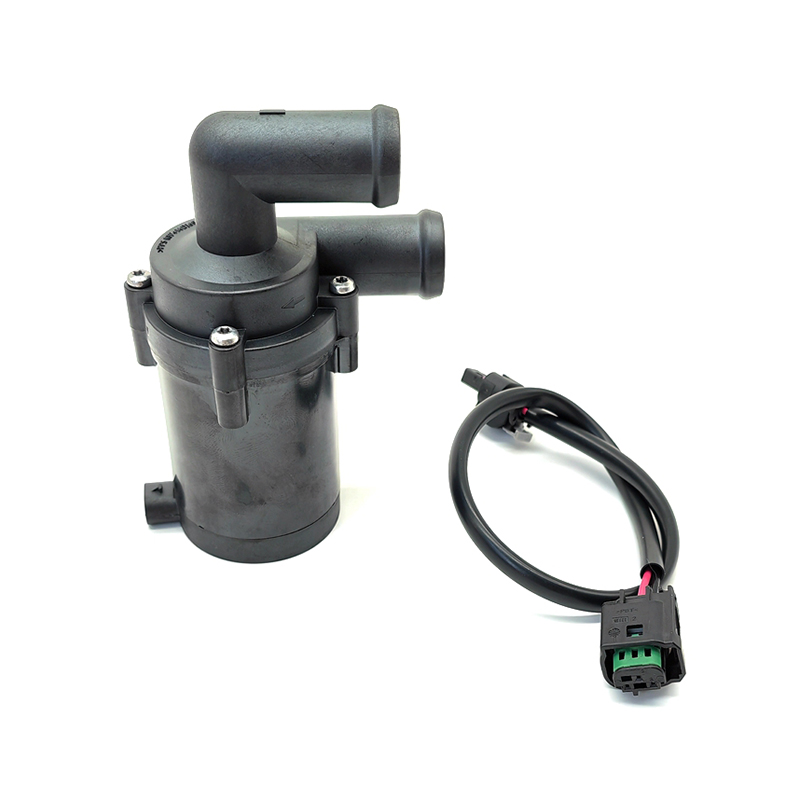
Coolant circulation in a vehicle does more than just manage engine temperature — it also affects overall engine behavior and performance. For many drivers and technicians, auxiliary cooling pump issues are often overlooked until they begin to influence vehicle operation in unusual ways. As a key component among Business Auto Parts, the auxiliary cooling pump supports secondary coolant circuits, especially in modern vehicles with advanced thermal management systems.
Could a Cooling Pump Problem Cause RPM Fluctuations?
One user asked whether a faulty auxiliary water pump could contribute to slight RPM fluctuations, especially during cold starts. Some community contributors shared that their vehicle did display small RPM swings — for example around ±50 RPM — when the auxiliary pump was failing or not circulating coolant effectively. Although not dramatic, these fluctuations are noticeable to drivers familiar with how their vehicle normally performs at idle. This happens because secondary coolant flow affects thermal balance and electrical load, which can subtly influence engine control algorithms.
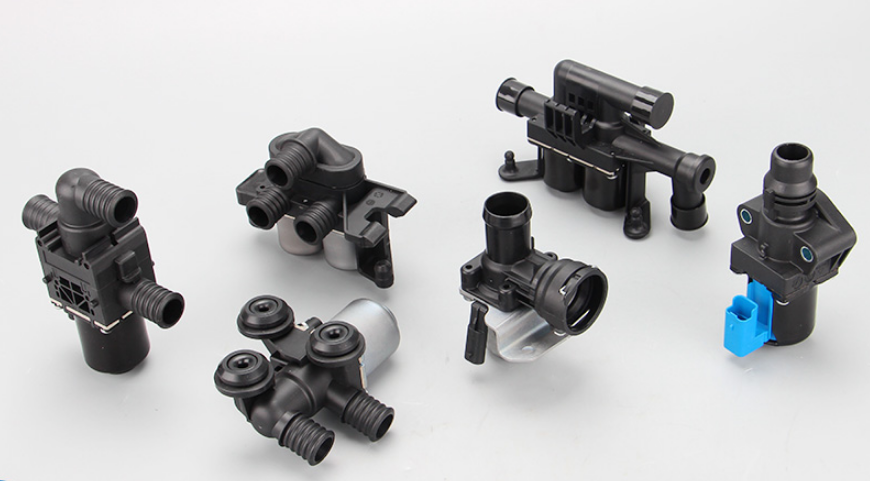
Error Codes Linked to Pump Circuits
Sometimes drivers get error codes that mention auxiliary coolant pump faults even when the main engine pump seems to operate fine. These codes can confuse owners who expect a failing pump to trigger more obvious signs like overheating. In reality, the vehicle’s diagnostic system monitors many circuits and will flag flow issues in the secondary cooling loop long before the main engine alarm is triggered. This early alert helps drivers catch subtle circulation problems affecting heating, battery cooling in hybrid systems, or turbocharger temperature control.
Quiet Indicators: Noise and Operation After Shutdown
Another practical hint of faulty auxiliary cooling pump operation is noise. When the pump’s internal components begin to wear, drivers may hear buzzing, whining, or chirping sounds coming from the engine bay or near the heater core area. In some vehicles, the auxiliary pump runs briefly even after the engine is turned off to cool critical components like turbochargers or battery packs. Changes in the post-shutdown sound pattern — such as the pump running longer than normal or sounding harsher — can be early hints of impending failure.
Heater Performance Can Mask Engine Stress
A common but subtle issue involves heater performance. Users often associate warm air being weak or inconsistent with a failing pump. This is correct: the auxiliary cooling pump circulates warm coolant to the heater core. Reduced cabin heat, inconsistent airflow, or slow defrost can reflect a lack of coolant circulation, even though the engine temperature gauge remains normal. Some drivers mistakenly attribute these symptoms to thermostat or heater core issues, when the actual culprit is in the pump itself. Recognizing this distinction can save time and repair costs.
Why Residual Performance Effects Matter
Even if auxiliary cooling pump issues don’t immediately cause engine overheating, they influence localized thermal behavior and vehicle systems that rely on consistent coolant flow. Heat buildup in turbocharged engines, battery packs in hybrids, or heater cores in cold climates can trigger engine control adaptations, limp modes, or reduced component life. That’s why modern vehicles use the auxiliary pump as part of an integrated cooling strategy — it takes pressure off the main pump and ensures stable temperatures across multiple systems.
Practical Advice for Owners
Owners who notice unusual idle behavior, inconsistent heating, or diagnostic codes should consider a thorough cooling system check. Start with simple inspections of coolant level and condition, and pay attention to noise or temperature changes during operation. Professional diagnostics can pinpoint whether the auxiliary cooling pump itself, its power supply, or related sensors are at fault. Quality spare parts from reputable suppliers help restore proper circulation and maintain engine stability.

 View More >>
 View More >>
 View More >>
 View More >>
 View More >>
 View More >>
 No. 58, Aimin Road, Tangxia Town, Ruian City, Wenzhou City, Zhejiang, China
 +86-577-66082028
 +86-18966257799
