


 English
 русский
 Español
Wenzhou Xinhao Auto Parts Co., Ltd.
As vehicle cooling systems become more sophisticated, maintaining stable coolant circulation is an important consideration for automotive manufacturers and aftermarket suppliers. An auxiliary water pump helps move coolant through specific parts of a cooling circuit when additional circulation is needed. However, choosing the right model involves more than checking its appearance or connection size. When sourcing an Auxiliary Water Pump, buyers and engineers should consider operating conditions, flow requirements, electrical compatibility, installation space, and how the pump interacts with the overall cooling system. Understanding these details can help prevent fitment problems and support more dependable operation.

Understand Where Additional Coolant Circulation Is Needed
An auxiliary water pump is commonly used to support coolant circulation in applications where the main engine-driven pump does not provide all the circulation required. Depending on vehicle design, it may serve components such as auxiliary heating circuits, turbocharger cooling systems, or other dedicated cooling loops.
The first step in product selection is identifying the actual circuit the pump will serve. Engineers should understand the coolant path, operating temperature range, required circulation conditions, and whether the pump needs to operate continuously or under specific control signals. This application-based assessment provides a more useful starting point than selecting a pump solely by its general product category.
Match Flow Performance to the Cooling Circuit
Insufficient coolant circulation may affect heat transfer, while selecting a pump without considering system resistance can create an unsuitable operating condition. Buyers should therefore evaluate flow performance in relation to the complete cooling circuit.
Important factors include:
- Required coolant flow under normal operating conditions
- Pressure losses caused by hoses, fittings, and other components
- Coolant temperature and composition
- Differences between operating and standby conditions
- Compatibility with the vehicle's existing circulation system
A pump's published flow rate should be interpreted alongside its pressure characteristics and the conditions under which the value was measured. This helps engineers avoid comparing products using figures that may have been obtained under different test conditions.
Check Electrical Compatibility Before Ordering
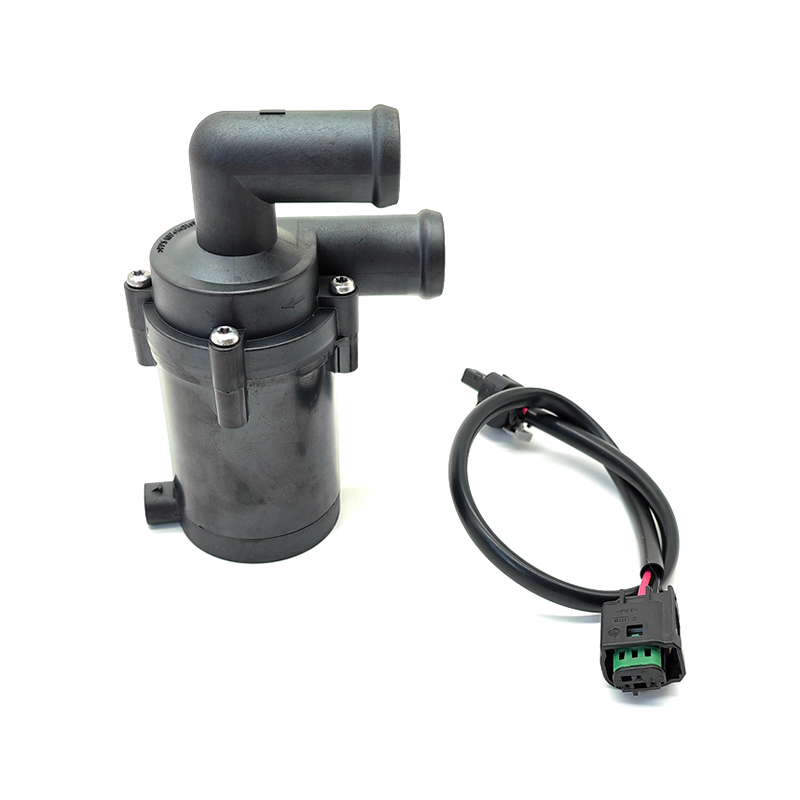
For electric auxiliary pumps, electrical specifications are essential to successful integration. Supply voltage, current consumption, connector design, wiring arrangement, and control method should all be reviewed before confirming a purchase.
An electrical mismatch can lead to installation difficulties or prevent the pump from working correctly with the vehicle's control system. For OEM projects, manufacturers should clarify the required electrical interface early in the development process. Aftermarket distributors should also verify connector and vehicle application information to reduce incorrect product selection.
Consider Installation Space and Connection Design
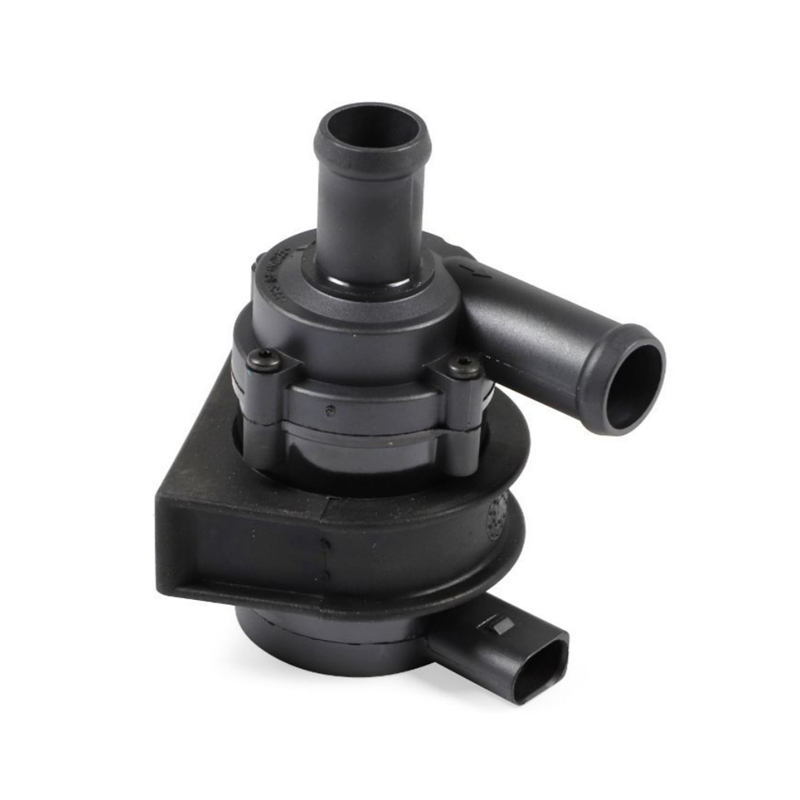
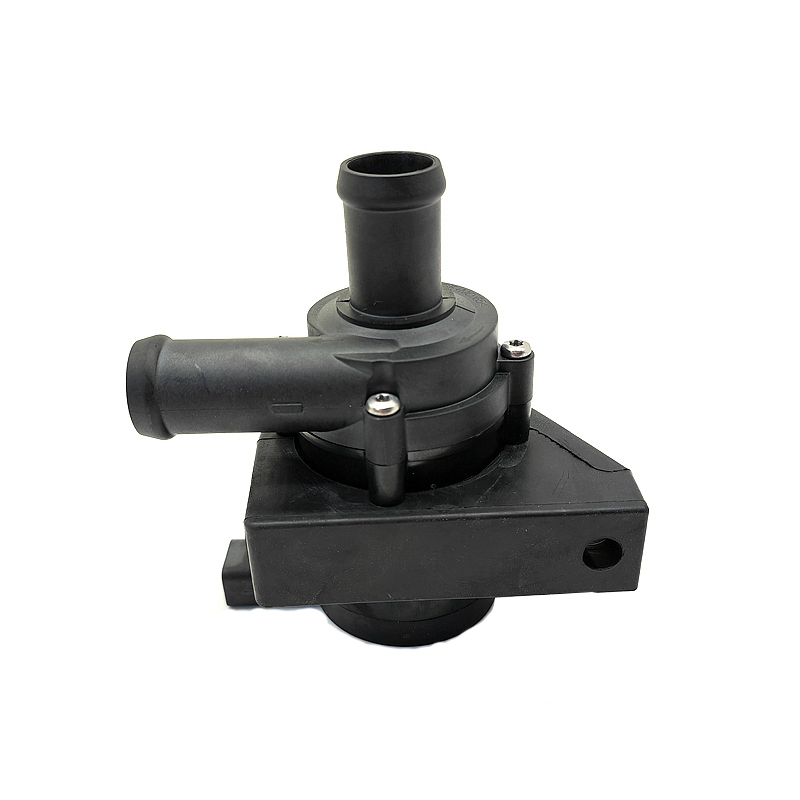
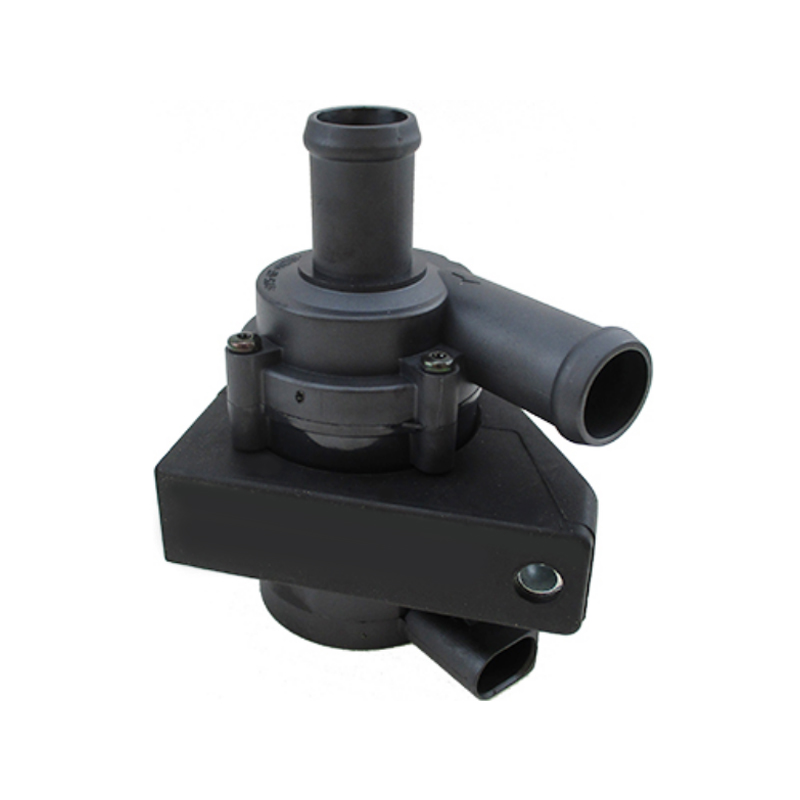
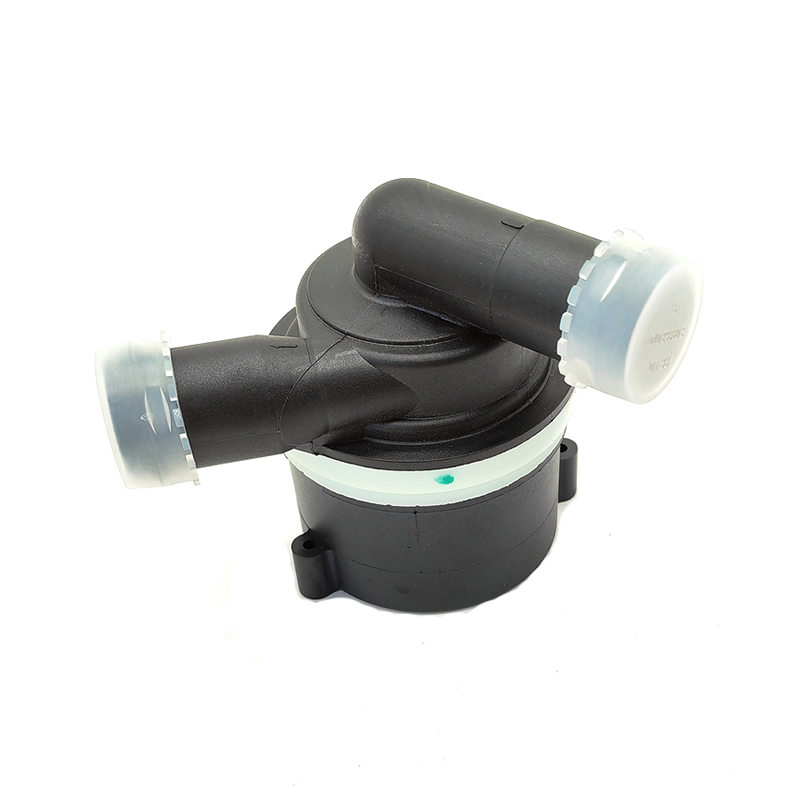
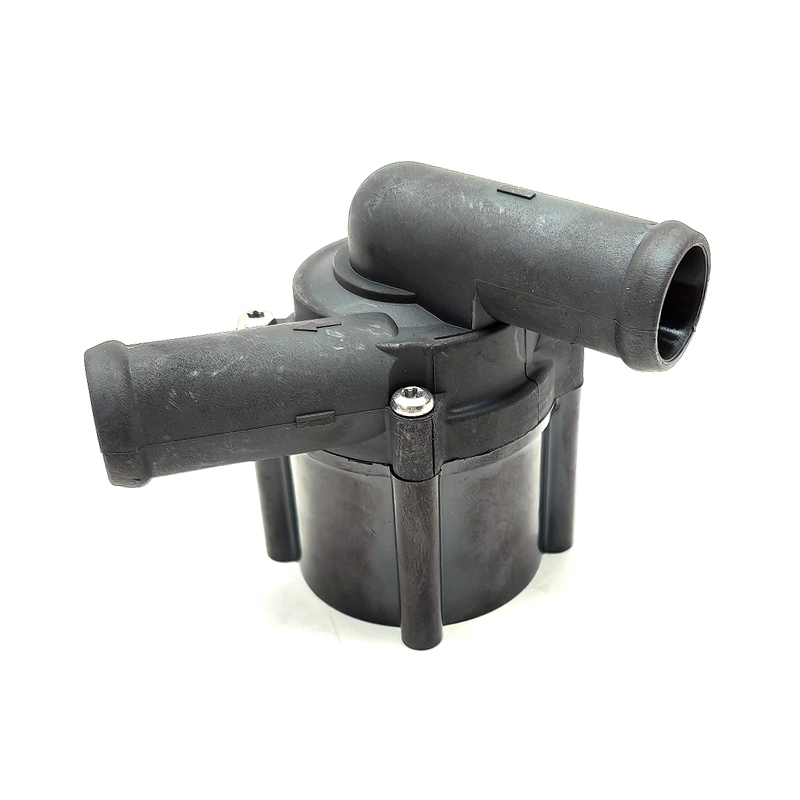
The available installation area can vary significantly between vehicle platforms. Even when two pumps offer similar circulation performance, differences in housing dimensions, mounting points, inlet and outlet positions, or connector orientation may affect whether they can be installed without modification.
Before selecting an Auxiliary Water Pump, buyers should compare technical drawings and confirm the following details:
- Overall dimensions and mounting arrangement
- Inlet and outlet diameters and positions
- Hose connection requirements
- Electrical connector orientation
- Available clearance around the installation location
These checks are particularly useful for distributors managing multiple vehicle applications and manufacturers developing customized pump assemblies.
Evaluate Materials for Coolant Compatibility
The pump housing, internal components, seals, and impeller all need to suit the intended coolant and operating environment. Material selection should account for coolant composition, temperature exposure, and the possibility of long-term contact with additives.
Buyers should ask manufacturers about the materials used in wetted components and whether the pump has been evaluated under relevant operating conditions. This is more informative than relying on general descriptions such as corrosion-resistant or heavy-duty without understanding the actual material configuration.
Look Beyond Initial Performance During Maintenance Planning
A pump that performs well during initial operation must also be practical to inspect and replace throughout the vehicle's service life. Engineers and fleet maintenance teams may need to consider noise, vibration, connection integrity, operating stability, and accessibility during replacement.
Manufacturers can support this process by providing clear installation instructions, product identification, wiring information, and maintenance guidance where applicable. For aftermarket suppliers, consistent product specifications and reliable identification of compatible applications also help simplify inventory management and customer support.
Work With a Manufacturer That Understands System Requirements
Selecting the right pump requires a complete view of the cooling circuit rather than an isolated comparison of product specifications. As an Auxiliary Water Pump manufacturer, we believe effective product development should take account of flow requirements, electrical interfaces, installation conditions, material compatibility, and the intended vehicle application. Overseas buyers who communicate these requirements clearly during the sourcing process can make more informed decisions, reduce compatibility issues, and identify an Auxiliary Water Pump that fits the practical demands of their target market.

 View More >>
 View More >>
 View More >>
 View More >>
 View More >>
 View More >>
 No. 58, Aimin Road, Tangxia Town, Ruian City, Wenzhou City, Zhejiang, China
 +86-577-66082028
 +86-18966257799

