


 English
 русский
 Español
As automotive systems become more compact, component integration requires careful attention to space, connections, and operating conditions. A valve may meet its basic functional requirements but still create installation difficulties if its dimensions, connector position, or mounting arrangement do not suit the surrounding components. For automotive engineers and overseas purchasing teams, these details can influence development time and assembly efficiency. Selecting an Automobile Solenoid Valve should therefore involve evaluating not only its operating function but also how naturally it fits into the intended vehicle system.
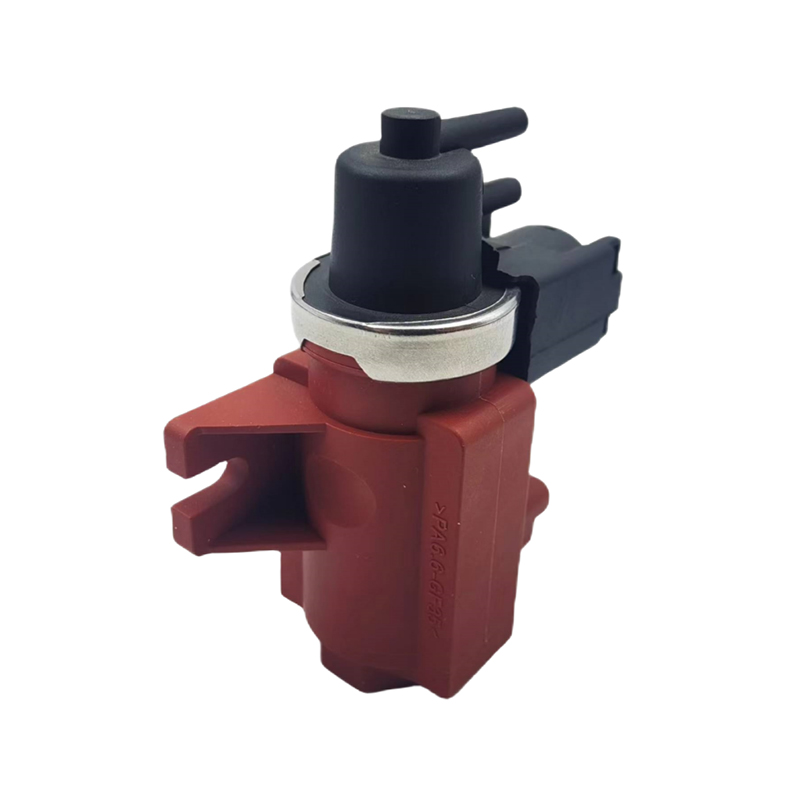
Installation Space Should Shape the Initial Design
Automotive assemblies often contain multiple components within a limited space. A valve that is too large or has an unsuitable mounting orientation may interfere with nearby parts, wiring, or service access.
During early development, engineers should review the available installation envelope, mounting points, connection direction, and clearance around the valve. The space needed to connect electrical plugs and fluid lines should also be considered, rather than checking only the valve body's external dimensions.
For manufacturers, receiving these details before finalizing the design makes it easier to evaluate structural options. Early coordination can help avoid unnecessary design changes after a sample has already been produced.
Connection Design Affects Assembly Efficiency
A valve's fluid ports and electrical connector must match the surrounding system. Differences in thread specifications, port orientation, connector shape, or locking arrangements can complicate installation even when the main body appears compatible.
Engineers should confirm the connection requirements in the technical drawings and identify any restrictions created by adjacent components. Where the installation involves limited access, the direction in which a connector or fitting is attached can be particularly important.
Manufacturers can support this process by documenting interface dimensions and confirming connection details before production. Clear specifications help the valve integrate more predictably into the customer's assembly process.
Consider the Full Operating Environment
The installation location influences the materials and protection requirements of an Automobile Solenoid Valve. Depending on its position, the component may experience temperature changes, vibration, moisture, dust, or contact with particular fluids.
These conditions should be defined during product development. Housing materials, sealing components, coil insulation, and connector protection need to be evaluated according to the actual application rather than selected independently.
Buyers should provide the manufacturer's expected operating temperature range and relevant environmental conditions. This information helps determine which design characteristics require particular attention during validation.
Balance Compactness With Functional Requirements
Reducing component size can create opportunities for more flexible vehicle layouts, but a smaller design is not automatically more suitable. Internal flow paths, electromagnetic components, moving parts, and sealing structures still need enough space to perform their intended functions.
When requesting a compact valve, engineers should identify the specific space constraint and explain which dimensions are most restricted. The manufacturer can then assess whether changes to the housing, port arrangement, or mounting structure are feasible without compromising agreed performance requirements.
This application-based approach is more practical than setting a size target without considering the internal design.
Plan Validation Around the Intended Installation
Testing a valve separately can confirm certain product characteristics, but integration also depends on its interaction with the surrounding system. The development plan should therefore include checks relevant to the intended mounting arrangement and operating conditions.
Depending on the application, validation may cover:
- Dimensional fit and mounting alignment
- Accessibility of electrical and fluid connections
- Electrical operation under specified conditions
- Sealing performance at required operating pressures
- Functional behavior across the intended temperature range
- Potential interference with nearby components
The exact validation plan should follow the product specification and project requirements. Documenting the results gives both the manufacturer and buyer a clearer basis for approving the design.
Coordinate Design Changes Before Production
Vehicle projects may evolve as packaging layouts and system requirements are refined. A small change to a mounting point or connector orientation can affect tooling, assembly arrangements, or compatibility with related components.
Manufacturers and buyers should maintain clear drawing revisions and confirm which version is approved for sampling and production. When a design change affects an important interface or operating characteristic, the need for renewed evaluation should be assessed before the revised component enters mass production.
This helps reduce misunderstandings and keeps the product configuration aligned with the current application.
Choose a Manufacturer That Understands Integration
A suitable Automobile Solenoid Valve is not defined by its standalone specifications alone. Installation space, connection geometry, environmental conditions, internal design, and validation requirements all contribute to successful system integration. For overseas automotive buyers, sharing these details early with the manufacturer creates a stronger basis for customization and technical evaluation. When component design is developed around the real installation environment, it becomes easier to assess compatibility before committing to production quantities.
 View More >>
 View More >>
 View More >>
 View More >>
 View More >>
 View More >>
 No. 58, Aimin Road, Tangxia Town, Ruian City, Wenzhou City, Zhejiang, China
 +86-577-66082028
 +86-18966257799

