


 English
 русский
 Español
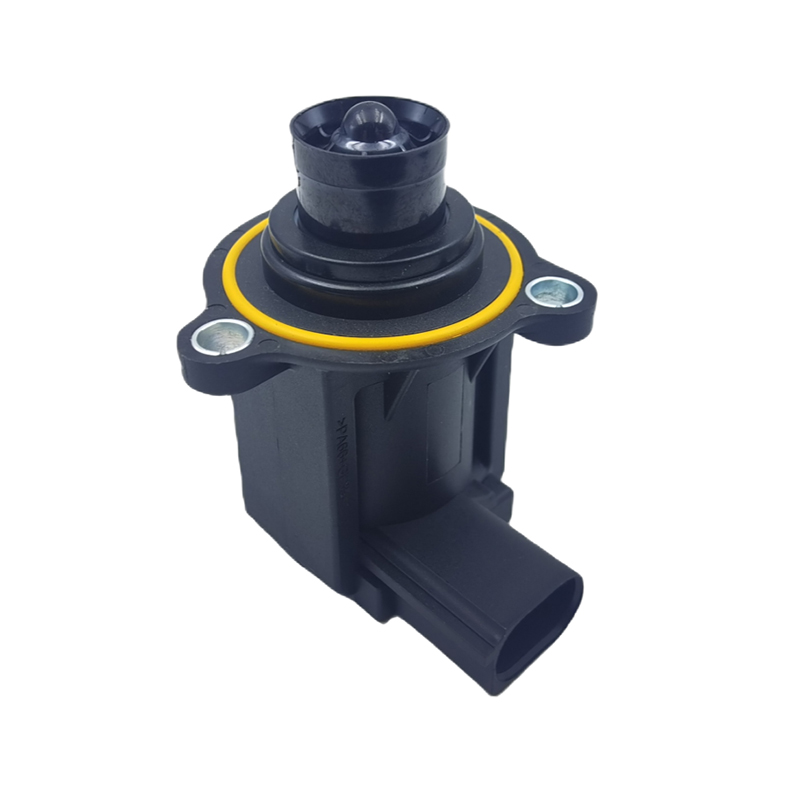
Automotive component sourcing involves more than finding a valve with the right dimensions and price. Buyers also need to confirm whether the component matches the vehicle system, whether the manufacturer can meet the required specifications, and whether the same configuration can be supplied consistently for future orders. These questions are especially important when a project requires a customized Automobile Solenoid Valve rather than an off-the-shelf component. Clear technical communication between buyers and manufacturers can make product development more efficient and reduce avoidable changes during procurement.
Define the Application Before Requesting a Quote
A quotation is only useful when the manufacturer understands what the component needs to do. Different automotive systems may require different flow characteristics, electrical configurations, connection structures, and sealing materials.
Before requesting pricing, buyers should provide the intended application, available installation space, operating conditions, and relevant technical drawings. If a drawing is not available, a detailed specification sheet and reference samples may help establish the initial requirements.
For manufacturers, this information provides a practical starting point for assessing feasibility. It also helps identify missing details before tooling, sampling, or production planning begins.
Separate Essential Specifications From Preferences
Not every requested feature has the same importance. Some requirements determine whether the valve can function within the system, while others relate to packaging, appearance, or installation convenience.
Buyers should distinguish mandatory technical requirements from optional preferences. Essential details may include rated voltage, port configuration, operating pressure, fluid compatibility, mounting dimensions, and required performance criteria. Optional changes might involve connector positioning, external appearance, or product identification.
This distinction allows the manufacturer to focus on the factors that directly affect product suitability while evaluating customization options in a more organized way.
Review Material Compatibility Early
Material selection can influence the service conditions a valve can support. Housing materials, sealing components, and internal parts need to be considered in relation to the intended fluid, temperature range, pressure conditions, and expected operating environment.
A material that performs adequately in one application may not be suitable for another. Buyers should therefore provide relevant fluid and environmental information rather than asking for a material choice based only on general descriptions.
Manufacturers can use these requirements to assess available material options and identify where additional compatibility verification may be necessary. Early discussion is preferable to discovering a material mismatch after samples have been approved.
Make Sample Approval a Technical Checkpoint
A sample allows both parties to review the proposed design before moving to larger production quantities. However, approval should be based on defined criteria rather than visual similarity alone.
A useful sample review can cover:
- Key dimensions and mounting interfaces
- Electrical ratings and connector compatibility
- Sealing and connection arrangements
- Functional performance against agreed requirements
- Identification markings and packaging details
Any requested change should be documented and confirmed before the next sample or production stage. This creates a clearer reference for both the purchasing team and the manufacturing team.
Confirm Production and Change Management
Once the product specification is approved, buyers should understand how the manufacturer will maintain that configuration during repeat orders. Changes to components, materials, tooling, or assembly methods may affect conformity and should be evaluated before implementation.
Clear drawing revisions and written approval records help prevent outdated specifications from being used in production. For distributors and automotive parts buyers, this is particularly useful when managing multiple product versions or replenishing inventory over time.
A manufacturer with an organized change-review process can make technical communication more transparent and help buyers understand when a new sample or additional verification may be required.
Consider Packaging and Identification Requirements
Packaging is often treated as a final purchasing detail, but it can affect storage, transportation, and warehouse operations. Buyers may require individual protection, batch identification, product labels, or packaging formats suited to their distribution process.
These requirements should be confirmed before mass production. The manufacturer can then evaluate packaging dimensions, labeling information, and identification methods alongside the product specification.
Consistent identification also helps distinguish similar valve models and reduces confusion during receiving, storage, and replenishment.
Build a More Reliable Sourcing Process
Sourcing a custom Automobile Solenoid Valve becomes more manageable when application details, material requirements, sample approval, production changes, and packaging are addressed from the beginning. For overseas buyers, working directly with a manufacturer on a clearly documented specification helps align product expectations with production capability. This approach supports more informed purchasing decisions and creates a practical foundation for repeat orders as automotive component requirements evolve.
 View More >>
 View More >>
 View More >>
 View More >>
 View More >>
 View More >>
 No. 58, Aimin Road, Tangxia Town, Ruian City, Wenzhou City, Zhejiang, China
 +86-577-66082028
 +86-18966257799
