


 English
 русский
 Español
Wenzhou Xinhao Auto Parts Co., Ltd.
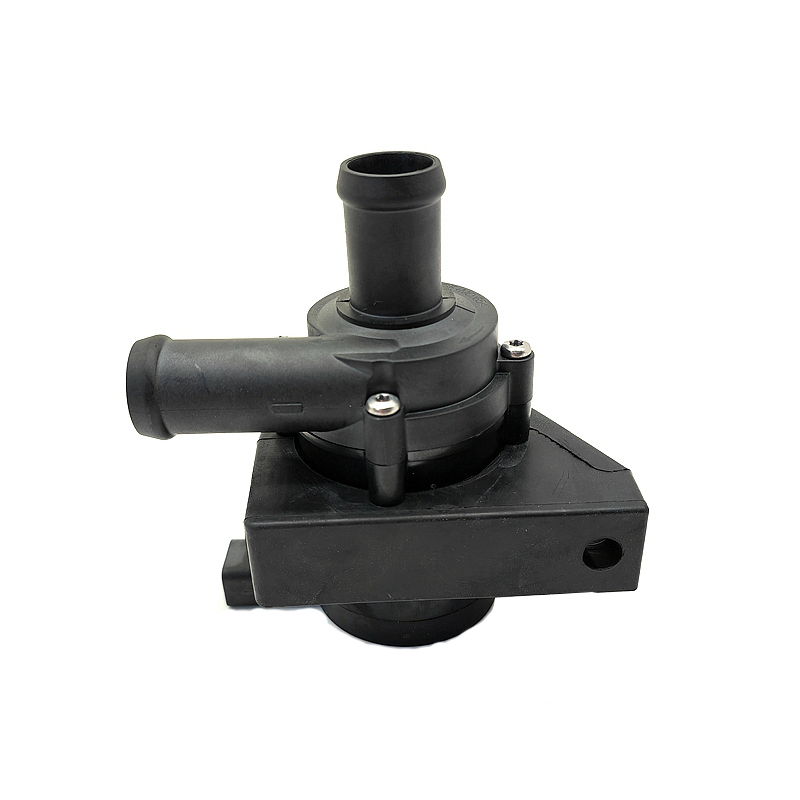
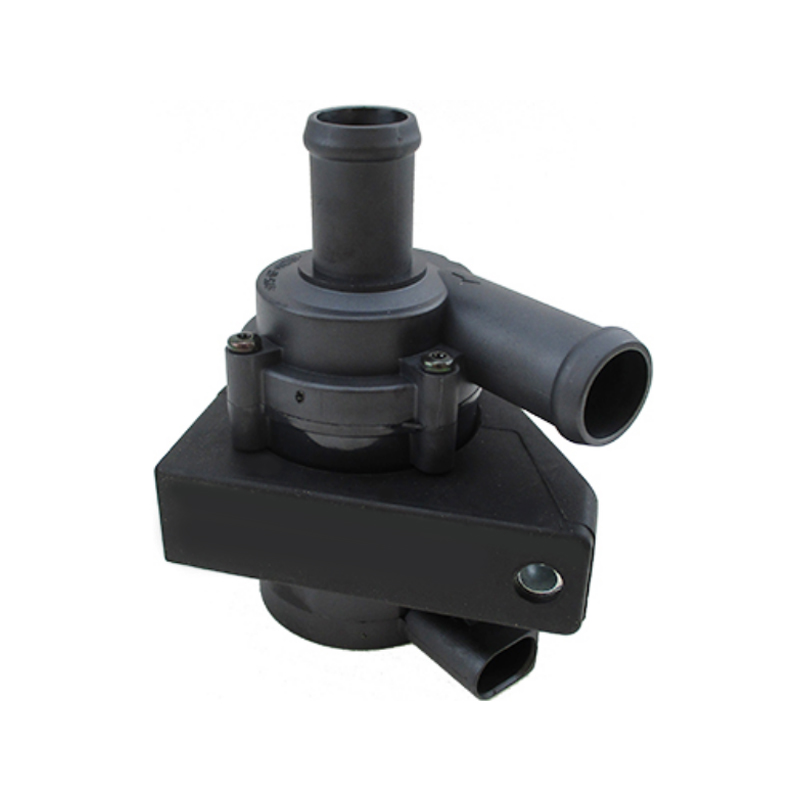
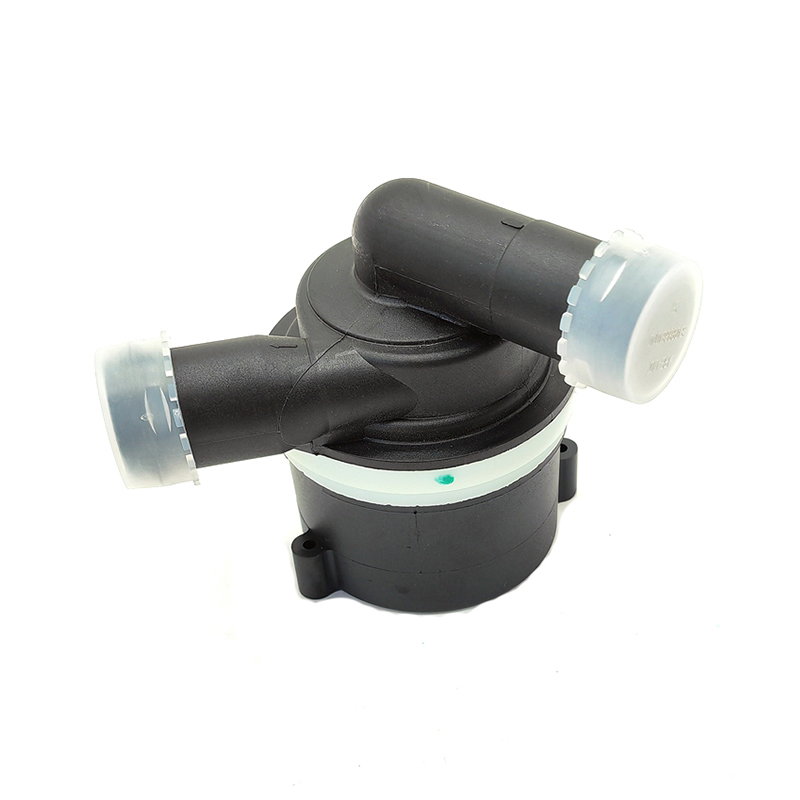
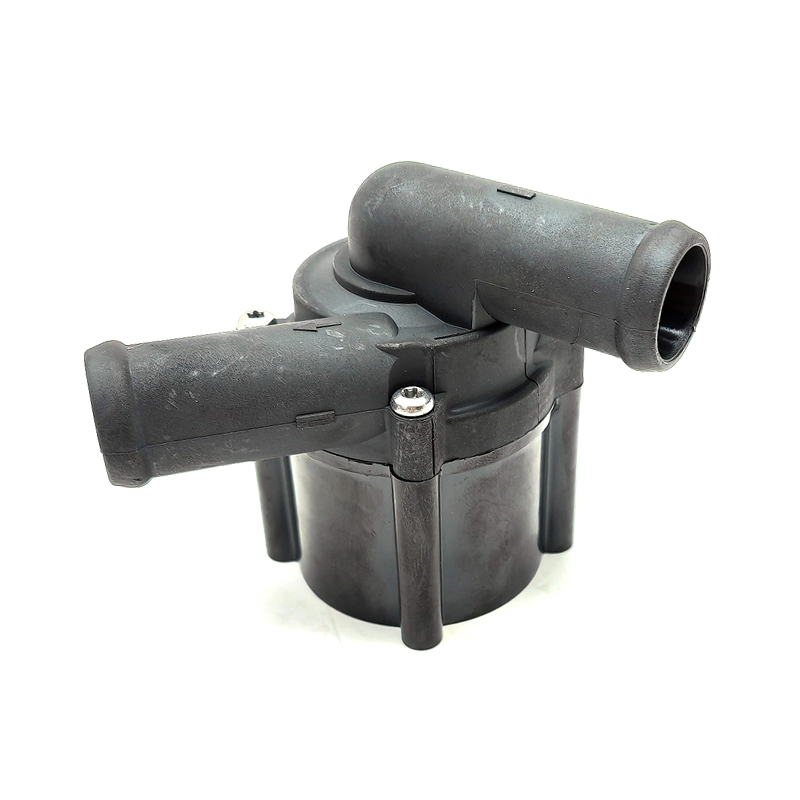
As vehicle powertrains become more diversified, thermal management is no longer limited to keeping the engine within a suitable operating temperature. Turbochargers, batteries, inverters, motors, and cabin heating systems can all require controlled coolant circulation under different operating conditions. An Auxiliary Water Pump can provide an independent circulation path where the main cooling system alone may not offer the required flexibility. For automotive component manufacturers, this creates new engineering requirements for compact, reliable, and application-specific pump solutions.
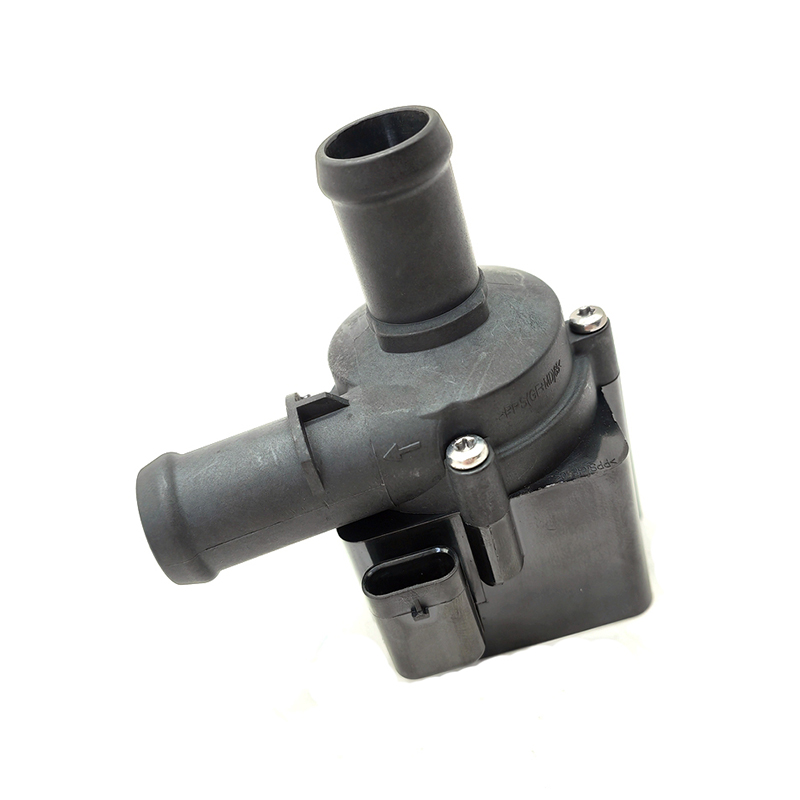
Supporting Cooling When the Main Pump Is Not Enough
A vehicle's main water pump is designed around the primary cooling circuit, but some components may need coolant circulation under conditions when the main circuit is inactive or cannot provide the preferred flow path.
An auxiliary pump can operate as a separate circulation unit, helping maintain coolant movement through selected components. This is particularly relevant for turbocharger after-run cooling, cabin heating circuits, battery thermal management, and other auxiliary cooling applications. The exact configuration depends on the vehicle architecture and thermal requirements.
Moving From Engine Cooling to Multi-Circuit Thermal Management
Electrification is changing the role of coolant pumps. Modern thermal systems can include separate circuits for batteries, electric motors, inverters, power electronics, and passenger comfort. Industry suppliers are increasingly developing electric coolant pumps that can be integrated into broader thermal-management modules.
For component manufacturers, this means pump development must consider more than flow generation. Hydraulic performance, motor characteristics, packaging, electrical control, and compatibility with the surrounding coolant circuit all need to be evaluated together.
Compact Packaging Creates a Different Design Challenge
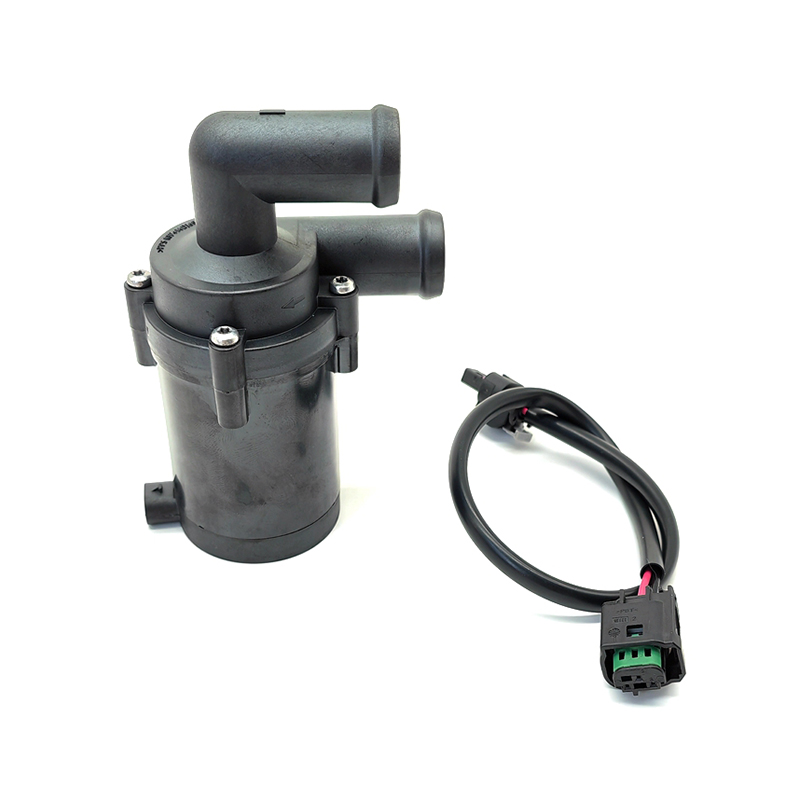
Automotive engine compartments and thermal-management modules leave limited installation space. A pump that performs well hydraulically may still be unsuitable if its dimensions, mounting structure, connector position, or hose connections do not match the vehicle platform.
Our manufacturing approach therefore considers the complete installation environment during product development. Depending on the application, design work can address:
- Pump dimensions and mounting arrangement
- Coolant inlet and outlet configuration
- Motor and impeller matching
- Electrical interface requirements
- Integration with the vehicle's thermal-management circuit
This application-oriented approach is important for OEM and Tier supplier projects where the component needs to fit an existing system rather than operate as an independent unit.
Control Compatibility Is Becoming More Important
Electric coolant pumps are increasingly connected with vehicle control systems rather than operating only as simple on/off devices. Depending on the pump architecture, electronic control can regulate coolant circulation according to thermal demand.
This trend is particularly relevant as automotive thermal systems become more integrated. Bosch, for example, describes coolant pumps with integrated electronics and LIN/PWM control for vehicle thermal-management applications.
For manufacturers, developing the motor, pump hydraulics, and control interface as a coordinated system can simplify integration and provide greater flexibility for different vehicle platforms.
Reliability Starts During Manufacturing
A pump used in an automotive thermal circuit must continue operating within a demanding environment that can include vibration, temperature variation, continuous operation, and repeated start-stop conditions. Reliability therefore needs to be considered throughout product development and production rather than treated as a final inspection item.
As an automotive component manufacturer, we focus on controlling the relationship between component selection, assembly accuracy, motor operation, hydraulic performance, and production testing. This manufacturing discipline helps create a more consistent product for customers developing complete cooling systems.
One Pump Design May Not Fit Every Application
Different vehicles can have different voltage requirements, available installation space, coolant circuits, and operating strategies. A passenger car application may therefore require a different auxiliary coolant pump configuration from a commercial vehicle or new-energy platform.
Rather than applying one fixed design to every project, we can develop OEM-oriented solutions around the customer's technical requirements. Product development can involve adjustments to the pump structure, mounting configuration, electrical connection, and application parameters to achieve better compatibility with the intended vehicle system.
Engineering the Next Generation of Auxiliary Cooling Solutions
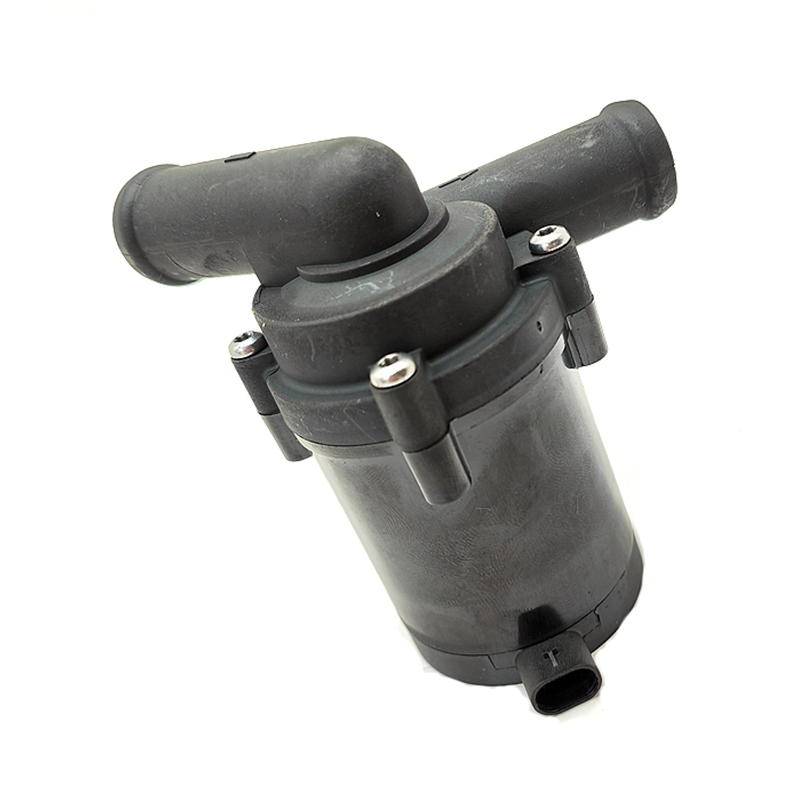
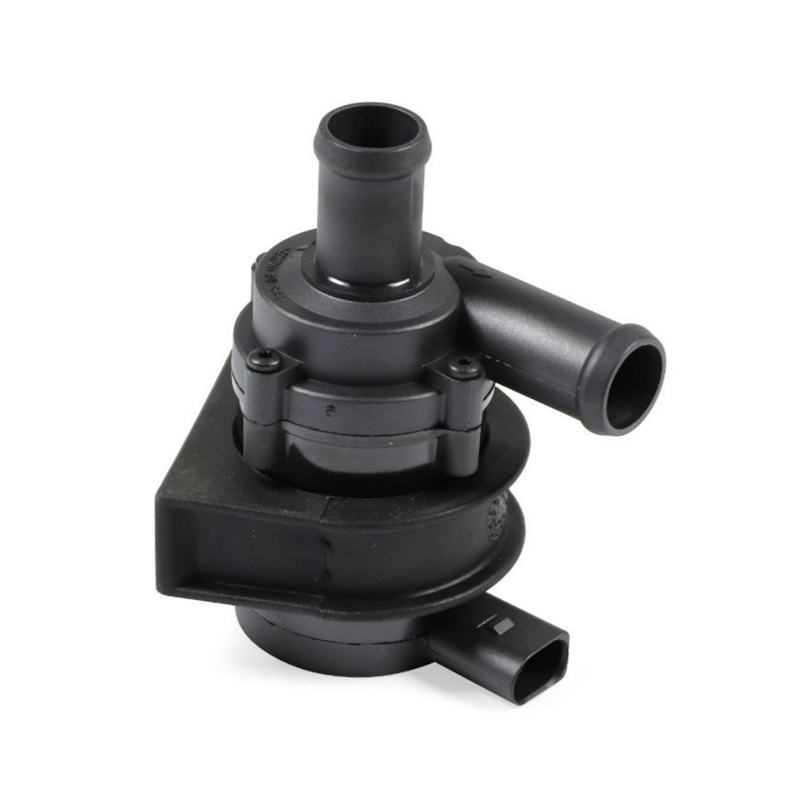
As automotive thermal management continues moving toward integrated systems, the role of independent coolant circulation is becoming more diverse. An Auxiliary Water Pump can support thermal control in engine-related applications as well as selected battery, inverter, motor, HVAC, and other auxiliary circuits.
For overseas automotive buyers and engineering teams, the value of an Auxiliary Water Pump manufacturer lies not only in supplying a pump, but in combining product development, hydraulic and motor engineering, manufacturing control, and OEM customization. By developing the component around the vehicle's actual thermal architecture, manufacturers can provide a more practical foundation for modern automotive cooling systems.
 View More >>
 View More >>
 View More >>
 View More >>
 View More >>
 View More >>
 No. 58, Aimin Road, Tangxia Town, Ruian City, Wenzhou City, Zhejiang, China
 +86-577-66082028
 +86-18966257799
