


 English
 русский
 Español
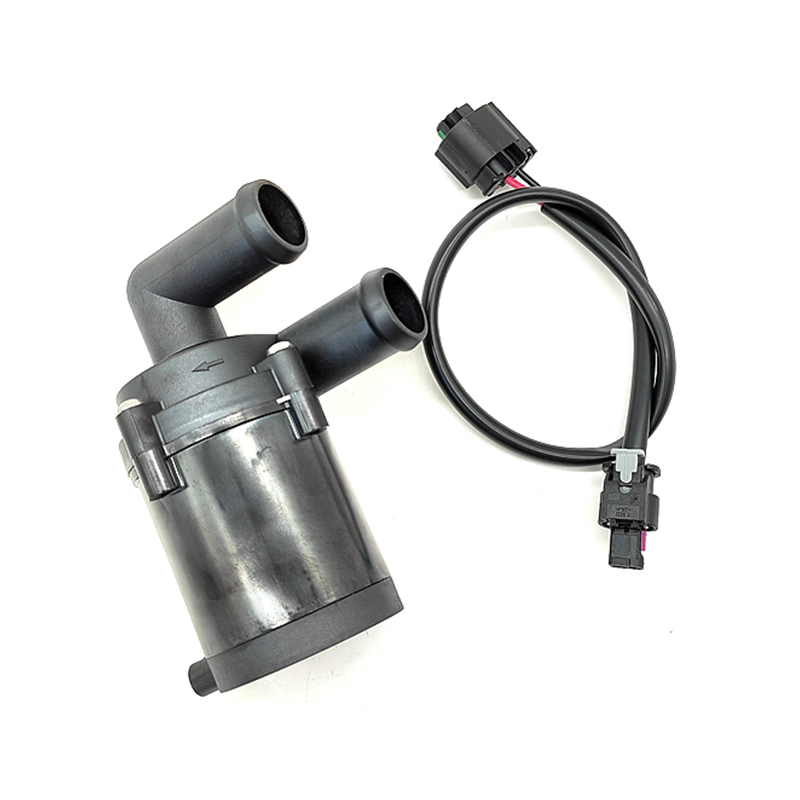
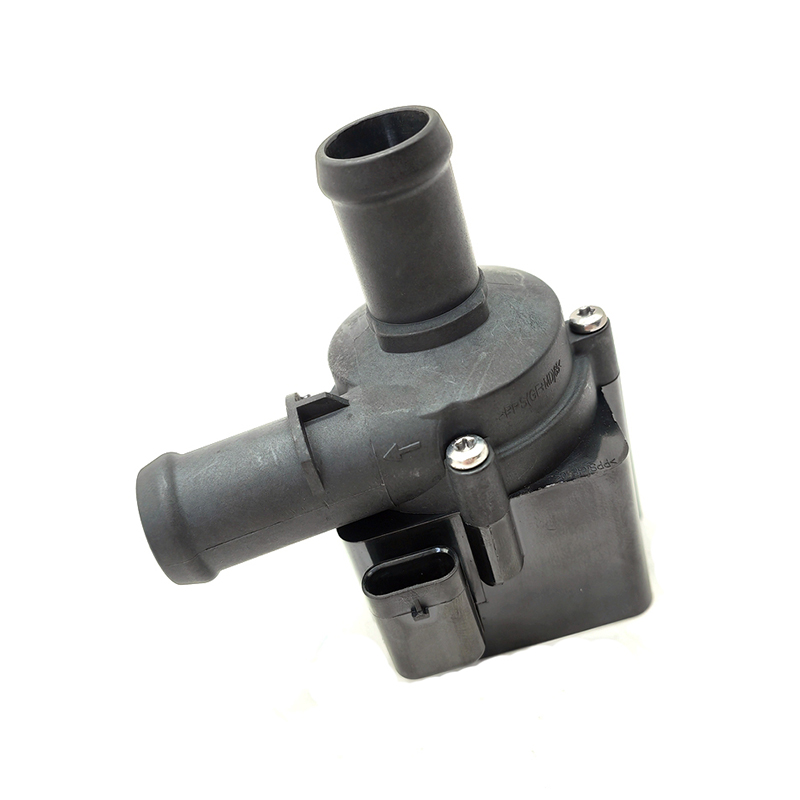
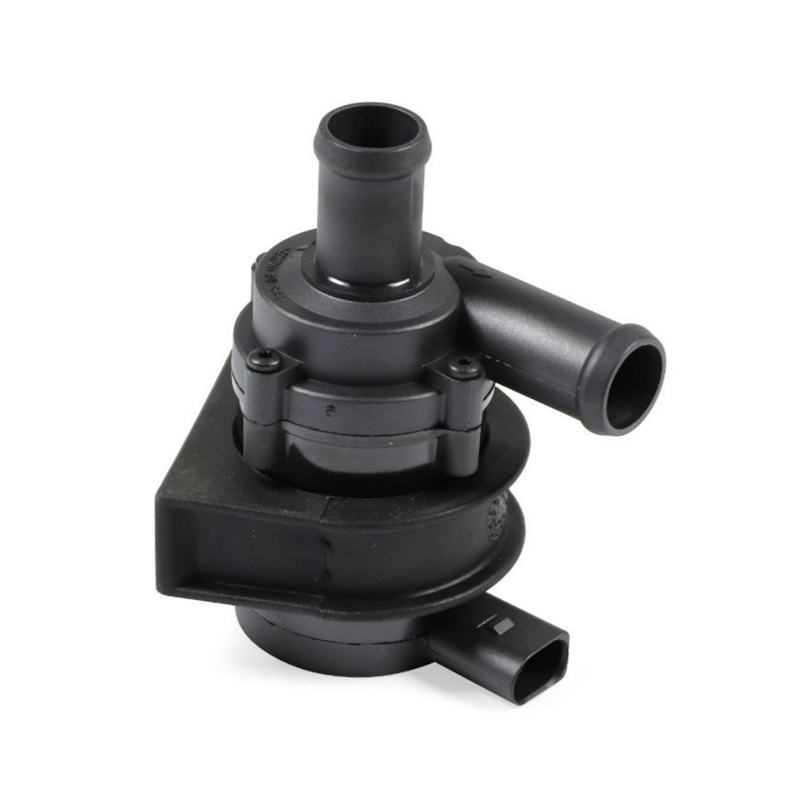
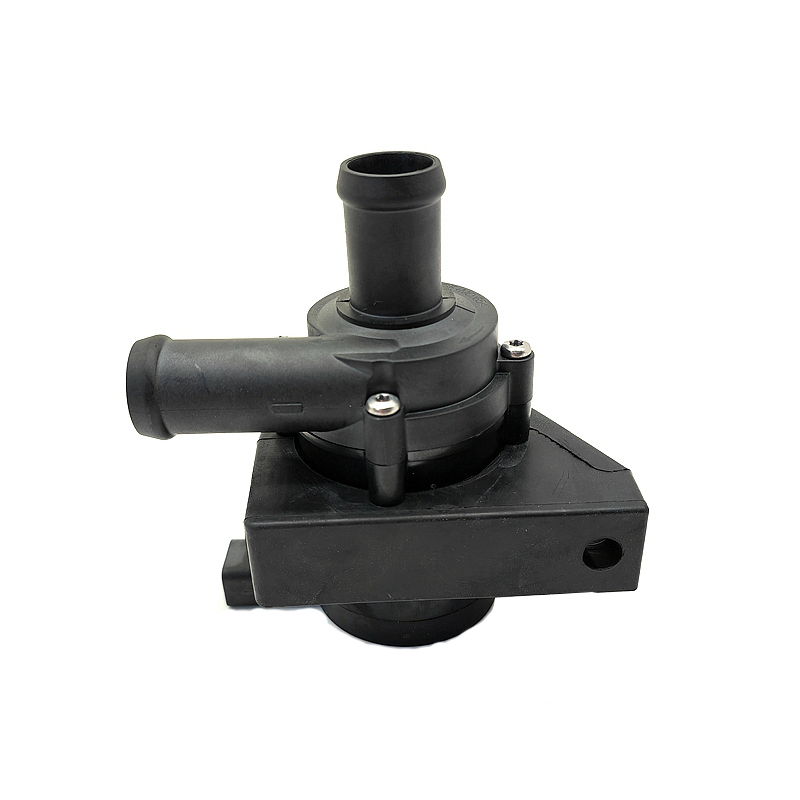
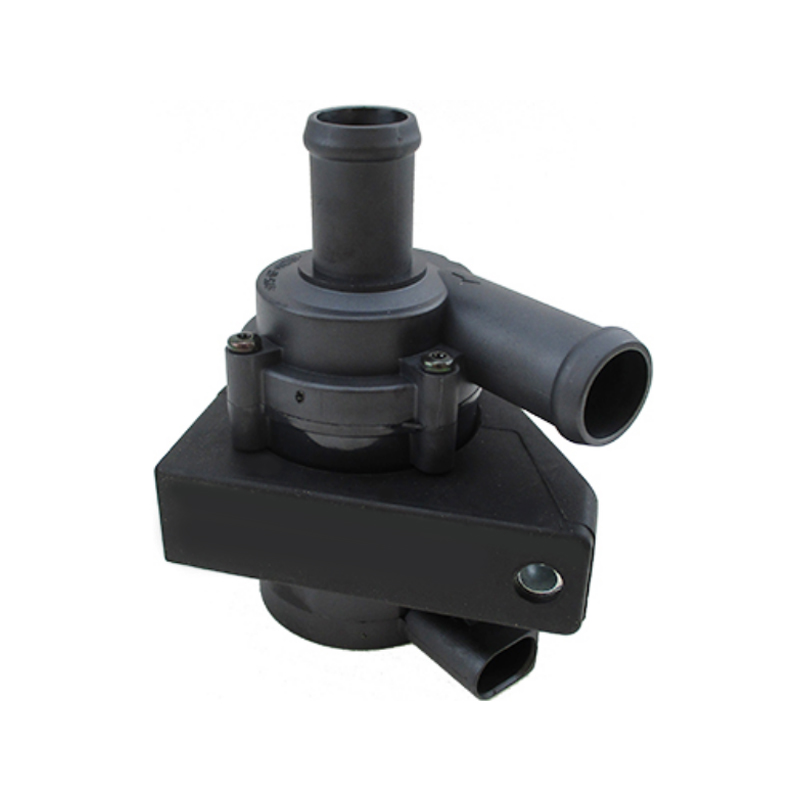
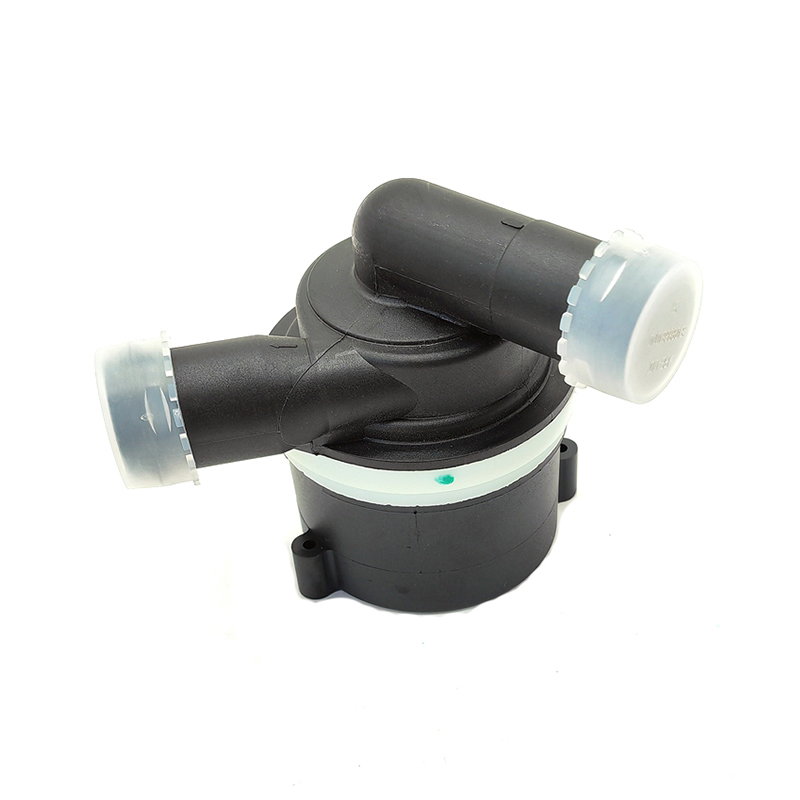
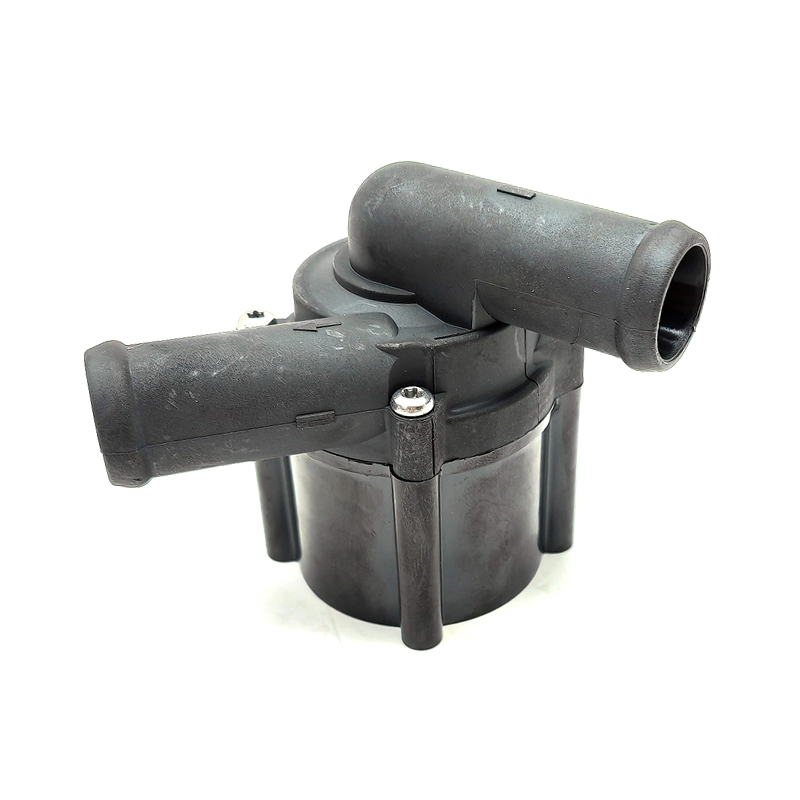
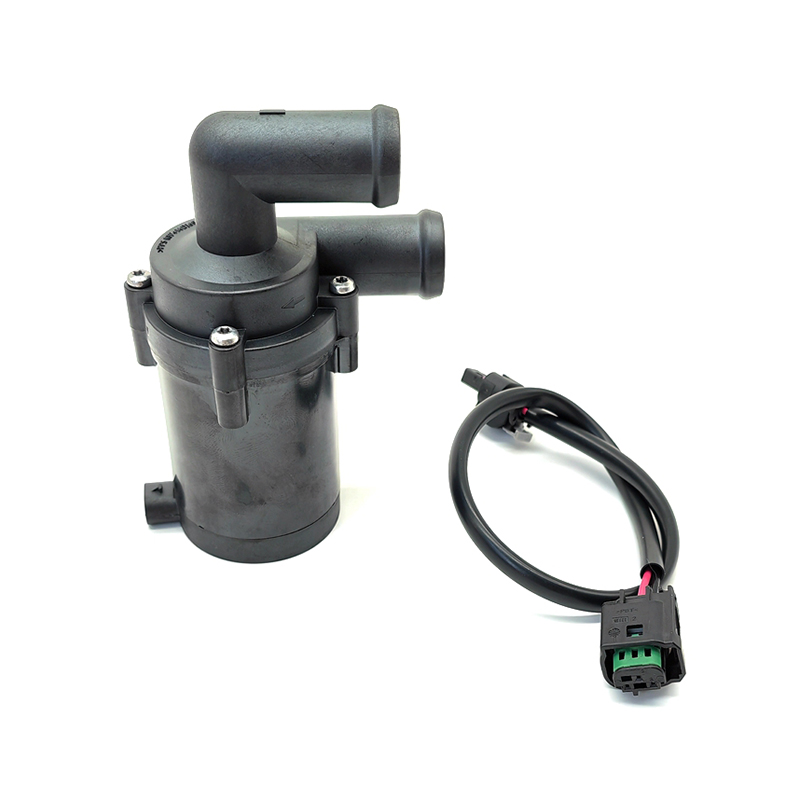
As automotive thermal management becomes more sophisticated, coolant pumps are expected to work within increasingly complex vehicle architectures. An Auxiliary Water Pump may support cabin heating, turbocharger cooling, battery temperature control, power electronics, or other auxiliary circuits depending on the vehicle design. For an automotive component manufacturer, producing a reliable pump means coordinating hydraulic design, motor performance, mechanical construction, assembly, and testing rather than treating the pump as a single isolated component.
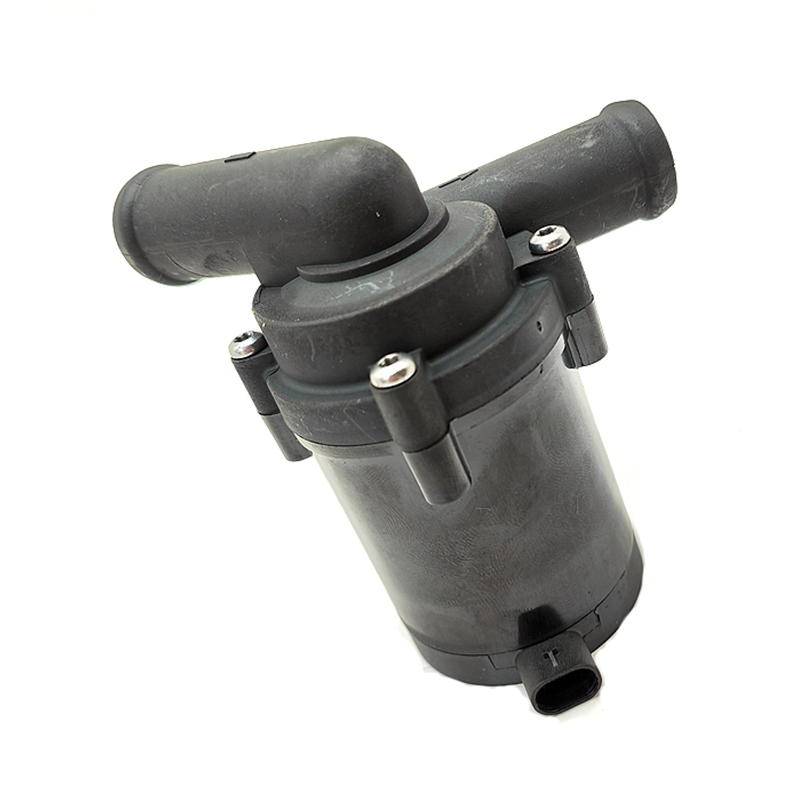
Product Development Starts With the Application
Every vehicle platform can impose different requirements on a coolant pump. Available installation space, coolant routing, electrical supply, operating temperature, and required flow characteristics all influence the final design.
Our development process therefore begins by understanding the intended application. Instead of designing around a single generic specification, we evaluate the relationship between the pump and the customer's thermal circuit. This application-oriented approach provides a practical foundation for developing OEM and customized automotive coolant pump solutions.
Hydraulic Performance Depends on Internal Design
The pump housing and impeller form the core of the hydraulic section. Their geometry affects how coolant enters the pump, moves through the flow path, and exits toward the vehicle's cooling circuit.
A suitable design needs to balance flow requirements with pressure conditions and motor capability. During development, we consider the complete hydraulic structure rather than focusing on flow rate alone. This is especially important when the Auxiliary Water Pump is expected to operate within different thermal circuits or under changing vehicle conditions.
Motor and Pump Need to Work as One System
An electric coolant pump is a combination of mechanical and electrical engineering. The motor must provide the required drive characteristics while remaining compatible with the hydraulic section and intended operating environment.
Modern automotive coolant pump designs increasingly use electronic control to adjust coolant delivery according to thermal demand. Bosch, for example, describes electric coolant pumps with electronically controlled speed regulation and interfaces such as PWM or LIN.
For us as a manufacturer, this means motor selection, pump hydraulics, electronics, and connector configuration need to be considered together during product development.
Assembly Accuracy Supports Product Consistency
Even a well-designed pump can encounter problems if manufacturing variation affects critical interfaces or internal components. Housing assembly, rotor and impeller positioning, sealing components, electrical connections, and mounting interfaces all need to maintain the intended relationship.
Our production process focuses on controlling these details from component preparation through final assembly. Consistent manufacturing is particularly important for OEM projects because the same pump must repeatedly fit the customer's vehicle-side connections and operate within the expected performance range.
Testing Is Part of the Manufacturing Process
For an automotive component manufacturer, testing should not simply be the final step before shipment. It provides feedback on whether the manufactured pump performs according to its intended design.
Depending on the product and customer requirements, manufacturing evaluation can involve areas such as:
- Hydraulic performance and coolant circulation
- Motor operation and electrical response
- Sealing and leakage inspection
- Operating noise and vibration
- Functional performance under specified conditions
These checks help connect product development with actual production quality and provide a basis for improving consistency during mass manufacturing.
Designing for Different Vehicle Platforms
The same basic pump concept may need to serve different vehicle applications. Passenger vehicles, commercial vehicles, hybrid platforms, and electric vehicles can have different thermal architectures and electrical requirements.
Current industry solutions already cover coolant circulation for batteries, electric motors, power electronics, turbochargers, charge-air coolers, and auxiliary heating circuits.
Our manufacturing capability allows product configurations to be developed around specific customer requirements, including mounting structures, hydraulic connections, electrical interfaces, and other application-related parameters. This gives OEM and Tier suppliers greater flexibility when adapting an Auxiliary Water Pump to a particular vehicle platform.
OEM Customization Connects Engineering With Production
Customization is most effective when the manufacturer can take responsibility from initial design through production. Changing a connector or mounting point is only one part of an OEM project; the modification also needs to remain compatible with assembly, testing, quality control, and repeat production.
As an automotive component manufacturer, we integrate engineering development with manufacturing and inspection to support these requirements. Our goal is to turn application specifications into a pump that can be produced consistently rather than creating a prototype that is difficult to transfer into volume production.
Building Pumps for the Next Generation of Thermal Management
The increasing use of electronically controlled and integrated thermal-management systems is changing what automotive customers expect from coolant pump suppliers. Pumps are becoming more closely connected with vehicle control systems and can serve a wider range of thermal circuits.
For OEMs, Tier suppliers, and engineering teams, choosing an Auxiliary Water Pump manufacturer is therefore also a decision about development and manufacturing capability. By combining hydraulic engineering, motor integration, precision assembly, functional testing, and application-specific customization, we develop automotive Auxiliary Water Pump solutions designed not only to meet a specification, but also to move reliably from engineering development into repeatable production.
 View More >>
 View More >>
 View More >>
 View More >>
 View More >>
 View More >>
 No. 58, Aimin Road, Tangxia Town, Ruian City, Wenzhou City, Zhejiang, China
 +86-577-66082028
 +86-18966257799
