


 English
 русский
 Español
For many car owners and maintenance planners, understanding the expected lifespan of an auxiliary cooling pump is an important part of keeping a reliable vehicle. As a key member among Business Auto Parts that supports secondary coolant flow and thermal comfort systems, this electric pump handles tasks the main water pump doesn’t always address — such as low-RPM circulation and post-shutdown temperature control. Naturally, many users ask how long these pumps last under normal conditions, and what signs indicate they’re nearing the end of their service life.
At Wenzhou Xinhao Auto Parts Co., Ltd., we deal with auxiliary cooling systems and replacement parts regularly. From wear patterns to environmental influences, several factors determine how long an auxiliary pump remains effective before it needs servicing or replacement.
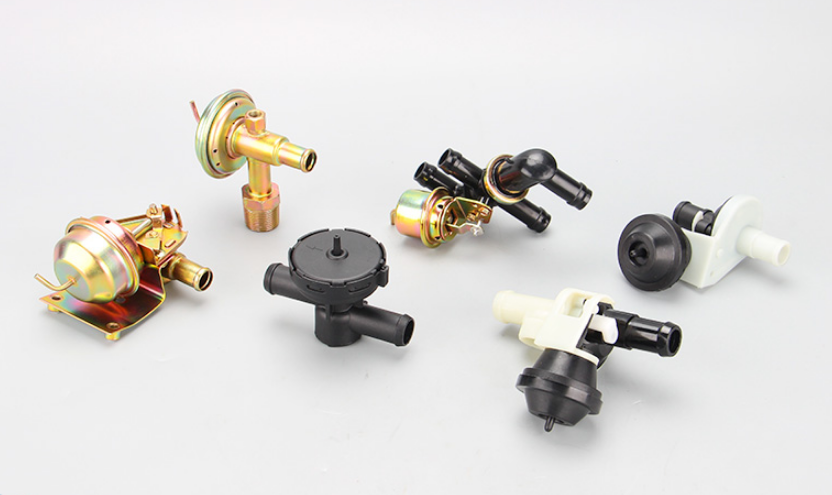
What Is an Auxiliary Cooling Pump and Why It Matters
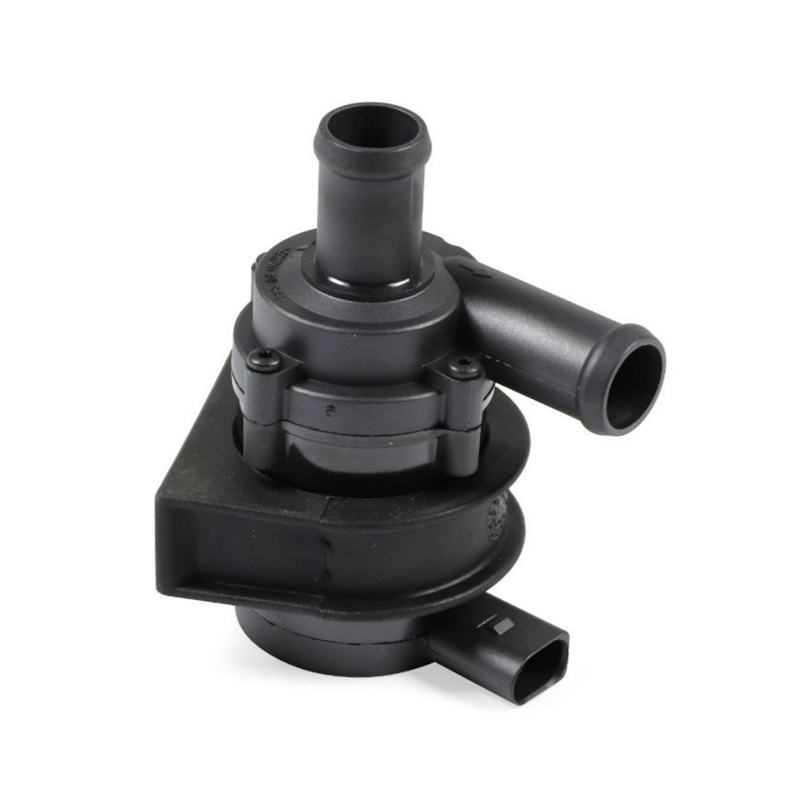
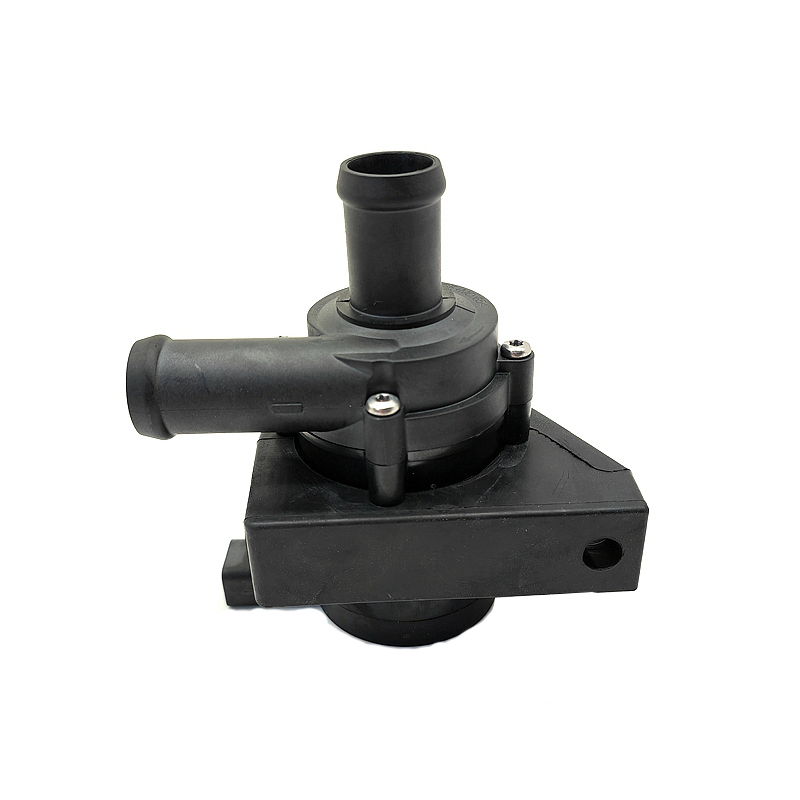
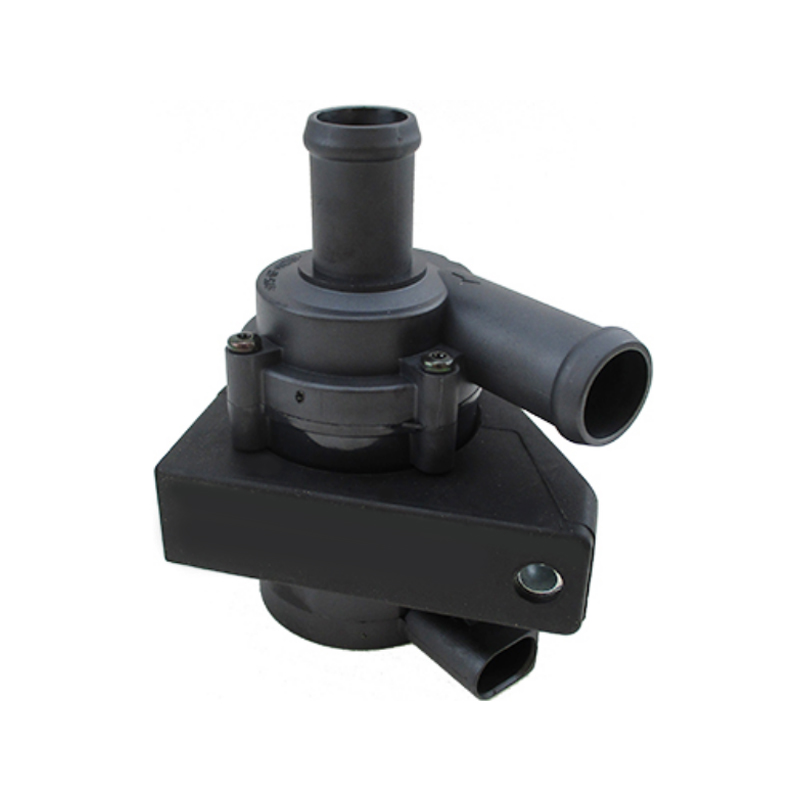
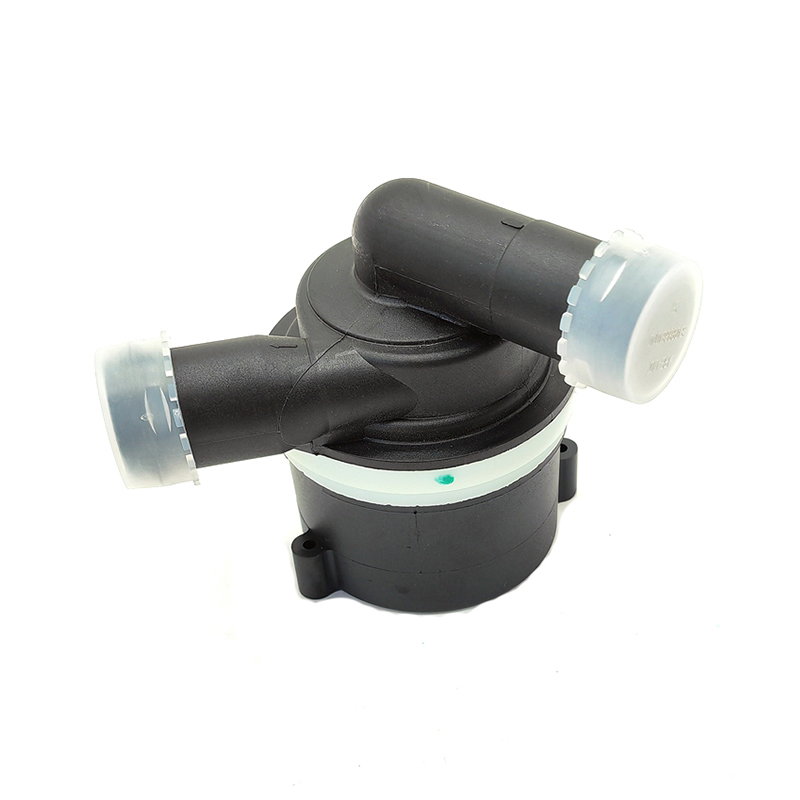
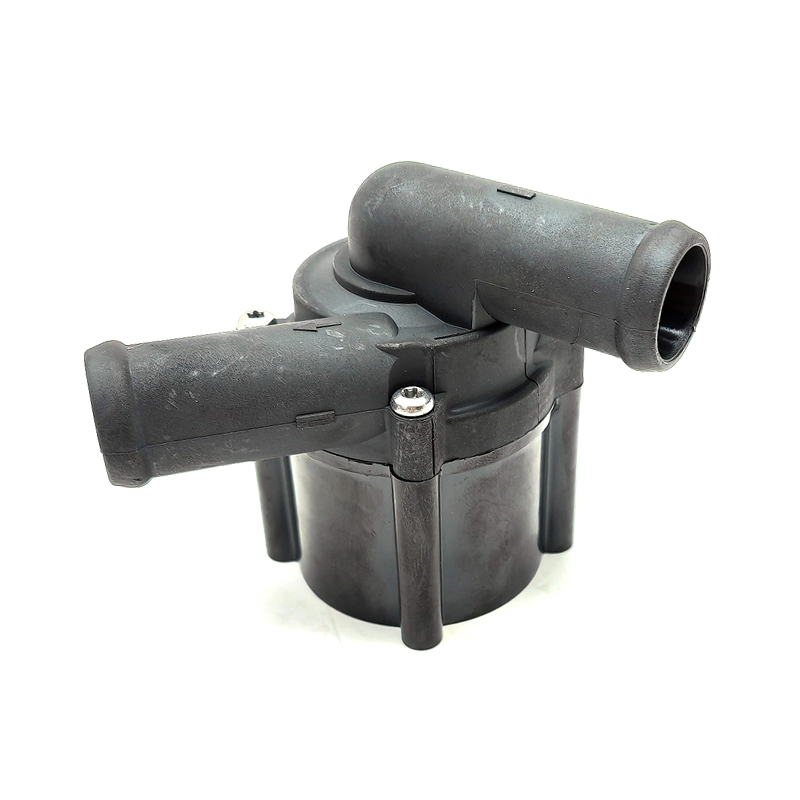
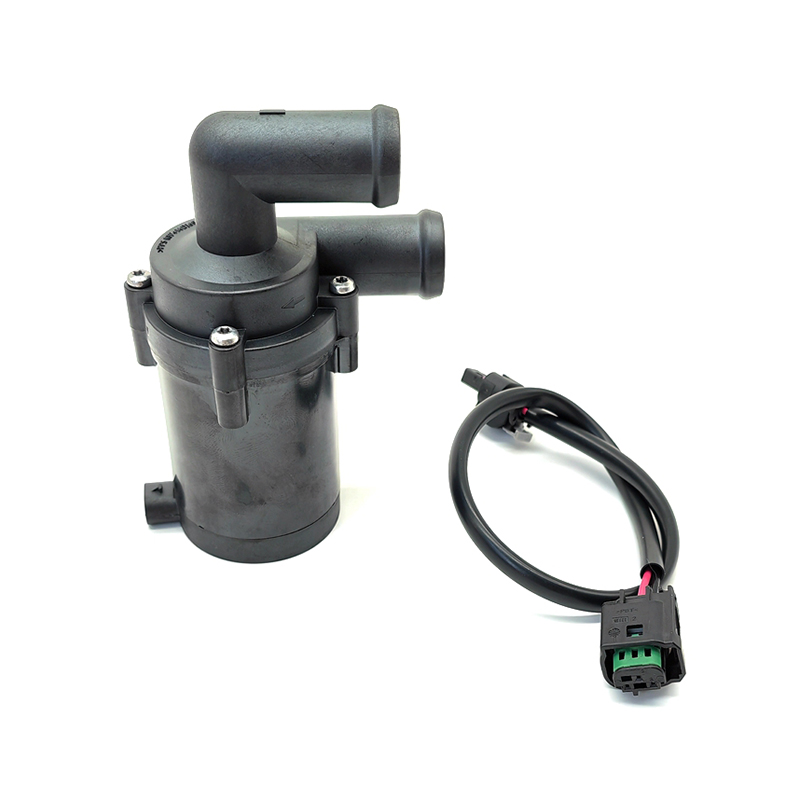
An auxiliary cooling pump is an electrically driven unit that assists the main water pump by circulating coolant through secondary circuits. It may feed the heater core during idle, support turbocharger cooling after shutdown, or help circulate coolant for hybrid battery or transmission cooling systems. Because it works in these specialized roles, it often operates independently of engine speed and continues cycling even after the engine is turned off.
Unlike a belt-driven main pump, the auxiliary pump’s electric motor and internal seals are subject to unique stresses, particularly from thermal cycling and frequent activation in stop-and-go traffic. As a result, its expected life can vary more noticeably than that of larger cooling components.
Typical Lifespan Estimates
There is no universal number for how many miles or years an auxiliary cooling pump will last, but experienced technicians and parts suppliers offer useful benchmarks:
Normal driving conditions: In many cases, auxiliary pumps can last roughly 80,000 to 150,000 miles or 6 to 10 years before showing reliability issues.
Urban commuter use: Frequent short trips, heavy traffic, and low-speed idling increase pump cycles, which can slightly shorten lifespan.
Harsh environments: High heat, dusty conditions, or frequent towing can accelerate wear on electric motors and seals.
These estimates are based on typical service life patterns for electric coolant pumps in mainstream passenger vehicles. Individual results vary widely depending on usage patterns and maintenance history.
Why Lifespan Varies
Several factors influence the effective longevity of an auxiliary cooling pump:
1. Operating Frequency
Unlike the main water pump, the auxiliary pump may activate even when the engine is off — such as to prevent “heat soak” in turbochargers or to circulate coolant during long stops. Vehicles with stop-start systems or heavy urban traffic see more pump cycles, increasing wear on brushes, bearings, and seals over time.
2. Coolant Quality and Maintenance
Dirty or degraded coolant accelerates corrosion within the pump housing and can abrade internal components. Following proper coolant change intervals and sticking to manufacturer-specified fluid types helps preserve seal integrity and pump internals.
3. Thermal Cycling
Repeated heating and cooling cycles cause rubber seals and elastomers inside the pump to harden and crack. Over the years, this thermal stress is one of the main drivers of seal leaks and performance degradation.
4. Electrical System Stress
Because the auxiliary pump relies on wiring and control signals from the engine control module (ECM), voltage fluctuations, short circuits, or connector corrosion can affect performance and shorten service life.
Common Signs the Pump Is Nearing End of Life
While lifespan figures offer a general idea of longevity, real-world clues often indicate a pump nearing failure. Look out for:
- Unusual noise: High-pitched buzzing, whirring, or clicking sounds from the auxiliary pump area can signal worn bearings or electrical issues.
- Weak cabin heat: If the heater blows lukewarm air at idle or during cold starts, reduced coolant circulation could be the cause.
- Intermittent operation: Pumps that run oddly after engine shutdown or continue too long may be responding to internal faults or failing control circuits.
- Coolant level drops: Repeatedly topping off coolant without obvious external leaks can indicate internal leakage around the pump seals.
Responding to these early signs allows you to plan maintenance and avoid unexpected downtime.
Maintenance Tips to Extend Pump Life
Although electric coolant pumps inevitably wear out over time, the following practices help them last longer:
- Regular coolant changes: Fresh coolant reduces corrosion and sediment buildup that abrades internal parts.
- System flushing: Periodically flushing the entire cooling circuit ensures cleaner fluid and reduces clogging potential.
- Proper diagnostics: Pay attention to temperature gauge patterns and unusual noises early, rather than waiting for pump failure.
 View More >>
 View More >>
 View More >>
 View More >>
 View More >>
 View More >>
 No. 58, Aimin Road, Tangxia Town, Ruian City, Wenzhou City, Zhejiang, China
 +86-577-66082028
 +86-18966257799
