


 English
 русский
 Español
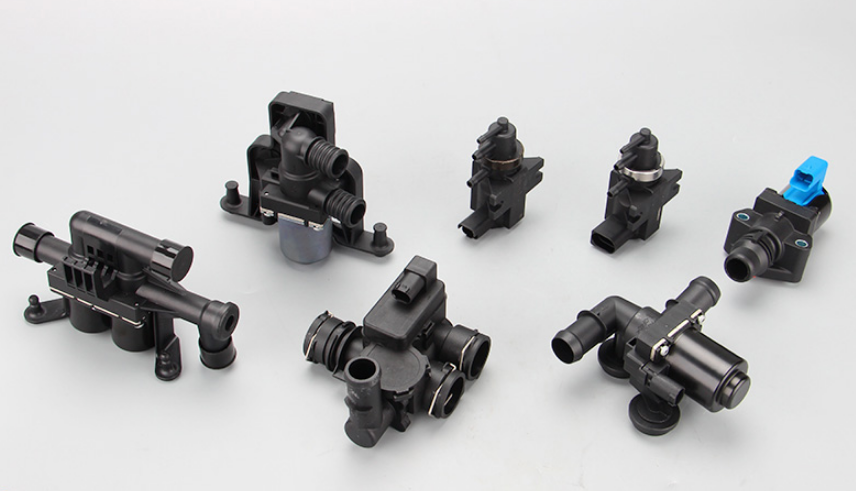
Coolant leaks under a vehicle are always a concern for drivers and technicians alike, but not all leaks come from the same source. Among common Business Auto Parts, the auxiliary cooling pump — a secondary electric coolant circulation device — plays an important role in vehicle temperature control and heater performance. Recognizing whether a coolant drip is related to the auxiliary cooling pump can help you avoid bigger problems down the road.
How an Auxiliary Cooling Pump Can Leak
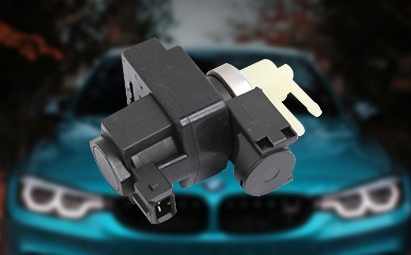
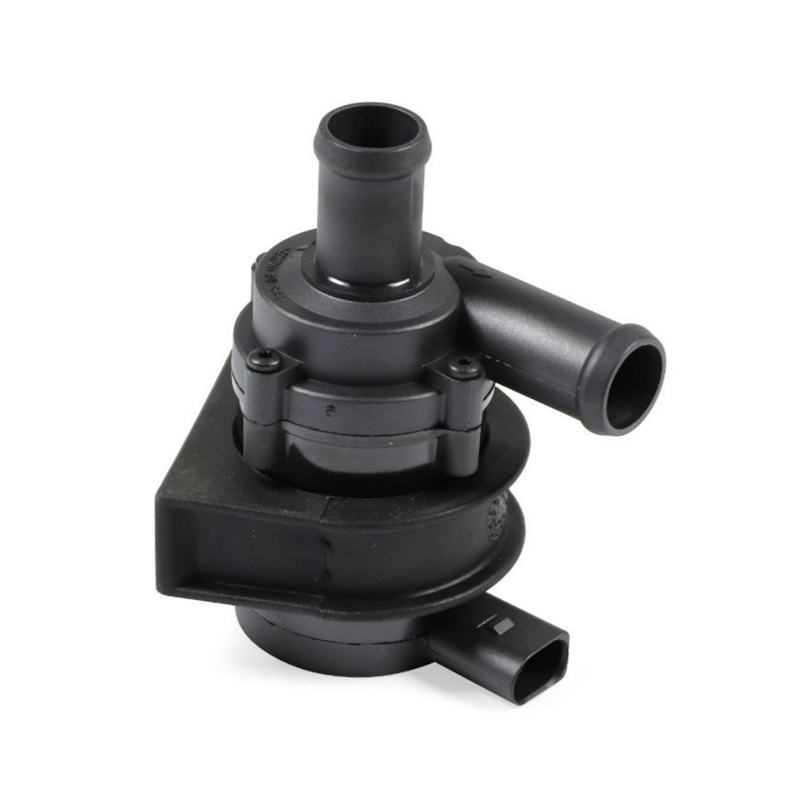
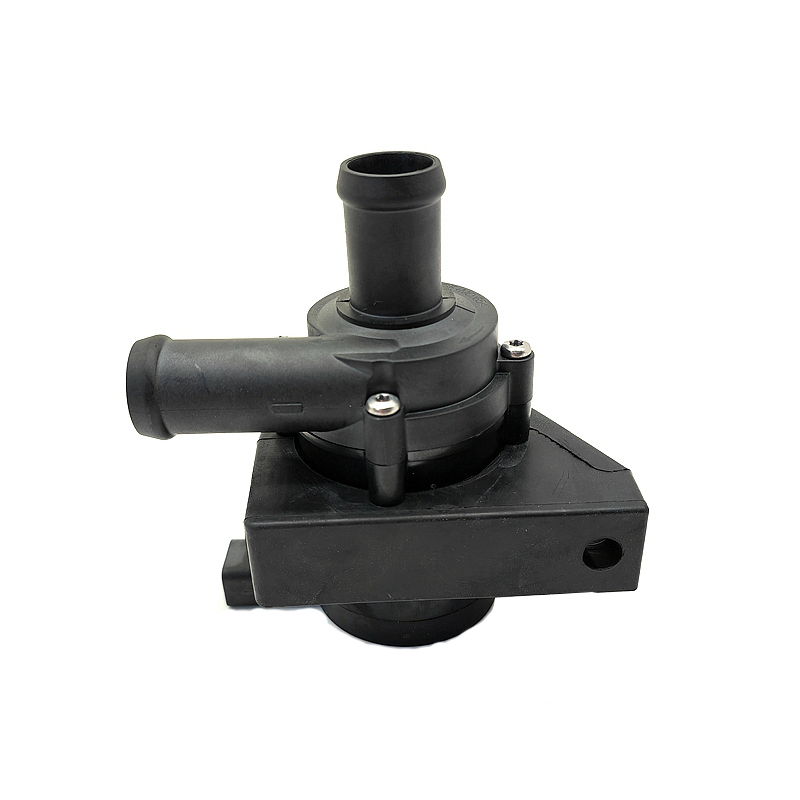
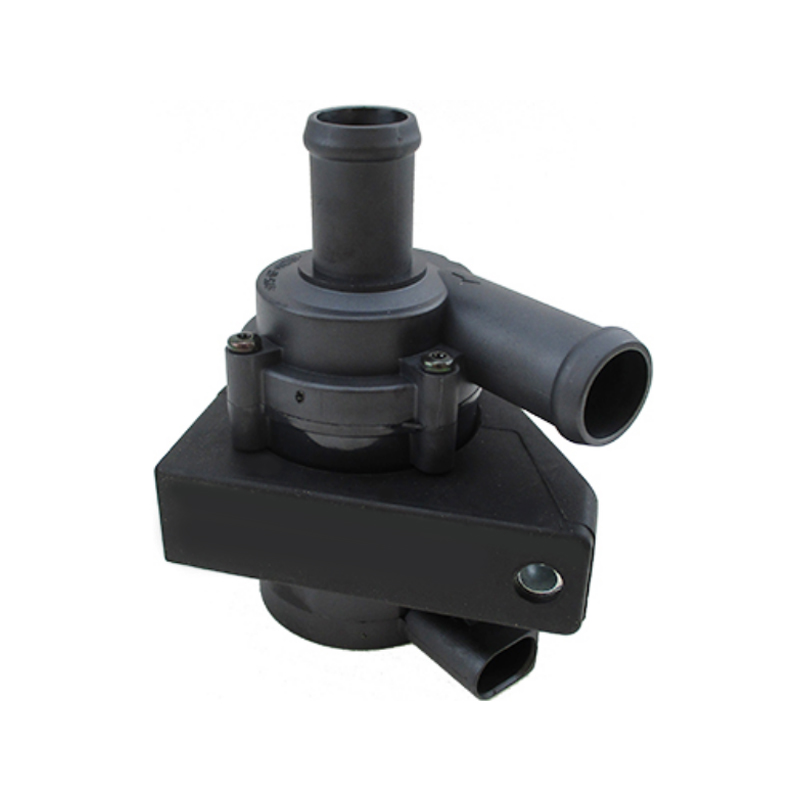
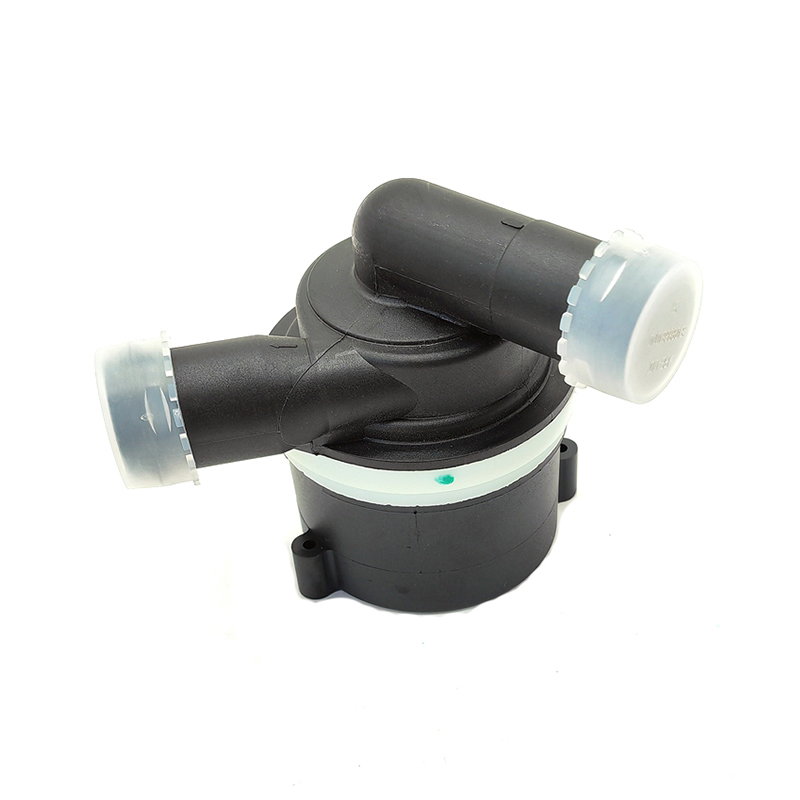
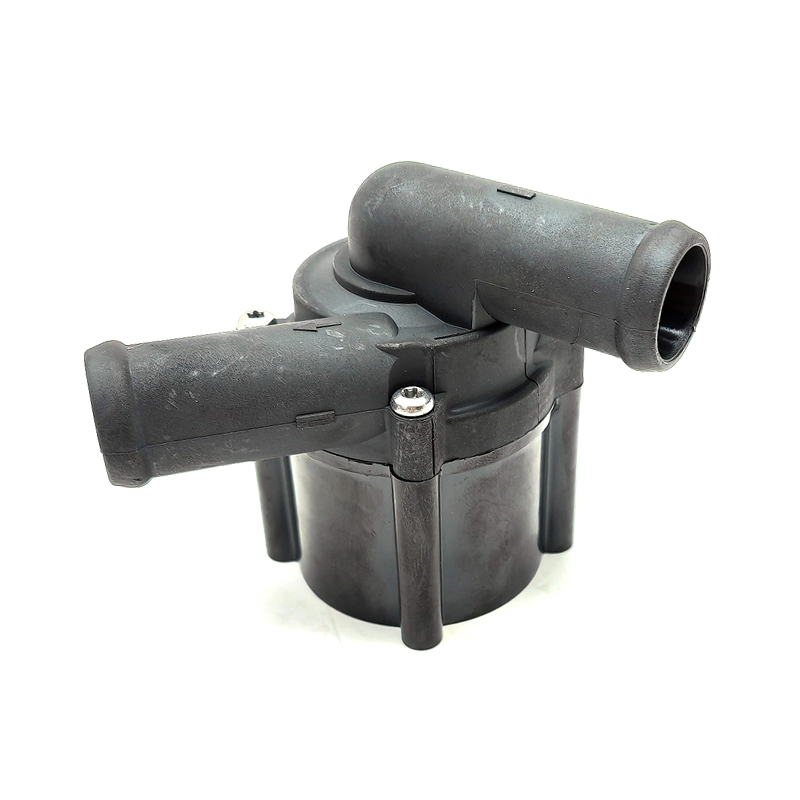
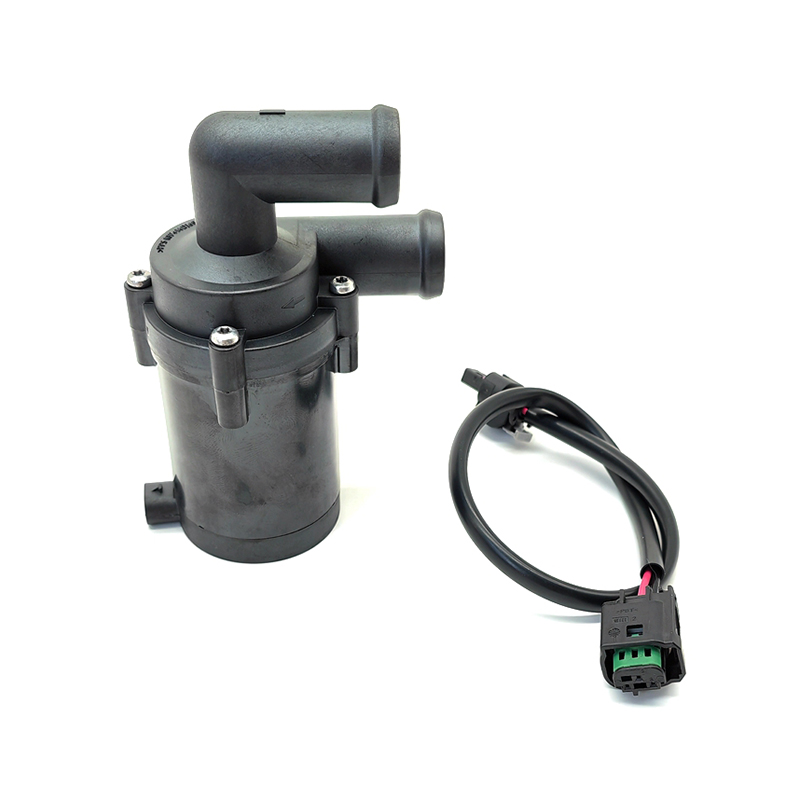
Unlike the main engine water pump, the auxiliary cooling pump is typically an electric-driven unit that helps move coolant through a bypass circuit at idle or in low-speed conditions. When seals degrade or internal corrosion occurs inside the pump housing, coolant can escape through weep holes or loose connections. Visible residue on or near the pump body — often pink, orange, or green fluid — indicates that leakage is happening close to the pump itself, and not merely elsewhere in the cooling system.
Pump seal failure and bearing wear are common mechanical reasons for this leakage. Constant thermal cycling — the process of heating up the coolant system and then cooling down again — gradually hardens rubber seals and weakens metal housings. Over time, this daily stress can break the fine seal between moving parts, allowing coolant to seep out during operation.
What Visible Coolant Means
A few drops of coolant on the garage floor may seem minor, but in many cases it indicates an internal fatigue point within cooling system components. If you spot coolant pooling directly beneath the location of the auxiliary cooling pump, there’s a good chance the pump’s own seals are failing. Leaks often leave trace marks even after the vehicle has been parked: dried coolant residue along pipes or around the pump itself provides visual confirmation that this area deserves closer inspection.
Other Clues That Point to the Pump
Leak detection alone isn’t always enough — you’ll want to correlate the leakage with other signs of a failing auxiliary cooling pump to confirm the diagnosis:
- Unusual Noises Near the Pump Location — Grinding, squealing, or whining sounds can indicate worn bearings inside the pump or impeller issues. Pumps that begin to fail mechanically often make noise before they leak.
- Coolant Level Dropping Quickly — If you find yourself topping off the coolant frequently with no obvious leak elsewhere, the pump’s internal seal may be gradually losing integrity and releasing coolant into the engine bay.
- Weak Heater Performance — A failing auxiliary pump that leaks may also struggle to circulate coolant effectively through the heater core, resulting in weak warmth at idle even though the engine is fully warmed up.
These symptoms together help distinguish between leaks from hoses, radiator cracks, or thermostat housing failures and issues specifically tied to the auxiliary pump.
Why Ignoring a Leak Can Be Risky
Coolant isn’t just a filler fluid — it regulates temperature throughout the engine and protects vulnerable parts from overheating or corrosion. A steady but slow leak, especially around a crucial part like the auxiliary cooling pump, can contribute to lower overall coolant volume. When coolant levels drop excessively, you may experience engine temperature spikes, reduced heater performance, or even catalytic converter damage in extreme cases.
Moreover, leaking coolant near electrical connections or control modules (common for electric pumps) can contribute to further electronic faults or short circuits. Promptly addressing such leaks helps prevent cascading issues that extend beyond the pump itself.
Practical Steps for Diagnostics
To confirm whether a leak originates from the auxiliary cooling pump:
- Inspect the Pump Area – With the engine cooled, visually inspect the pump body and its mounting area. Look for fresh fluid and dampness around seals or hose connections.
- Check Coolant Color and Quality – Healthy coolant should have a vibrant color, not appear rusty or murky. Discolored fluid often signals internal wear or contamination that accelerates pump seal failure.
- Monitor Coolant Levels Over Time – Mark the current level and track how quickly it drops. Rapid loss usually means you have an active leak rather than minor evaporation.
Working with a trained technician or using diagnostic tools can help verify whether the auxiliary cooling pump is the true source of the leak. Replacing it with a quality unit ensures continued circulation and maintains heat distribution throughout your vehicle’s cooling circuits.

 View More >>
 View More >>
 View More >>
 View More >>
 View More >>
 View More >>
 No. 58, Aimin Road, Tangxia Town, Ruian City, Wenzhou City, Zhejiang, China
 +86-577-66082028
 +86-18966257799
