


 English
 русский
 Español
As vehicle thermal management systems become increasingly dependent on electric components, noise and vibration are receiving more attention from automotive engineers and aftermarket buyers. An Auxiliary Water Pump is expected to maintain coolant circulation under different operating conditions, but its acoustic behavior can also influence overall vehicle comfort. This is particularly relevant in hybrid and electric vehicles, where the quieter cabin makes sounds from supporting components easier to notice. For buyers sourcing automotive cooling components, understanding the factors behind pump noise can help improve product evaluation and long-term application reliability.
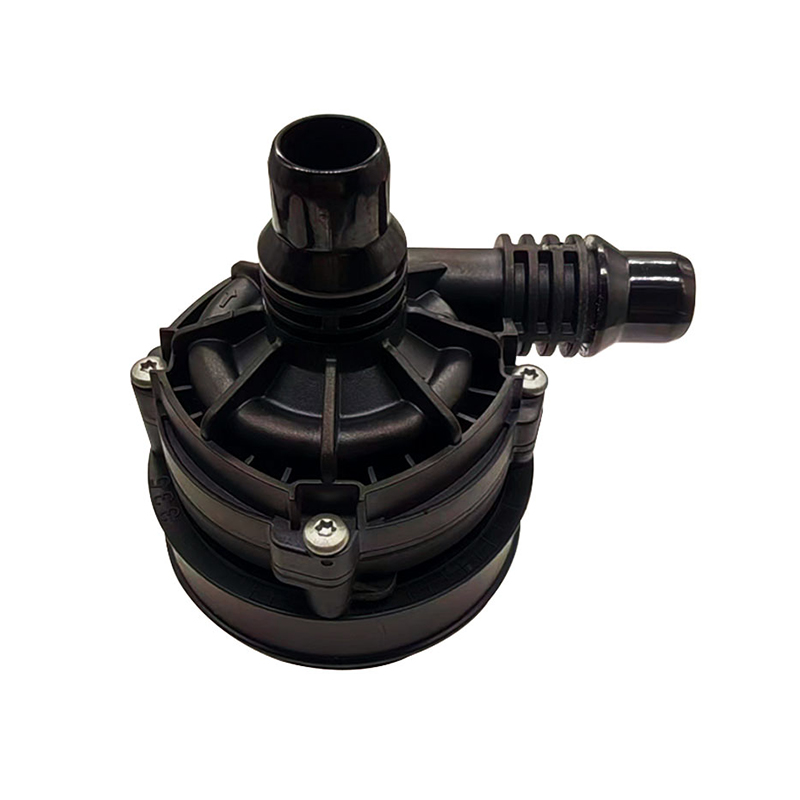
Electric Vehicles Make Pump Noise More Noticeable
In conventional vehicles, engine noise can mask some of the sounds produced by auxiliary components. Electric vehicles operate with a different acoustic environment. Without continuous combustion noise, high-frequency motor sounds, coolant flow noise, and small vibrations may become more noticeable to drivers and passengers.
This change makes NVH performance an important consideration when evaluating an electric Auxiliary Water Pump. Buyers supplying EV and hybrid vehicle applications should therefore look beyond basic hydraulic performance and consider how the pump operates within the complete vehicle system.
What Causes Noise During Pump Operation?
Pump noise can originate from several interacting factors rather than a single component. Motor electromagnetic excitation, impeller movement, bearing conditions, and fluid dynamics may all contribute to acoustic output.
For example, an unbalanced rotating assembly can generate vibration, while unstable coolant flow or air trapped in the circuit may produce additional noise. Changes in motor speed can also affect the pump's acoustic characteristics. These factors make consistent component design and suitable operating conditions important throughout product development.
Installation Structure Can Amplify Vibration
Even when a pump operates smoothly on a test bench, its installed performance may differ. Mounting brackets, nearby metal structures, coolant hoses, and the surrounding thermal management module can influence how vibration travels through a vehicle.
A rigid mounting connection may transmit more vibration to adjacent components. In some applications, the bracket or integrated module may even amplify certain frequencies through structural resonance. Engineers should therefore consider the pump and its installation environment as a combined system rather than evaluating the component in isolation.
Why Operating Conditions Matter
An Auxiliary Water Pump may work under different speeds, temperatures, and coolant flow requirements. Its noise characteristics can change as operating conditions vary.
A useful evaluation should consider:
- Startup and shutdown behavior, including sudden changes in operating noise.
- Low-, medium-, and high-speed operation.
- Coolant flow stability under different system demands.
- Vibration during continuous and intermittent operation.
- Performance under relevant temperature and pressure conditions.
These checks help buyers understand whether a pump can maintain consistent operation across its intended application range.
Testing Should Cover More Than Hydraulic Performance
Flow rate and pressure remain essential performance indicators, but they do not provide a complete picture of pump quality. For development and supplier evaluation, acoustic and vibration testing can provide additional information about operating behavior.
Depending on the project requirements, testing may include sound measurement, vibration monitoring, speed variation analysis, and inspection under different operating conditions. Recent automotive NVH research also highlights the value of component-level characterization and system-level analysis, helping engineers identify whether noise originates from the pump itself or from its surrounding structure.
Material and Assembly Consistency Support Long-Term Performance
Noise and vibration are also connected to manufacturing consistency. Differences in component dimensions, rotating-part balance, bearing assembly, and housing fit may influence how a pump performs over time.
For automotive component manufacturers, maintaining consistent production processes is therefore important. Buyers can discuss inspection arrangements, operating-condition tests, and product validation requirements with suppliers before establishing a sourcing relationship. The specific evaluation criteria should match the intended vehicle platform and application requirements.
Choosing an Auxiliary Water Pump with a Broader Quality Perspective
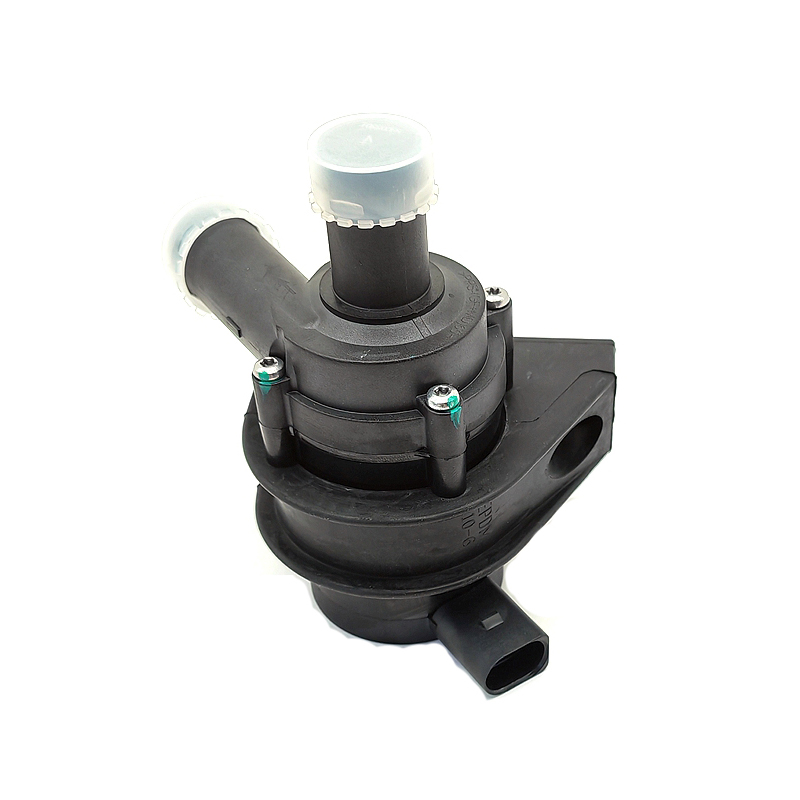
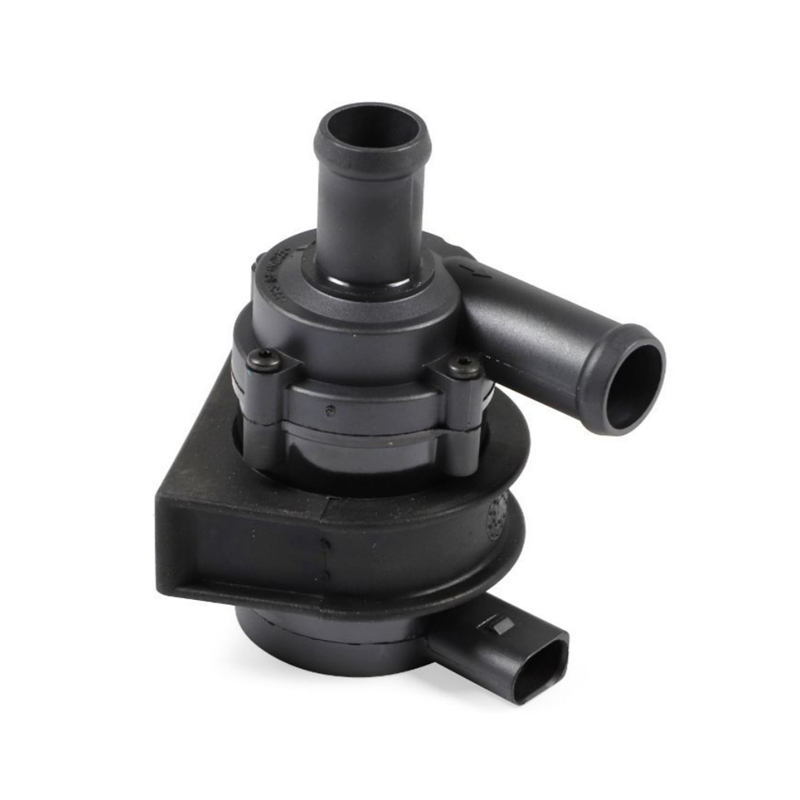
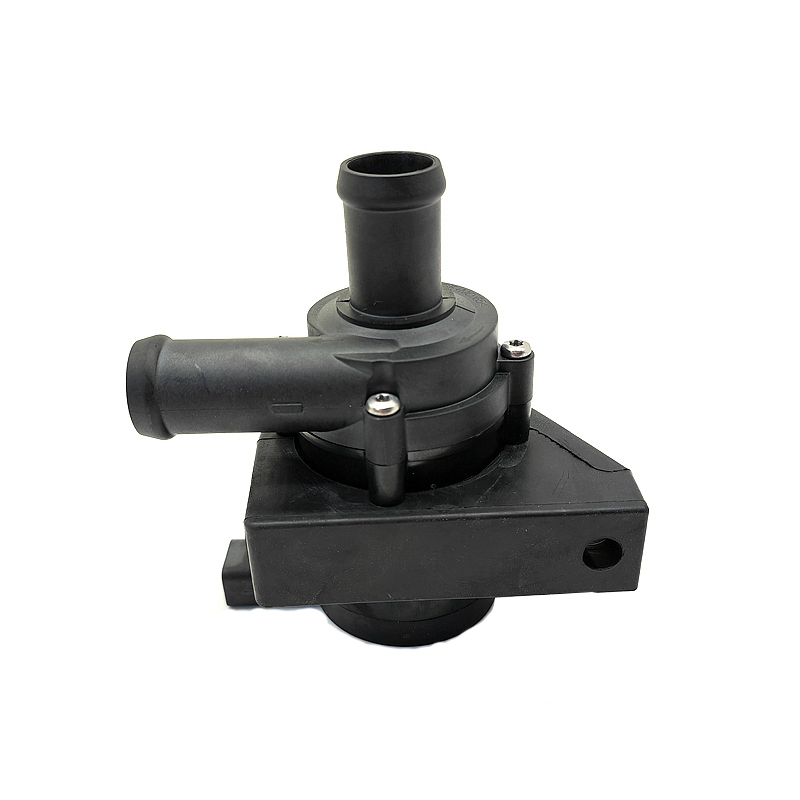
As automotive thermal management systems continue to evolve, the role of the Auxiliary Water Pump extends beyond coolant circulation. Stable operation, appropriate NVH performance, and compatibility with the surrounding cooling system all contribute to the overall application experience.
For distributors, OEM purchasing teams, and automotive parts suppliers, these factors deserve attention when assessing potential manufacturing partners. Wenzhou Xinhao Auto Parts Co., Ltd. focuses on automotive components, including Auxiliary Water Pump products, and welcomes inquiries from buyers seeking solutions for their vehicle component sourcing needs.
 View More >>
 View More >>
 View More >>
 View More >>
 View More >>
 View More >>
 No. 58, Aimin Road, Tangxia Town, Ruian City, Wenzhou City, Zhejiang, China
 +86-577-66082028
 +86-18966257799

