


 English
 русский
 Español
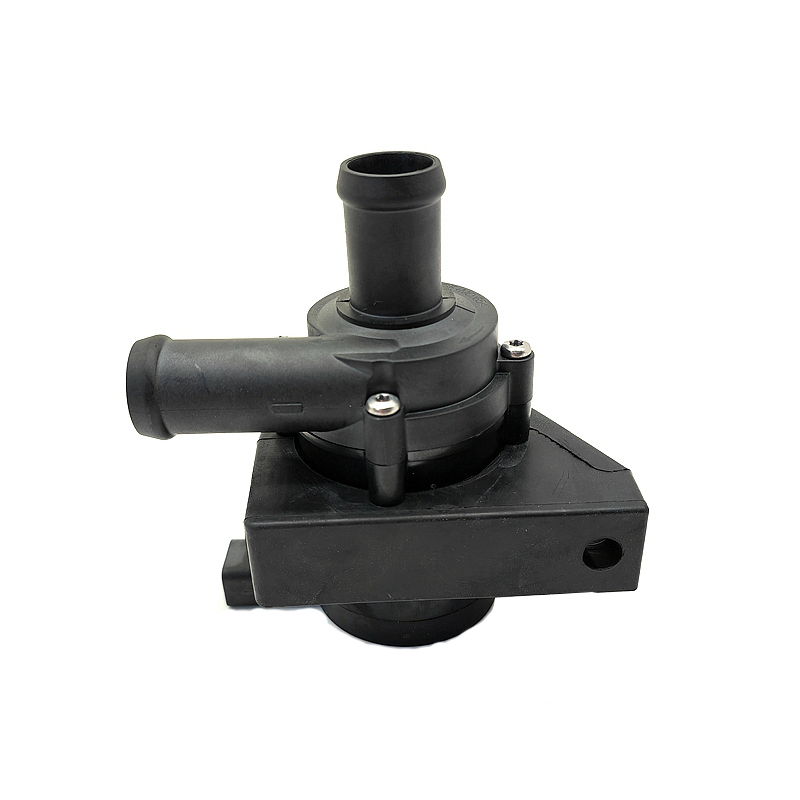
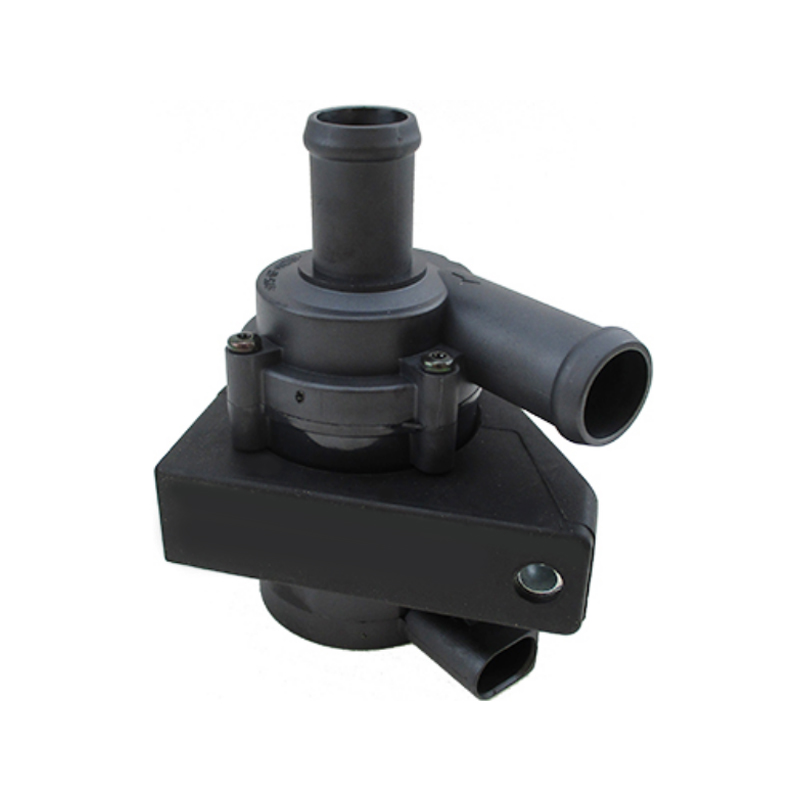
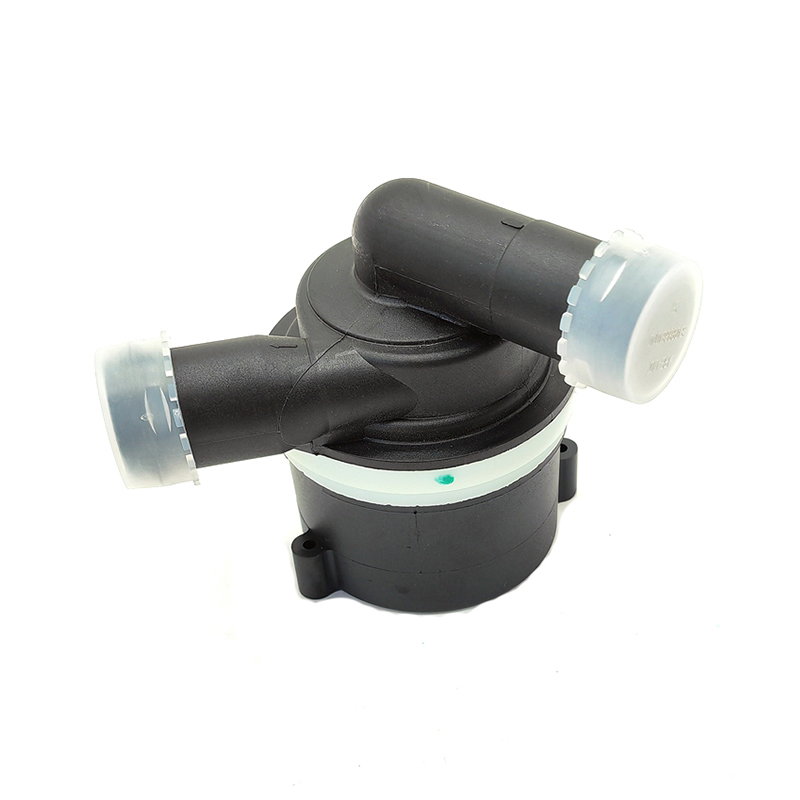
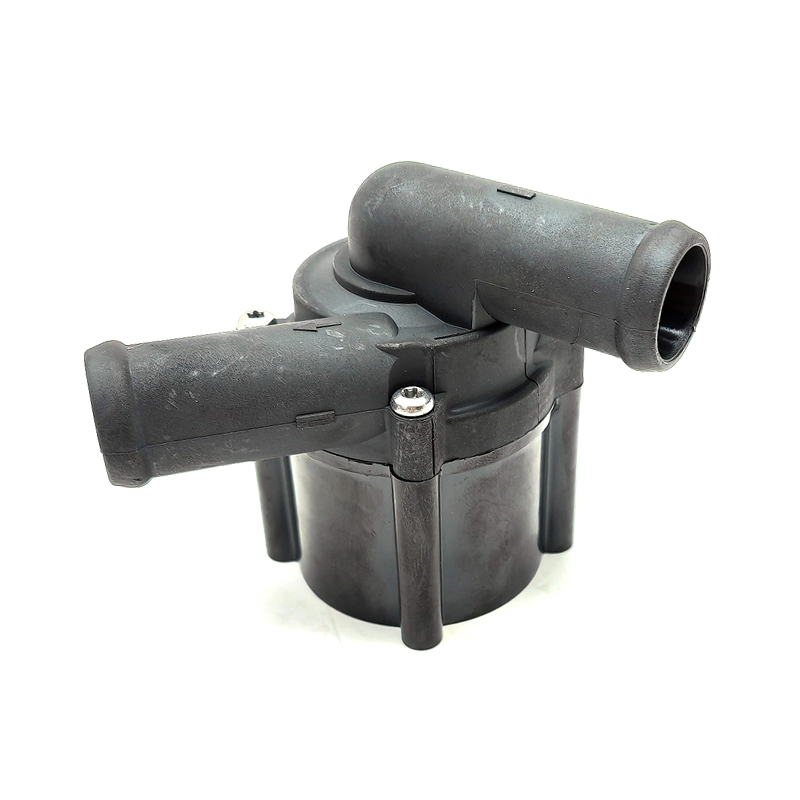
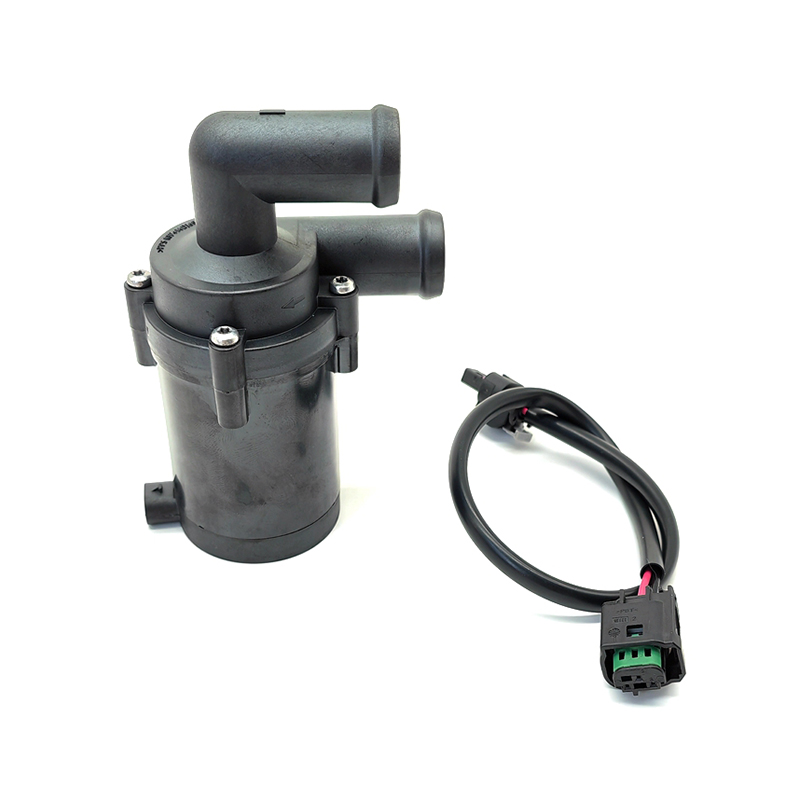
As global automotive design continues to evolve toward energy efficiency, cabin comfort optimization, and intelligent thermal control systems, heating components are receiving increasing attention from OEM buyers and aftermarket suppliers. A Heating Valve Car has become a frequently searched keyword among automotive engineers, HVAC system designers, and procurement teams seeking reliable temperature regulation components for vehicle heating systems. Recent discussions across automotive engineering forums and EV technology communities highlight growing interest in automotive coolant heating control valves, electric vehicle cabin heating regulation systems, and energy-efficient car HVAC valve solutions. Buyers are no longer evaluating heating valves as simple flow-control parts—they are assessing response speed, temperature accuracy, system integration compatibility, and long-term sealing reliability. As a manufacturer, we observe a clear shift toward intelligent automotive thermal management systems that balance comfort, energy efficiency, and system durability.
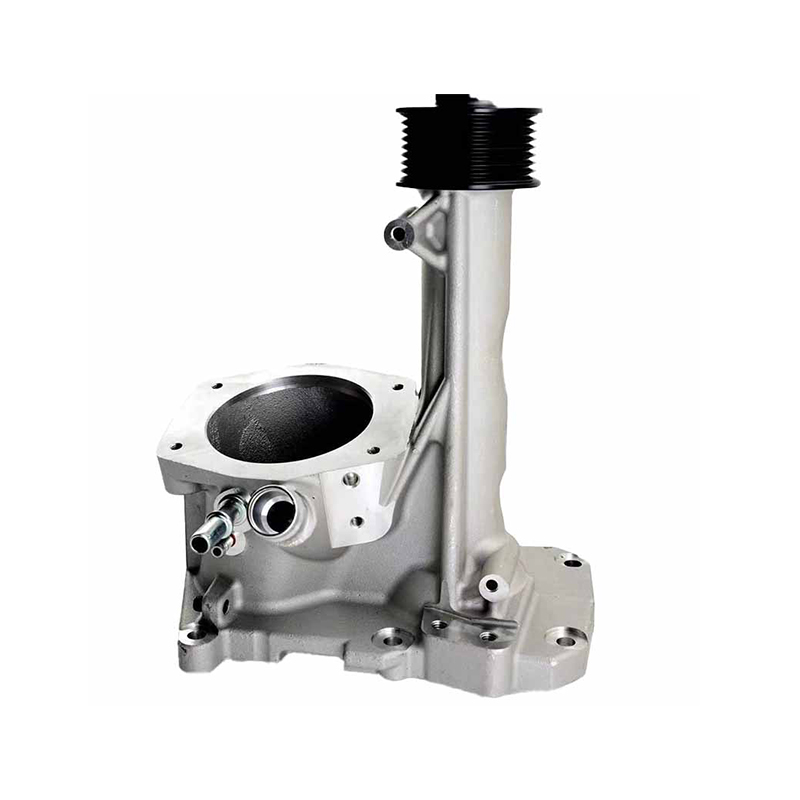
EV Growth Is Reshaping Automotive Heating System Design
The rapid expansion of electric vehicles has significantly changed how heating systems are designed. Unlike traditional combustion vehicles, EVs rely heavily on electrically controlled thermal management systems.
This shift has increased demand for precision heating valves that can regulate coolant flow efficiently while minimizing energy consumption.
Temperature Control Accuracy Is a Core Engineering Requirement
Modern automotive HVAC systems require highly accurate temperature regulation to ensure consistent cabin comfort under different driving conditions and climates.
Key performance expectations include:
- Stable coolant flow regulation under varying load conditions
- Fast response to temperature adjustment signals
- Consistent thermal distribution within HVAC circuits
- Minimal pressure loss during valve operation
- High reliability under continuous cycling conditions
These factors directly impact passenger comfort and overall vehicle efficiency.
Integration with Smart HVAC Systems Is Expanding
Automotive heating systems are increasingly integrated with electronic control units (ECUs) and intelligent climate control systems. This requires heating valves to support precise electronic regulation.
Typical integration features include:
- Compatibility with PWM or electronic control signals
- Real-time adjustment based on cabin temperature sensors
- Coordination with battery thermal management in EVs
- Adaptive flow control based on driving modes
- Diagnostic feedback for system monitoring
This level of integration improves both energy efficiency and user comfort.
Material Performance Under Thermal Stress Matters
Heating valves operate under continuous exposure to hot coolant, pressure fluctuations, and chemical additives. Material durability is therefore a key selection factor for automotive buyers.
Manufacturers focus on:
- High-temperature resistant polymer or alloy materials
- Corrosion resistance against coolant additives
- Long-term sealing stability under thermal cycling
- Structural integrity under vibration conditions
- Chemical compatibility with automotive fluids
These properties ensure stable performance throughout vehicle lifespan.
Energy Efficiency Is Driving Component Optimization
With increasing emphasis on vehicle energy efficiency—especially in electric and hybrid vehicles—thermal system components must minimize unnecessary energy loss.
Common design improvements include:
- Reduced internal flow resistance for better efficiency
- Precision flow modulation to avoid overheating or overcooling
- Optimized valve geometry for smooth coolant circulation
- Lightweight construction to reduce system load
- Efficient response mechanisms for rapid adjustment
These improvements contribute to overall vehicle energy management strategies.
OEM Customization Supports Diverse Automotive Platforms
Different vehicle platforms require different thermal management configurations, especially across passenger cars, SUVs, and EV platforms. OEM customization has become essential for suppliers.
Typical customization requirements include:
- Vehicle-specific valve sizing and interface design
- Customized flow rate calibration
- Integration with different HVAC architectures
- Private labeling for automotive brands
- Engineering support for prototype development
This flexibility allows suppliers to support both mass production and specialized vehicle models.
Choosing a Reliable Manufacturer Ensures Thermal System Stability
For automotive OEMs and HVAC system suppliers, consistency and reliability in heating valve performance are essential for maintaining system stability and passenger comfort. Variations in flow control or sealing performance can directly affect overall thermal efficiency.
As a manufacturer, we focus on precision molding, thermal cycle testing, pressure stability validation, and long-term durability verification to ensure consistent performance across different automotive applications. This ensures stable operation in both conventional and electric vehicle thermal systems.
As automotive thermal technology continues to advance toward intelligent and energy-efficient systems, selecting the right Heating Valve Car becomes an important engineering decision. A well-designed Heating Valve Car supports precise temperature control, improved energy efficiency, and reliable performance in modern automotive heating and cooling systems.
 View More >>
 View More >>
 View More >>
 View More >>
 View More >>
 View More >>
 No. 58, Aimin Road, Tangxia Town, Ruian City, Wenzhou City, Zhejiang, China
 +86-577-66082028
 +86-18966257799
