


 English
 русский
 Español
Wenzhou Xinhao Auto Parts Co., Ltd.
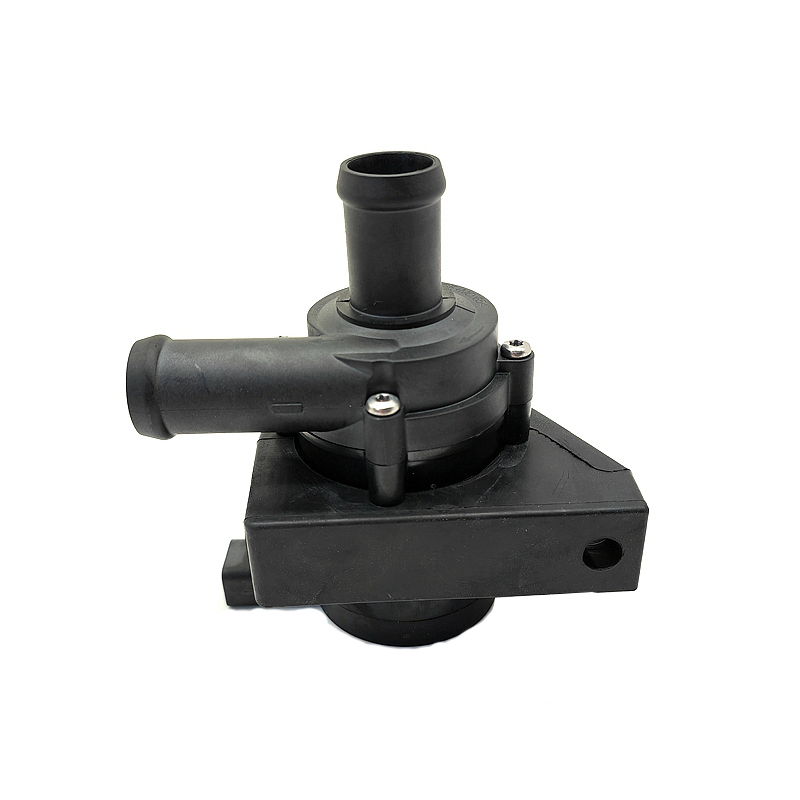
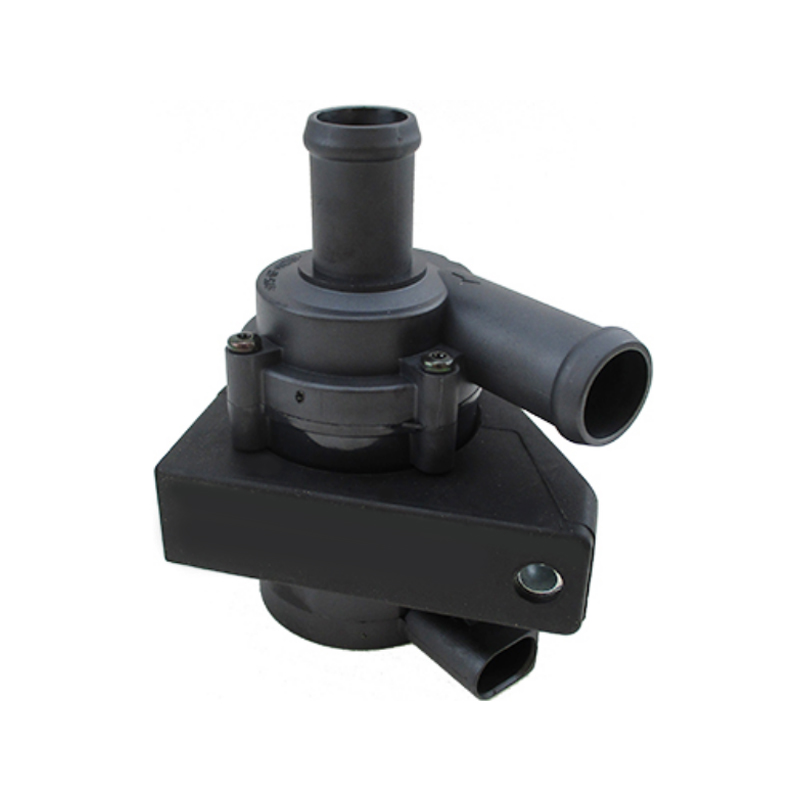
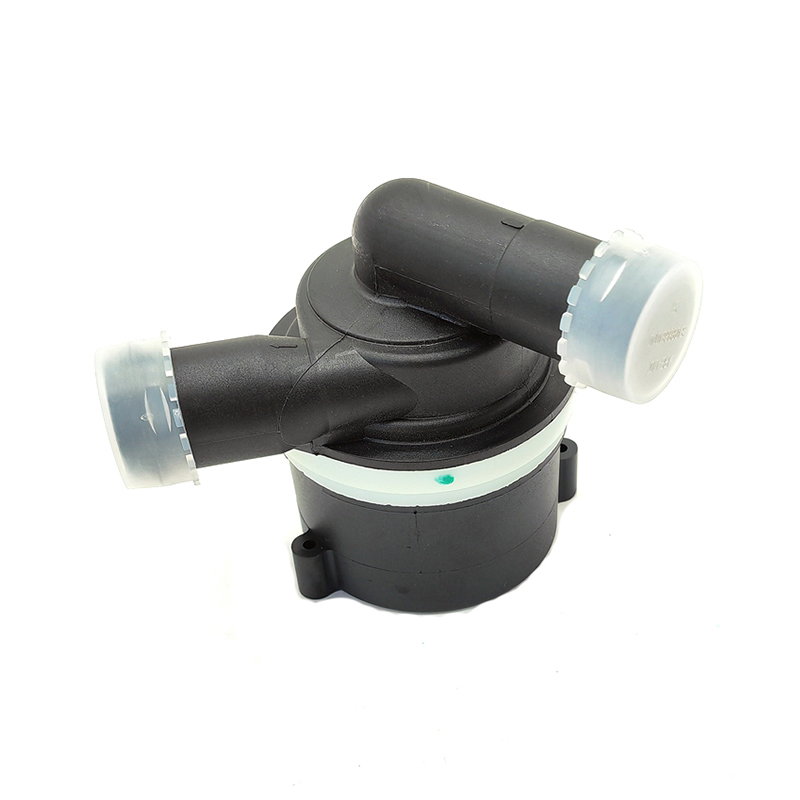
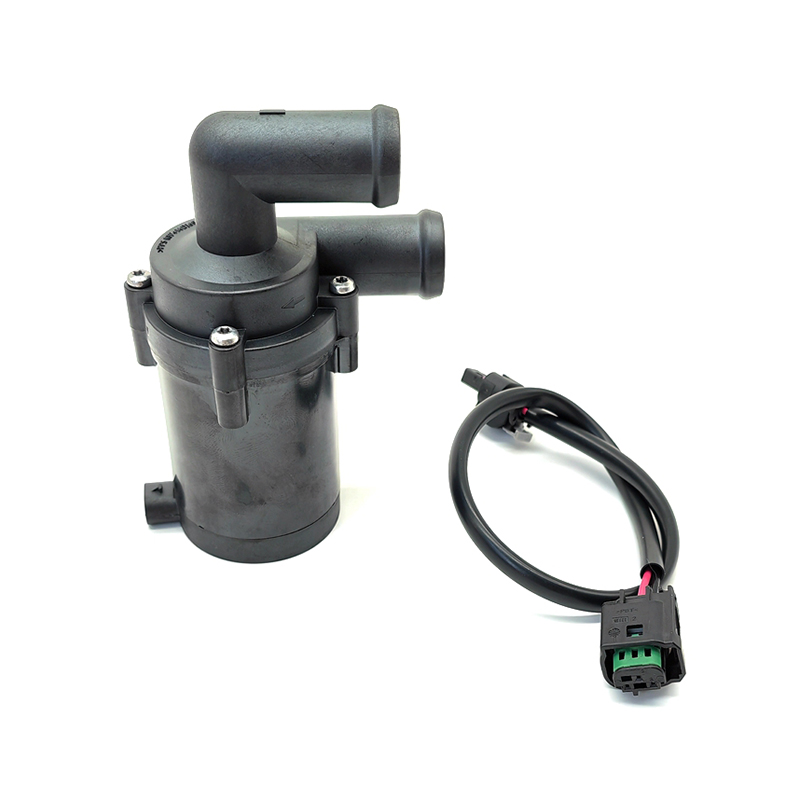
As electric vehicles, hybrid systems, and intelligent mobility platforms continue to gain market share, thermal management has become one of the most discussed topics among automotive engineers and procurement teams. Efficient heat control is now closely linked to vehicle performance, energy consumption, and component longevity. As a result, manufacturers are actively seeking advanced cooling solutions that offer greater precision and adaptability. In this environment, the Automotive Electronic Water Pump is emerging as a key technology for modern vehicle cooling systems, helping optimize coolant flow while supporting evolving thermal management requirements.
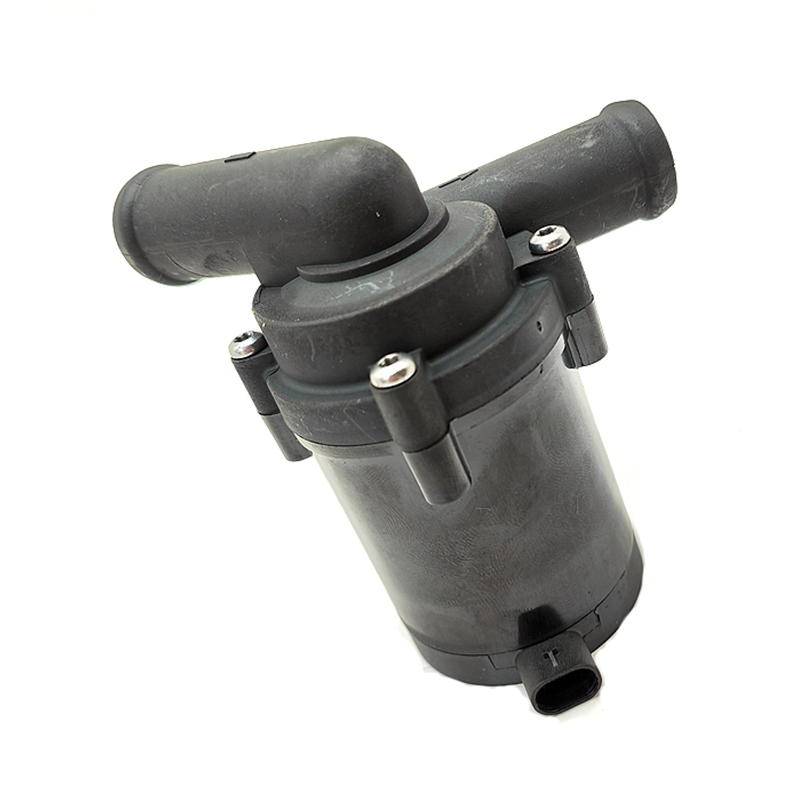
Increasing Heat Loads Are Reshaping Cooling System Design
Today's vehicles contain significantly more electronic and electrical components than previous generations. Battery systems, electric motors, power electronics, and advanced driver-assistance systems all generate heat during operation.
This trend is driving demand for:
- Electronic coolant pumps for electric vehicles
- Smart automotive cooling solutions
- Battery thermal management components
- High-efficiency vehicle cooling systems
Manufacturers are increasingly looking for technologies that can respond quickly to changing thermal conditions.
Why Precise Coolant Control Matters More Than Ever
Traditional cooling systems often provide fixed or mechanically driven coolant circulation. However, modern vehicles require more dynamic temperature management strategies to improve efficiency and protect critical components.
Key benefits of precise coolant control include:
- Better temperature regulation across vehicle systems
- Reduced energy consumption
- Faster response to changing operating conditions
- Improved efficiency during charging and high-load operation
These advantages are becoming increasingly valuable in both passenger and commercial vehicle applications.
Electrification Is Creating New Engineering Challenges
Electric and hybrid vehicles require thermal management solutions that extend beyond engine cooling. Multiple systems must be cooled independently while maintaining overall vehicle efficiency.
Important cooling targets include:
- Battery packs
- Inverters and power electronics
- Electric drive motors
- Climate control systems
This growing complexity is pushing manufacturers toward electronically controlled cooling architectures capable of supporting multiple thermal circuits simultaneously.
Reliability Remains a Top Concern for Global Buyers
While innovation is important, long-term reliability remains one of the primary concerns for OEMs and aftermarket distributors. Cooling system failures can affect vehicle performance and increase maintenance costs.
Procurement teams commonly evaluate:
- Durability under continuous operation
- Resistance to vibration and temperature fluctuations
- Consistent coolant flow performance
- Compatibility with various vehicle platforms
Reliable component performance is essential for maintaining customer satisfaction and reducing warranty-related risks.
How Smart Vehicles Are Influencing Cooling Technology
Connected vehicles and intelligent control systems are changing the way thermal management functions operate. Cooling components are increasingly integrated with electronic control units to optimize vehicle performance in real time.
Modern thermal management systems may support:
- Adaptive coolant flow control
- Real-time temperature monitoring
- Predictive thermal management strategies
- Integration with vehicle software platforms
These capabilities help improve both efficiency and overall system responsiveness.
What Procurement Teams Expect from Manufacturing Partners
As global competition increases, buyers are paying closer attention to supplier capabilities beyond product specifications. Engineering support and manufacturing consistency have become critical selection factors.
Key purchasing considerations include:
- Product validation and testing procedures
- Stable production quality
- OEM and customized development capabilities
- Long-term supply chain reliability
Manufacturers that can provide both technical expertise and scalable production are increasingly favored in global sourcing decisions.
Future Trends in Vehicle Cooling and Thermal Management
The future of automotive thermal management will be shaped by electrification, energy efficiency goals, and increasingly sophisticated vehicle electronics. Cooling systems will continue evolving toward smarter, more responsive designs that help maximize performance and component protection.
As these trends accelerate, the Auxiliary Water Pump will continue to play an important role in supporting efficient coolant circulation, enhancing thermal control strategies, and meeting the growing demands of next-generation automotive platforms worldwide.
 View More >>
 View More >>
 View More >>
 View More >>
 View More >>
 No. 58, Aimin Road, Tangxia Town, Ruian City, Wenzhou City, Zhejiang, China
 +86-577-66082028
 +86-18966257799
