


 English
 русский
 Español
When researching cooling system maintenance, one of the more frequently searched concerns is how to tell whether your auto parts water pump is failing and when replacement is necessary from China auto parts manufacturers or other suppliers. A functioning water pump is vital to keep coolant circulating through the engine to prevent overheating. Recognizing the early signs of wear or failure can save you time, vehicle damage, and unexpected breakdowns on the road.
1. Coolant Leaks Around the Pump
One of the more unmistakable early warning signs that a water pump may be failing is coolant leakage. As the water pump ages, seals and gaskets can wear out, causing coolant to seep from the pump housing or weep hole. These puddles typically appear under the front of the vehicle near where the pump is mounted.
Coolant leaks not only reduce the efficiency of the cooling system, they also directly cause overheating if left unchecked — making it one of the initial signs drivers should take seriously. In some user reports, small drips might be dismissed initially, only for the leak to become significant with continued driving.
2. Engine Overheating and Steam
A water pump that is no longer circulating coolant effectively will cause your engine temperature to rise above normal levels. This can show up as an overheating gauge or even steam coming from beneath the hood — especially when the vehicle is idling or stuck in traffic.
Persistent overheating can cause costly engine damage like warped cylinder heads or blown head gaskets if not addressed quickly. These symptoms often become evident before complete pump failure, giving drivers a valuable window to act.
3. Unusual Noises from the Engine Bay
Strange sounds are one of the more commonly reported signals that something may be wrong with the water pump. A failing pump often produces noises such as squealing, whining, or grinding, which stem from internal bearing wear or misaligned pulleys connected to the pump drive belt.
High‑pitched squealing: Often indicates worn bearings that cause instability in the pump pulley.
Grinding or growling once the engine is running: Suggests the internal parts are deteriorating rapidly and the pump is close to failure.
Rhythmic whining with engine revs: Could signal an airflow imbalance or belt‑pulley issue associated with the pump.
These noises frequently align with user‑reported experiences where drivers hear unusual noise near the front of the engine before coolant levels drop or temperatures spike.
4. Corrosion, Rust, or Coolant Deposit Build‑Up
Visible corrosion or rust on the water pump body or around its gaskets and seals is another warning sign that the part’s structural integrity is compromised. Rust and mineral deposits often arise when coolant becomes contaminated or when leaks allow air and moisture into the system.
Left unaddressed, corrosion can weaken the pump housing, erode internal seals, and compromise the impeller’s ability to circulate coolant — all of which accelerate degradation and eventual failure.
5. Low Coolant Levels Without Obvious External Leaks
Sometimes you may not see a clear puddle under your vehicle, but your coolant reservoir keeps dropping. This may indicate a slow internal leak in the water pump that evaporates before reaching the ground. These types of leaks can be tricky because they’re subtle, yet they still compromise coolant circulation and can hide until more serious symptoms appear.
6. Heater Performance Fluctuations
If your vehicle’s heater suddenly becomes less effective at delivering warm air, this may be tied back to inconsistent coolant flow caused by a failing water pump. As the pump’s circulation weakens, the heater core receives less hot coolant, which reduces heating efficiency — a symptom that is commonly confirmed by routine maintenance checks before full pump failure occurs.
What to Do When You Notice These Signs
Inspect Before You Replace
If you notice any of these warning signals, visually inspect your cooling system initial. Check for coolant residue, rust spots, and listen for unusual noises from the front of the engine where the water pump is located.
Consult a Professional
If a water pump shows signs of failure, consult a qualified technician for diagnosis and replacement. It’s often advisable to sync a water pump replacement with related component checks — such as belts, hoses, and thermoreat — to prevent cascading issues.
Choose Quality Replacement Parts
When replacing a water pump, consider components that adhere to precise manufacturing standards. At Wenzhou Xinhao Auto Parts Co., Ltd., water pumps are designed and tested to meet stringent quality measures, helping drivers reduce risk of premature failure while maintaining driving confidence.
Identifying signs that your water pump needs replacement isn’t just about addressing one part — it’s about ensuring the overall health of your vehicle’s cooling system. From coolant leakage and overheating to unusual noises and corrosion, knowing these signs helps you take action quickly and avoid more serious damage down the road. By combining attentive observation with quality parts and professional support, you can protect your engine and enjoy smoother, more reliable performance on every drive.

 View More >>
 View More >>
 View More >>
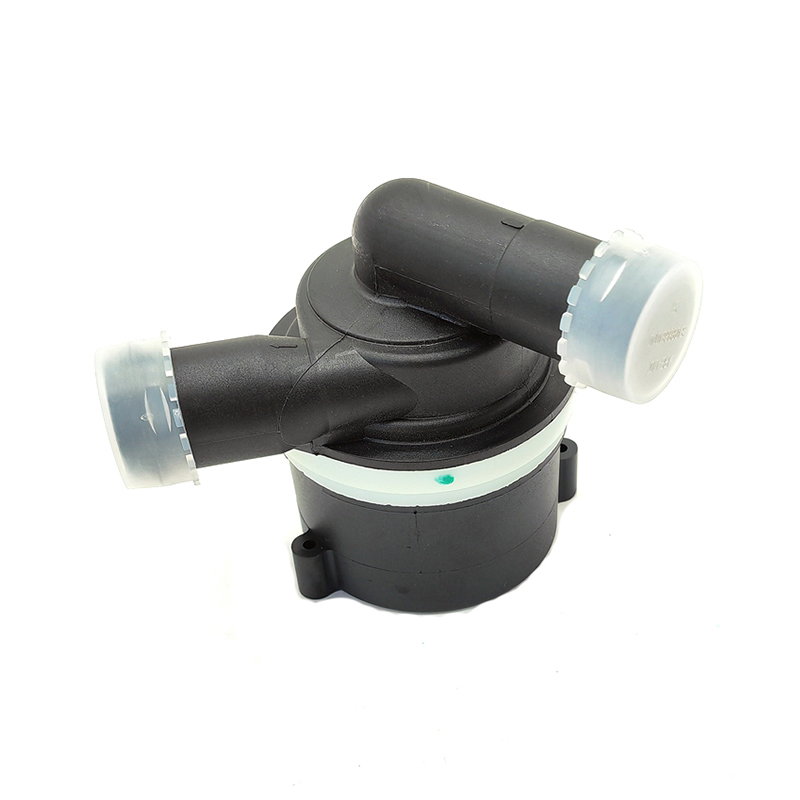 View More >>
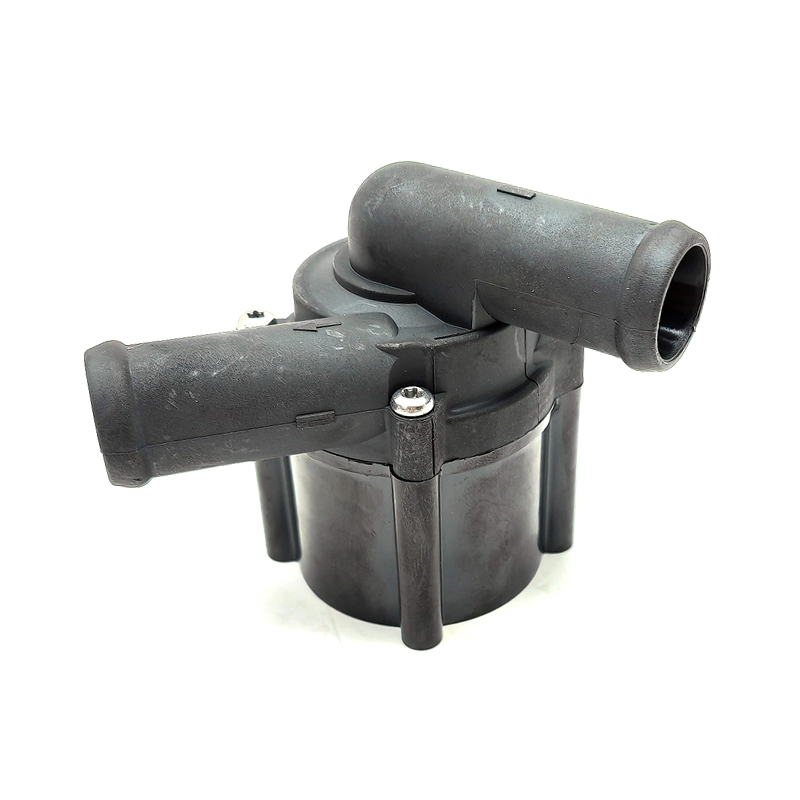 View More >>
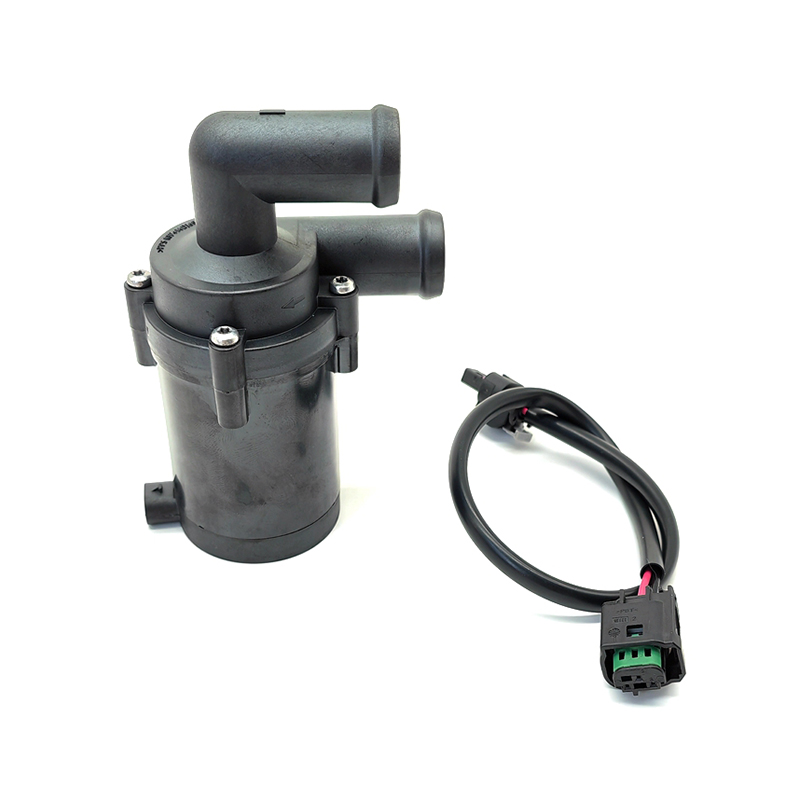 View More >>
 No. 58, Aimin Road, Tangxia Town, Ruian City, Wenzhou City, Zhejiang, China
 +86-577-66082028
 +86-18966257799
