


 English
 русский
 Español
Many drivers notice electrical or battery issues they can’t immediately explain, and some of these cases trace back to unexpected places — like the vehicle’s cooling system. A question many people ask is whether a faulty auxiliary cooling pump can cause electrical problems such as battery drain, blown fuses, or erratic control unit behavior. Understanding this is valuable for troubleshooting and planning proper maintenance of Business Auto Parts that interact with both cooling and electrical systems.
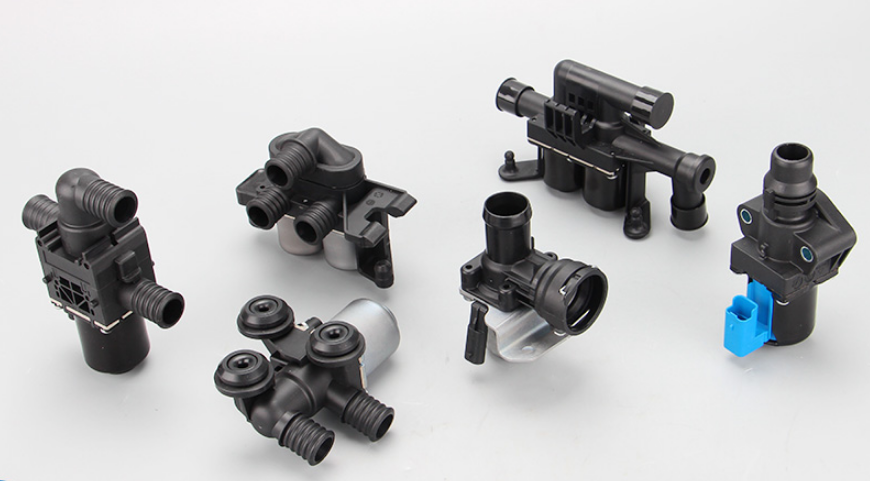
Could a Cooling Pump Be Linked to Battery Drain?
Some vehicle owners have reported that their battery would drain unexpectedly even when the car was turned off. In one such scenario, an auxiliary water pump was suspected of drawing current because of a fault in its electrical circuit. When a component stays powered incorrectly, it can continue pulling current and slowly discharge the battery over days. In some community discussions, pulling related fuses revealed that the auxiliary cooling pump circuit was a primary suspect because removing it significantly reduced the parasitic draw.
This happens because modern coolant pumps are often controlled by electronic modules and relays. If a short circuit occurs or the pump’s control relay sticks, the unit may remain energized even after the key is off, leading to unwanted battery drain.
Can a Failed Pump Blow Fuses or Affect HVAC Controls?
Another unexpected symptom some drivers see is a blown fuse or sudden loss of HVAC control functions. In forum posts, a jammed auxiliary water pump was linked with repeated fuse failure in the HVAC and instrument cluster circuit. In that specific case, disconnecting the pump stopped the fuse from blowing, though it also triggered a separate check engine warning later.
This kind of electrical misbehavior can arise when a mechanical failure — like a seized pump — places extra strain on the electrical circuit, causing current spikes that blow protective fuses. While this isn’t common across all vehicles, it shows that cooling system parts and electrical networks are often more connected than people realize.
Does a Pump Fault Trigger Diagnostic Trouble Codes?
Yes — many modern cars monitor the performance of auxiliary systems. When the engine control module (ECM) detects inconsistent coolant flow or an internal electronics fault in the auxiliary pump, it may store a diagnostic trouble code (DTC). Some owners report seeing codes that mention auxiliary pump speed or flow being outside of tolerance; sometimes these codes appear even when other symptoms are subtle.
These codes can complicate diagnosing electrical issues, especially when electrical anomalies like voltage irregularities or sensor malfunctions also show up. For instance, one driver experienced a situation where their dealer insisted the pump was shorting internally before diagnosing an alternator problem, because the vehicle’s control networks tied these systems together.
What About Check Engine Lights and System Errors?
A failing auxiliary pump can contribute to error messages or lights on the dashboard. For example, when flow through the secondary cooling circuit drops unexpectedly, the vehicle might interpret this as a system failure and trigger warnings. While this isn’t purely “electrical,” the result—warning lights, reduced communication between modules, or ECU errors—can look like an electrical malfunction to drivers who aren’t familiar with the role of the pump.
Signs That Connect Electrical Symptoms to a Cooling Pump
Here are some practical hints that an electrical issue may originate from a faulty auxiliary cooling pump:
- Battery discharges while parked: As mentioned, continual current draw due to a stuck pump relay or short could drain the battery.
- Fuses blow repeatedly: This can happen if the pump’s electrical demand spikes or its wiring ground shorts out in harsh engine compartment conditions.
- Stored diagnostic trouble codes: Codes referencing auxiliary pump speed or circuit faults often accompany odd electrical behavior.
- Check engine light or system warnings: These may be triggered by flow or sensor issues linked to the pump rather than core engine faults.
What You Can Do
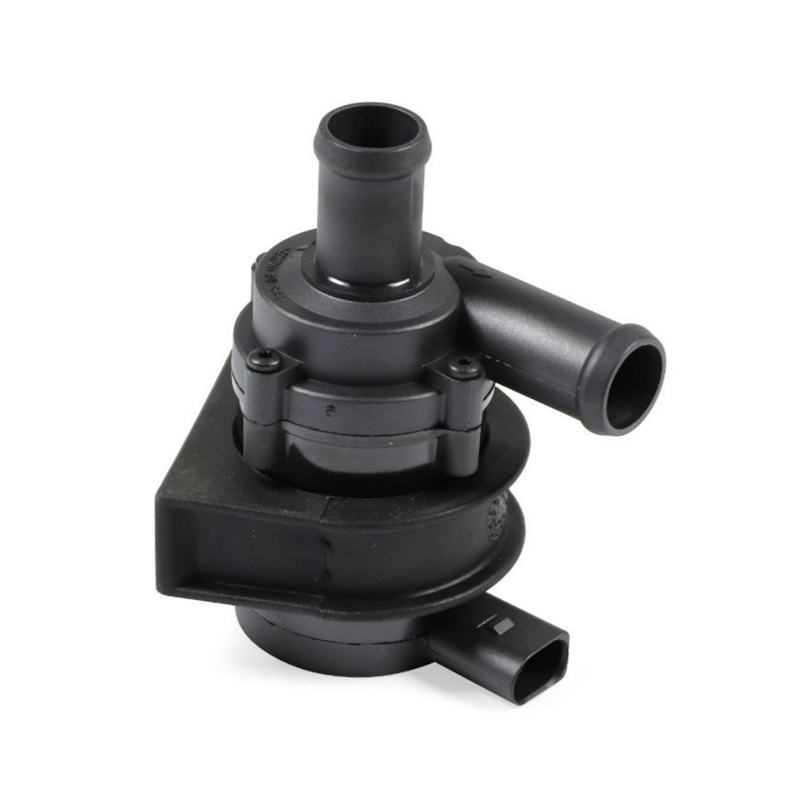
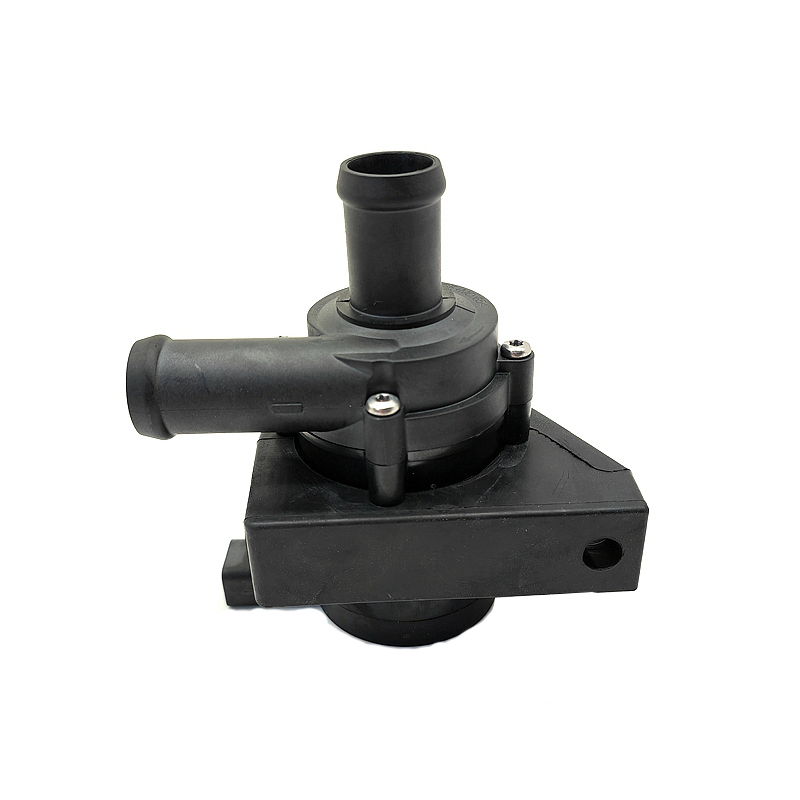
When you encounter odd electrical symptoms alongside cooling or heater performance issues, it’s wise to include the auxiliary cooling pump in your diagnostic checklist. Tools like an OBDII scanner can help reveal stored codes related to coolant circulation. Visual inspection of wiring connectors, fuses, and relays associated with the pump may uncover shorts or damaged insulation. If the pump unit itself is aging or has mechanical problems, replacing it with a reliable, appropriately spec’d part can resolve both electrical and cooling-related symptoms.

 View More >>
 View More >>
 View More >>
 View More >>
 View More >>
 View More >>
 No. 58, Aimin Road, Tangxia Town, Ruian City, Wenzhou City, Zhejiang, China
 +86-577-66082028
 +86-18966257799
