


 English
 русский
 Español
Wenzhou Xinhao Auto Parts Co., Ltd.
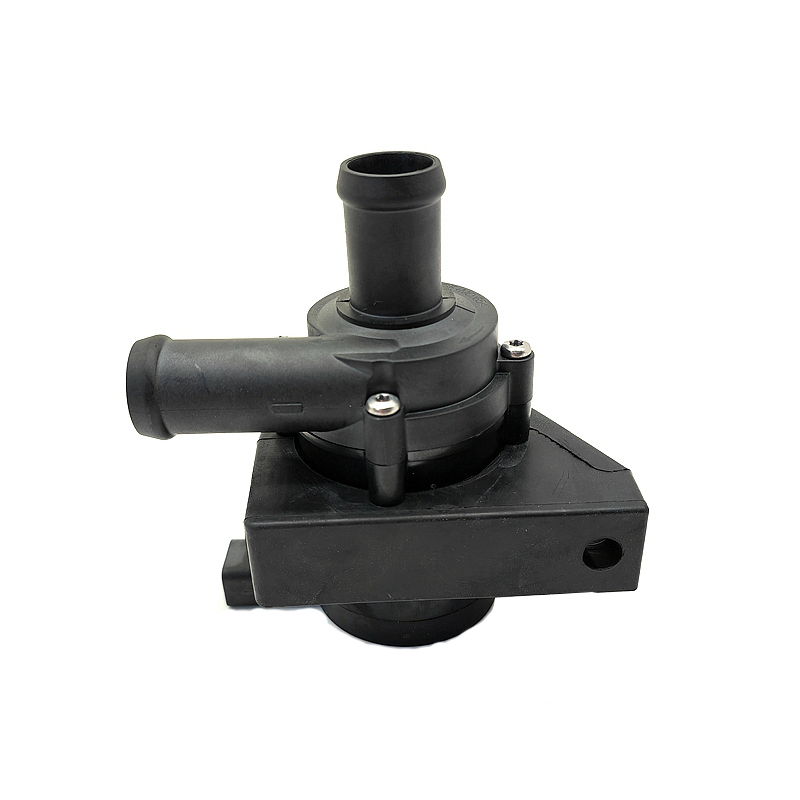
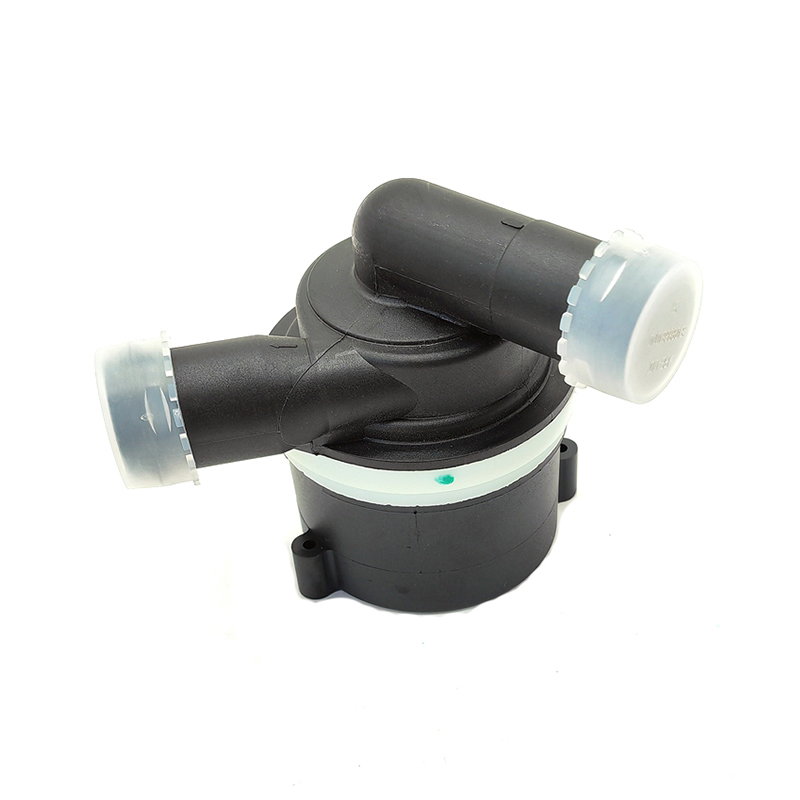
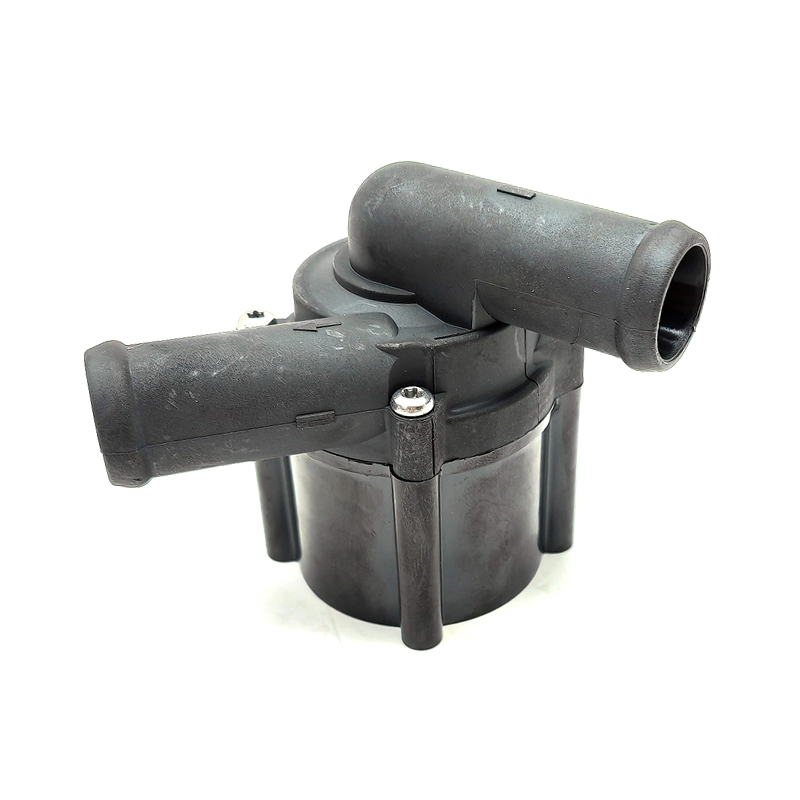
The automotive industry is undergoing a major transformation driven by electrification, stricter emissions regulations, and growing demand for energy-efficient vehicle technologies. As manufacturers develop more advanced powertrains, thermal management has become a critical engineering priority. Effective coolant circulation is no longer simply about preventing overheating—it now directly impacts battery performance, energy consumption, and vehicle reliability. Against this backdrop, the Automotive Electronic Water Pump is becoming a key component for OEMs, Tier 1 suppliers, and aftermarket buyers seeking smarter and more efficient cooling solutions.
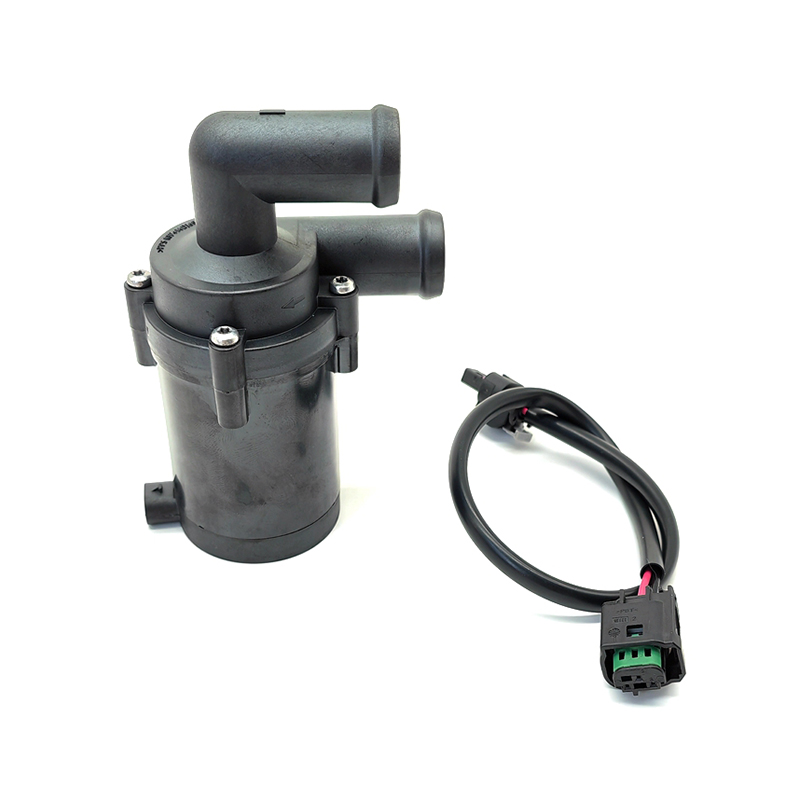
Thermal Management Is Becoming a Competitive Advantage
Modern vehicles contain more electronic components than ever before. From battery packs and power control modules to turbocharged engines and HVAC systems, maintaining optimal operating temperatures is essential.
Procurement teams are increasingly searching for:
- Electronic coolant pump for EV applications
- Intelligent automotive thermal management solutions
- High-efficiency vehicle cooling systems
- Electric water pump for battery cooling
This shift reflects a broader industry focus on performance, efficiency, and long-term reliability.
Why Mechanical Cooling Systems Are Losing Their Edge
Traditional engine-driven pumps operate according to engine speed rather than actual cooling demand. While effective in conventional applications, they often lack the flexibility required by modern vehicle architectures.
Common limitations include:
- Continuous energy consumption regardless of cooling needs
- Reduced efficiency during variable operating conditions
- Limited adaptability to electric and hybrid platforms
- Less precise coolant flow management
These challenges are encouraging manufacturers to adopt electronically controlled alternatives.
The Rise of Electrified Mobility and Cooling Complexity
Electric vehicles and hybrid systems require multiple cooling circuits to protect critical components. Batteries, inverters, onboard chargers, and electric motors all generate heat that must be carefully controlled.
Key objectives include:
- Maintaining battery temperature stability
- Supporting fast charging performance
- Protecting electronic control systems
- Extending component service life
As vehicle electrification accelerates, demand for advanced coolant circulation technology continues to grow across global markets.
What Buyers Look for When Selecting Electronic Water Pumps
Purchasing decisions are increasingly based on performance consistency rather than simple specifications. Automotive manufacturers and distributors want solutions that can perform reliably under diverse operating conditions.
Important evaluation criteria include:
- Precise flow rate control
- Stable performance across temperature ranges
- Low noise and vibration characteristics
- Long-term durability under continuous operation
- Compatibility with modern vehicle control systems
These factors are becoming essential for both OEM and replacement market applications.
Smart Vehicle Architectures Are Driving System Integration
As vehicles become more connected and software-controlled, cooling systems are expected to work seamlessly with electronic management platforms. This integration improves efficiency and enhances overall vehicle performance.
Modern cooling systems often support:
- Real-time temperature monitoring
- Dynamic coolant flow adjustment
- Multi-circuit cooling management
- Communication with vehicle control units
These capabilities allow manufacturers to optimize thermal performance under varying driving conditions.
Manufacturing Consistency Matters in Global Supply Chains
For international buyers, supplier selection depends not only on product performance but also on production reliability. Consistent quality across large production volumes is essential for maintaining brand reputation and reducing warranty risks.
Key supplier assessment factors include:
- Quality management systems
- Product validation and endurance testing
- OEM development capabilities
- Flexible manufacturing support
As a manufacturer, we understand that dependable production processes are just as important as technical specifications.
Future Opportunities in Automotive Thermal Management
The future of mobility will continue to be shaped by electrification, intelligent vehicle systems, and increasing energy efficiency requirements. As thermal management becomes more sophisticated, the role of advanced coolant circulation technologies will continue to expand.
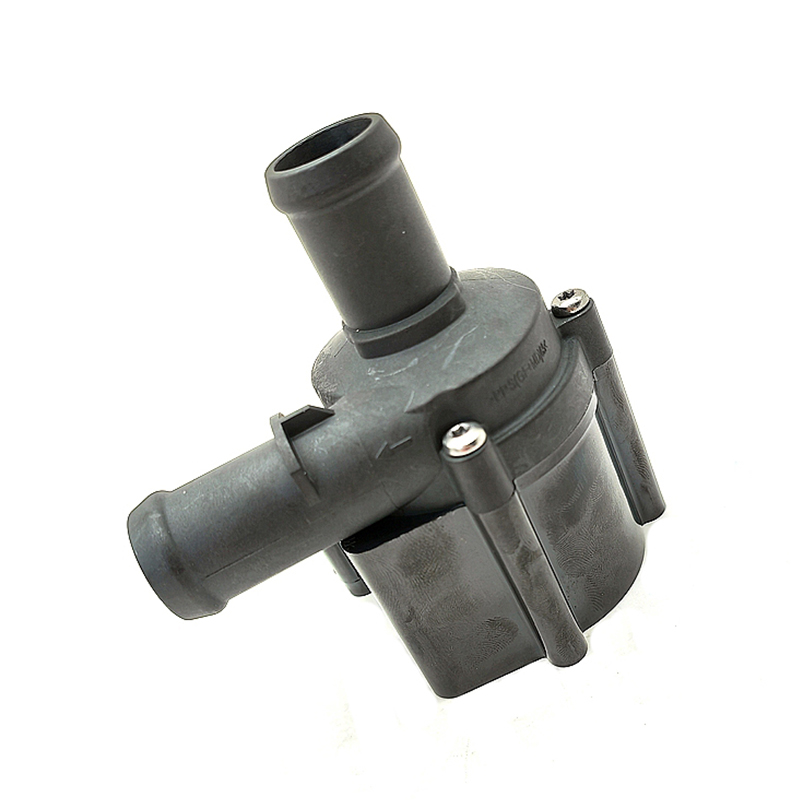
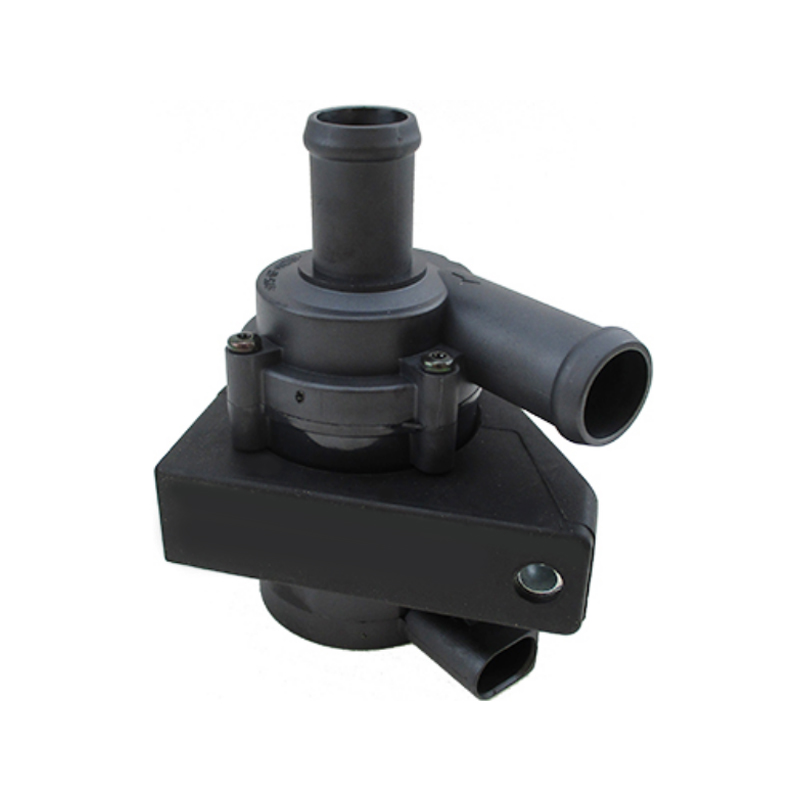
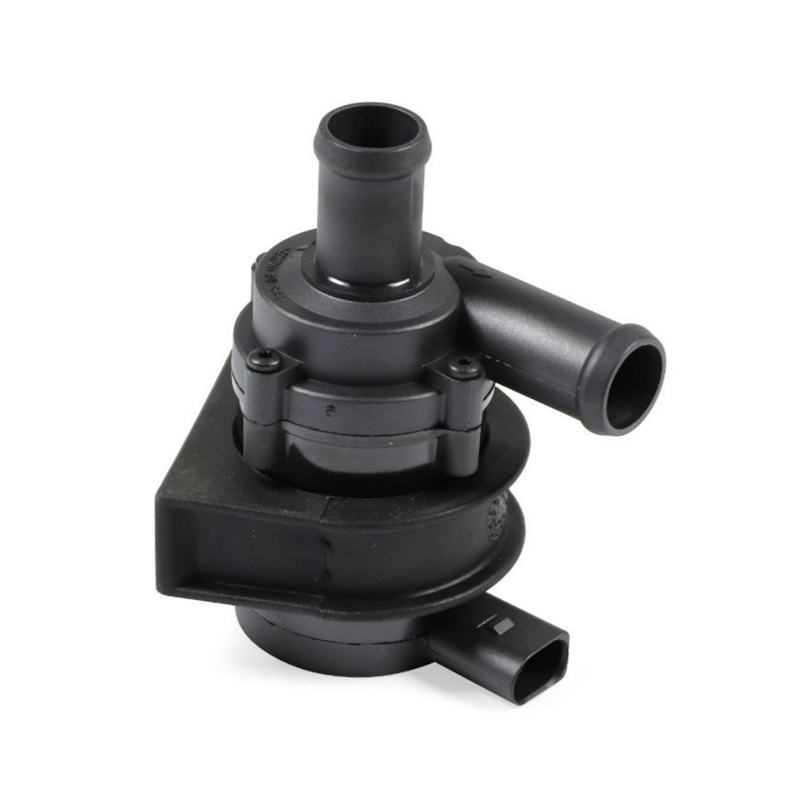
In this evolving industry landscape, the Auxiliary Water Pump will remain an essential component for supporting efficient heat management, protecting critical vehicle systems, and helping manufacturers meet the performance expectations of next-generation automotive platforms.
 View More >>
 View More >>
 View More >>
 View More >>
 No. 58, Aimin Road, Tangxia Town, Ruian City, Wenzhou City, Zhejiang, China
 +86-577-66082028
 +86-18966257799
