


 English
 русский
 Español
Wenzhou Xinhao Auto Parts Co., Ltd.
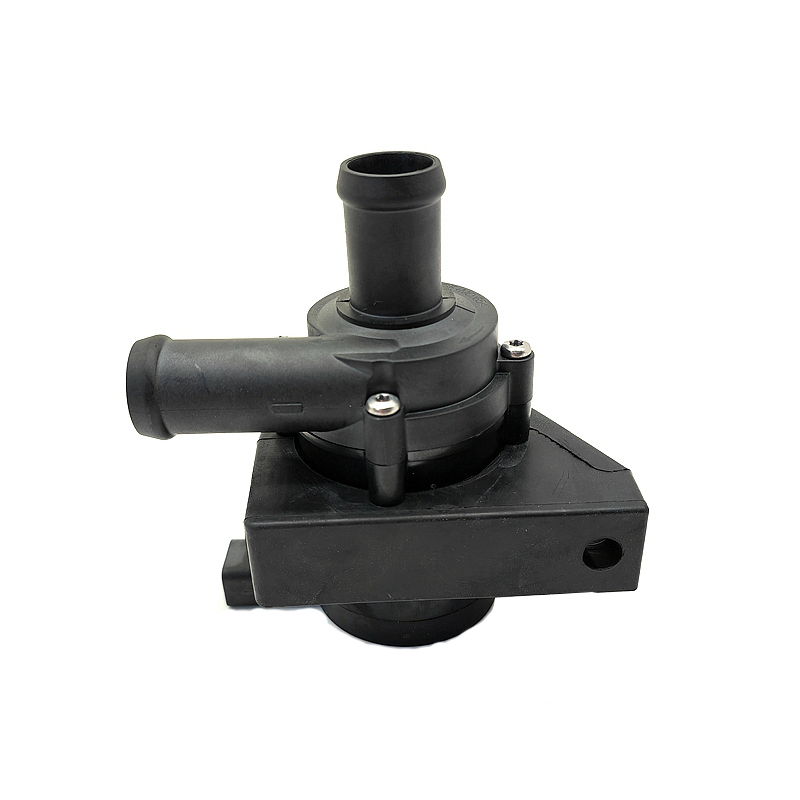
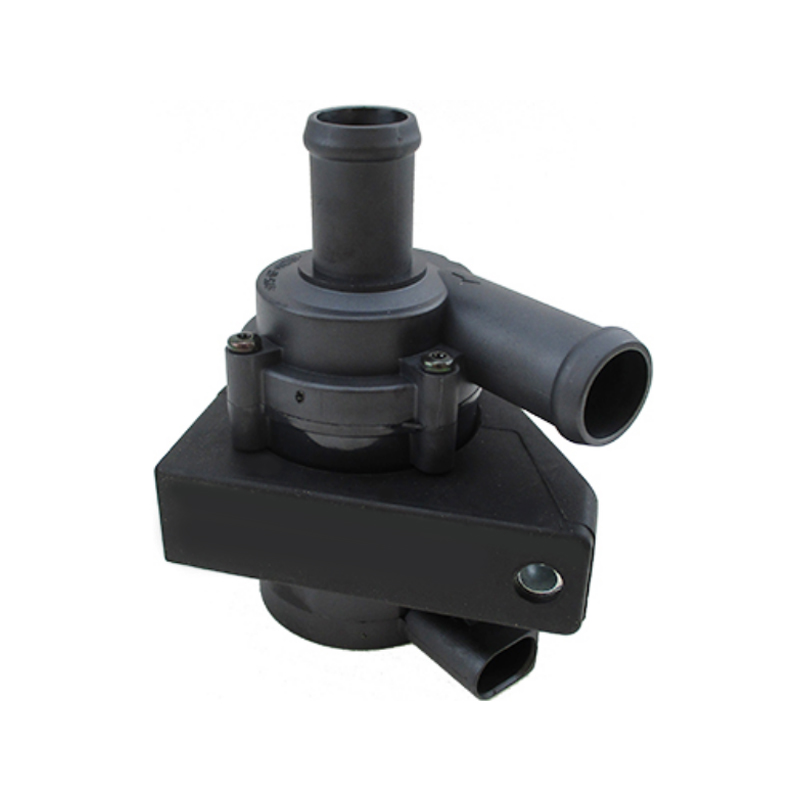
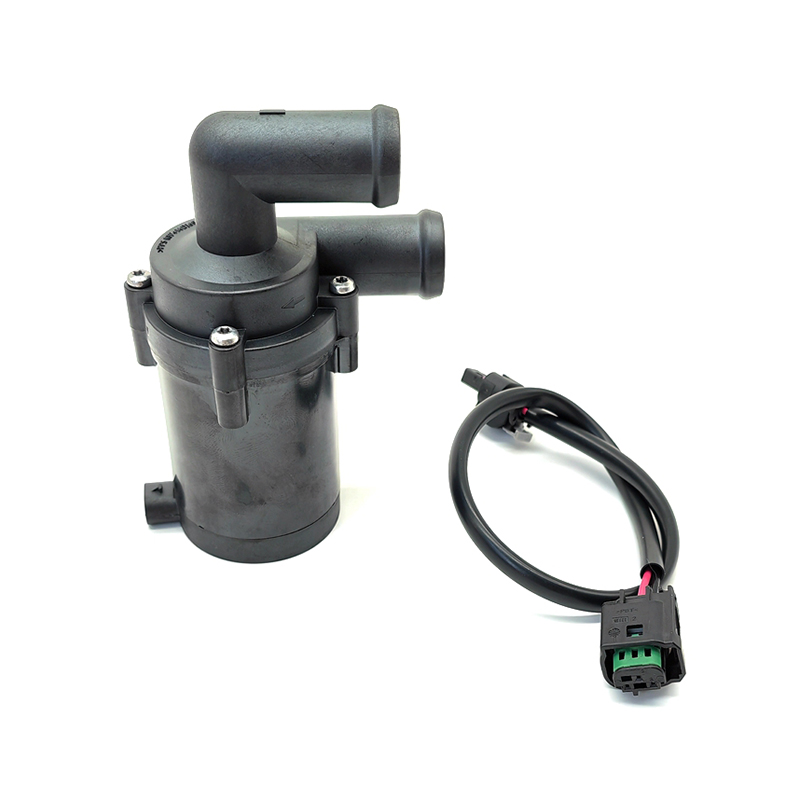
As the automotive industry moves toward electrification, higher fuel efficiency standards, and advanced thermal management technologies, vehicle manufacturers are placing greater emphasis on cooling system performance. Whether in passenger vehicles, hybrid models, or electric platforms, efficient coolant circulation has become critical for protecting key components and maintaining operating stability. In this evolving landscape, the Automotive Electronic Water Pump has become an increasingly important solution for OEMs and aftermarket buyers seeking precise coolant control, energy efficiency, and long-term system reliability.
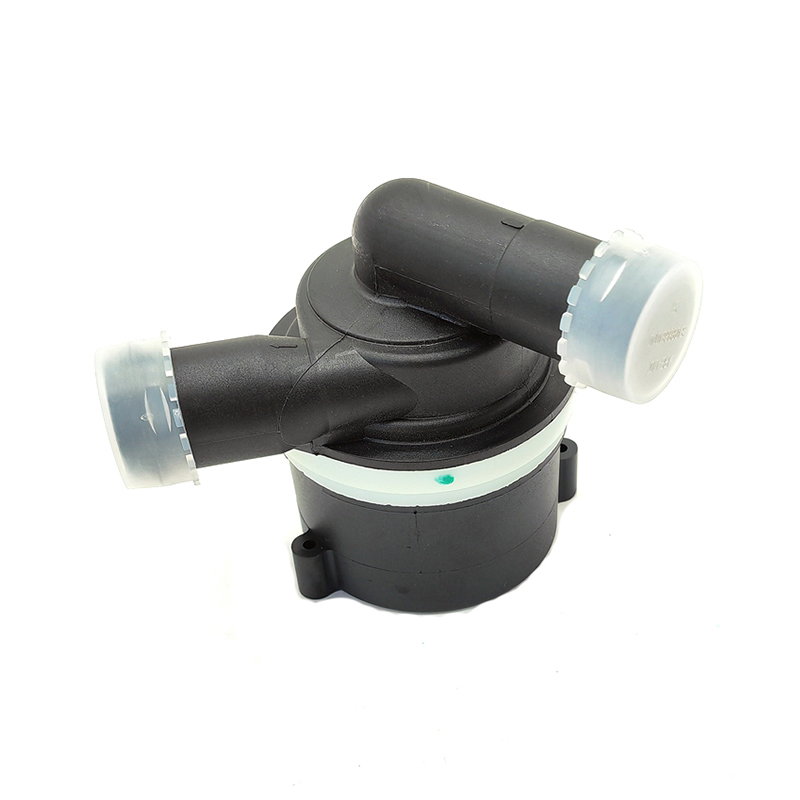
Why Traditional Mechanical Pumps Are Facing New Challenges
Conventional belt-driven water pumps have served the automotive industry for decades, but modern vehicles require greater flexibility and efficiency. Mechanical pumps operate according to engine speed, which can lead to unnecessary energy consumption and less precise coolant management.
As vehicle systems become more complex, buyers are increasingly searching for:
- Electronic coolant pump solutions for EV thermal management
- High-efficiency automotive cooling systems
- Intelligent coolant circulation technology
- Low-power automotive water pump applications
These trends are accelerating the shift toward electronically controlled cooling systems.
The Growing Importance of Thermal Management in EVs and Hybrid Vehicles
Battery packs, power electronics, and electric motors generate heat that must be carefully managed to ensure performance and longevity. Unlike traditional vehicles, electric vehicles rely heavily on advanced cooling strategies.
Key thermal management objectives include:
- Maintaining stable battery operating temperatures
- Supporting fast-charging performance
- Improving vehicle energy efficiency
- Reducing thermal stress on electronic components
This has significantly increased demand for electronically controlled coolant circulation systems across global automotive markets.
How Electronic Water Pumps Improve System Efficiency
One of the primary advantages of modern cooling technology is the ability to adjust coolant flow based on real-time operating conditions. Instead of running continuously at a fixed rate, electronic pumps provide targeted cooling when and where it is needed.
Benefits include:
- Optimized coolant flow control
- Reduced parasitic energy loss
- Faster system response to temperature changes
- Improved overall thermal management efficiency
For manufacturers, these advantages contribute to more flexible vehicle platform design and improved energy utilization.
Reliability Expectations Are Increasing Across Global Supply Chains
Automotive buyers are placing greater emphasis on durability and lifecycle performance when selecting cooling system components. Reliability is particularly important in applications where continuous thermal regulation is essential.
Important procurement considerations include:
- Stable operation under varying temperature conditions
- Resistance to vibration and harsh vehicle environments
- Consistent performance during long operating cycles
- Compatibility with different vehicle architectures
As a manufacturer, we see growing demand for rigorous testing, quality control, and validation procedures that support long-term operational confidence.
Smart Vehicle Platforms Are Creating New Cooling Requirements
The rise of connected vehicles and intelligent control systems is influencing component design throughout the automotive industry. Cooling systems are increasingly integrated with electronic control units to improve overall vehicle efficiency.
Modern vehicle platforms often require:
- Dynamic coolant flow management
- Communication with vehicle control systems
- Support for multiple cooling circuits
- Enhanced thermal management for advanced electronics
These requirements are pushing automotive cooling technology toward higher levels of precision and integration.
Manufacturing Quality and Engineering Support Matter More Than Ever
For OEMs, Tier 1 suppliers, and aftermarket distributors, supplier capability extends beyond product specifications. Engineering expertise, production consistency, and customization support have become key selection criteria.
Buyers frequently evaluate:
- Production process control
- Product validation procedures
- OEM and custom development capabilities
- Long-term supply stability
Manufacturers that combine engineering experience with scalable production are better positioned to support evolving automotive thermal management needs.
Future Outlook for Advanced Automotive Cooling Systems
As electrification, energy efficiency, and intelligent vehicle technologies continue to reshape the automotive industry, demand for advanced thermal management components will remain strong. Buyers are increasingly focused on precision, reliability, and system integration when selecting cooling solutions.
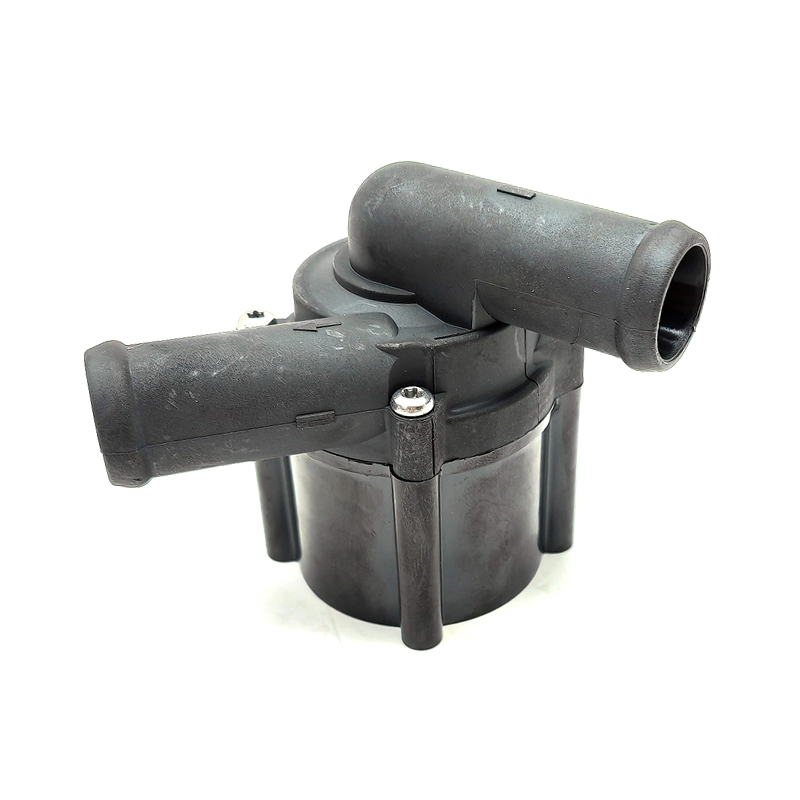
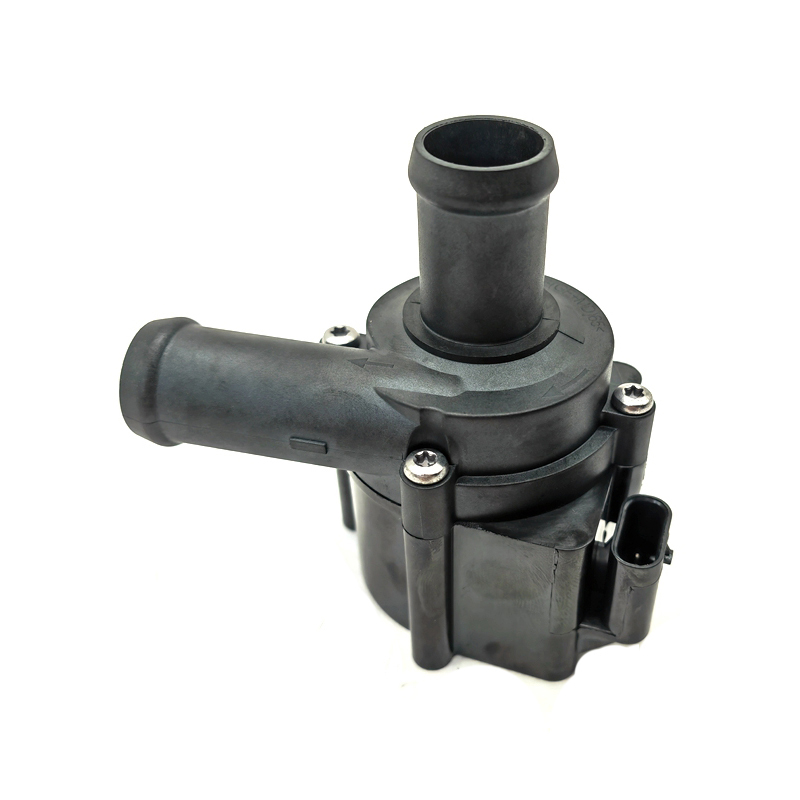
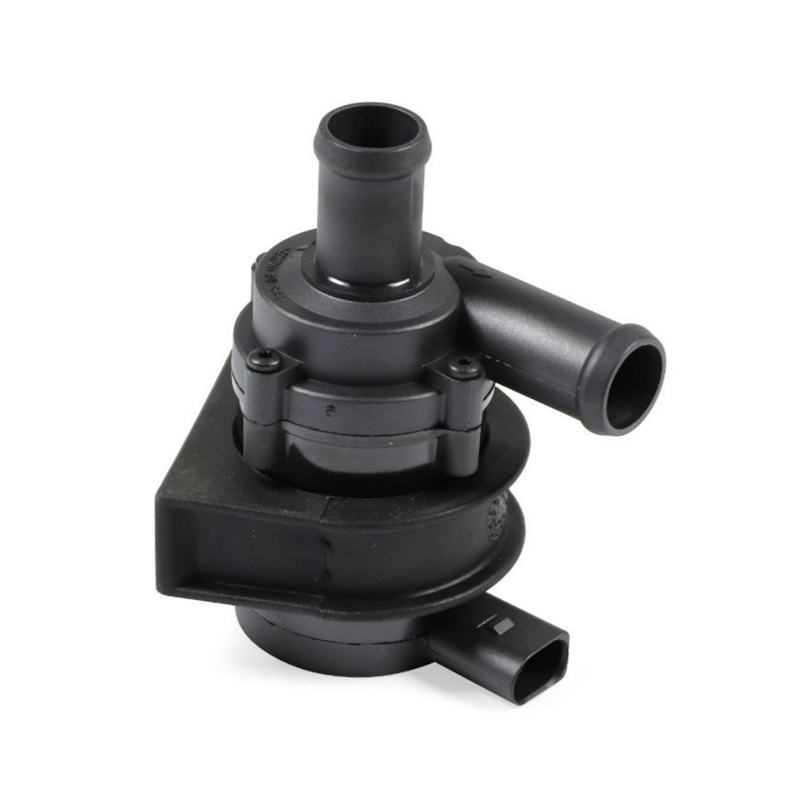
In this rapidly evolving market, the Auxiliary Water Pump will continue to play a vital role in supporting efficient coolant circulation, improving thermal performance, and helping modern vehicles meet the growing demands of next-generation mobility platforms.
 View More >>
 View More >>
 View More >>
 View More >>
 No. 58, Aimin Road, Tangxia Town, Ruian City, Wenzhou City, Zhejiang, China
 +86-577-66082028
 +86-18966257799
