


 English
 русский
 Español
Wenzhou Xinhao Auto Parts Co., Ltd.
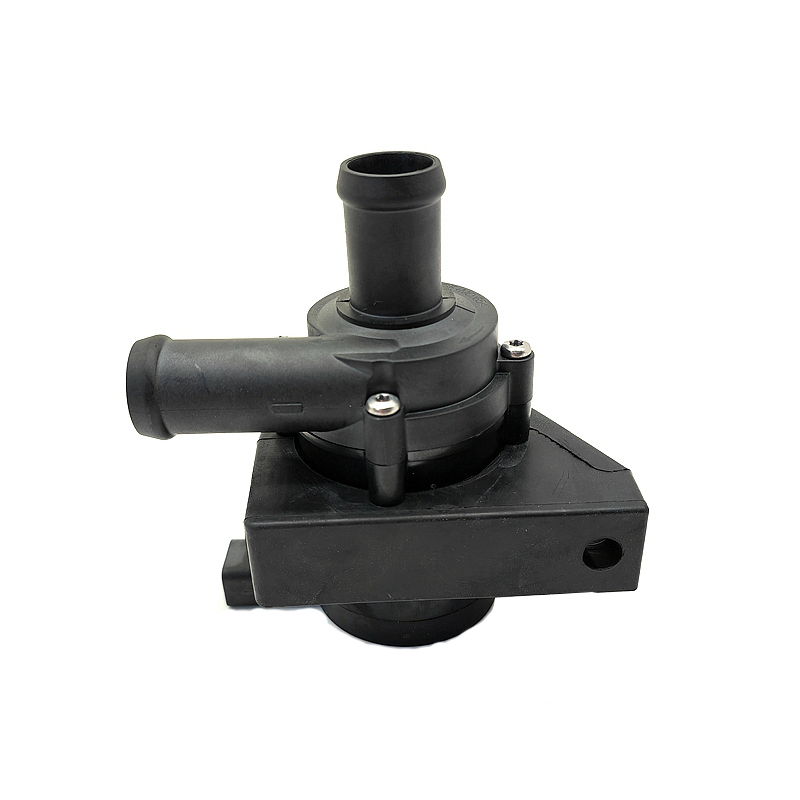
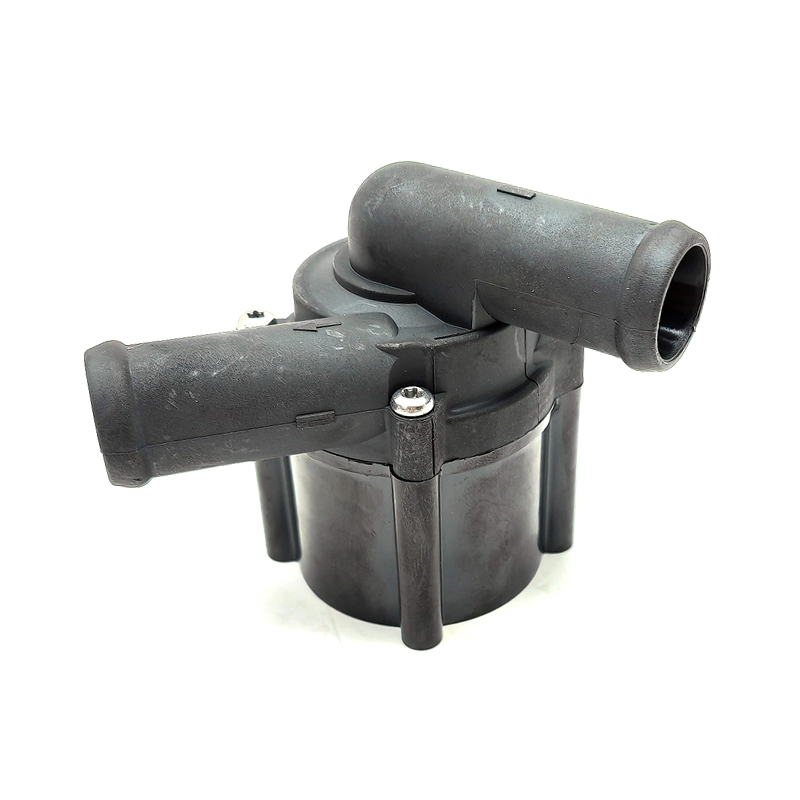
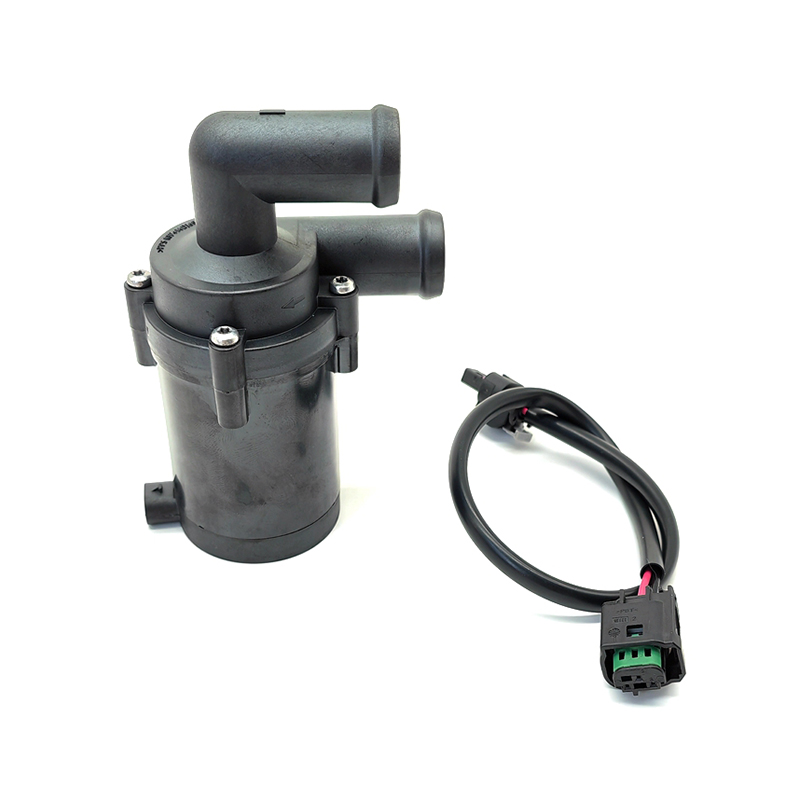
As electric vehicles, hybrid platforms, and advanced thermal management systems continue to evolve, buyers are paying closer attention to component reliability rather than simply comparing prices. One topic frequently discussed in engineering forums and procurement groups is how cooling system performance affects battery efficiency, vehicle range, and long-term durability. For manufacturers, selecting the right Automotive Electronic Water Pump is becoming a critical decision, especially as modern vehicles rely on precise coolant circulation under varying operating conditions.
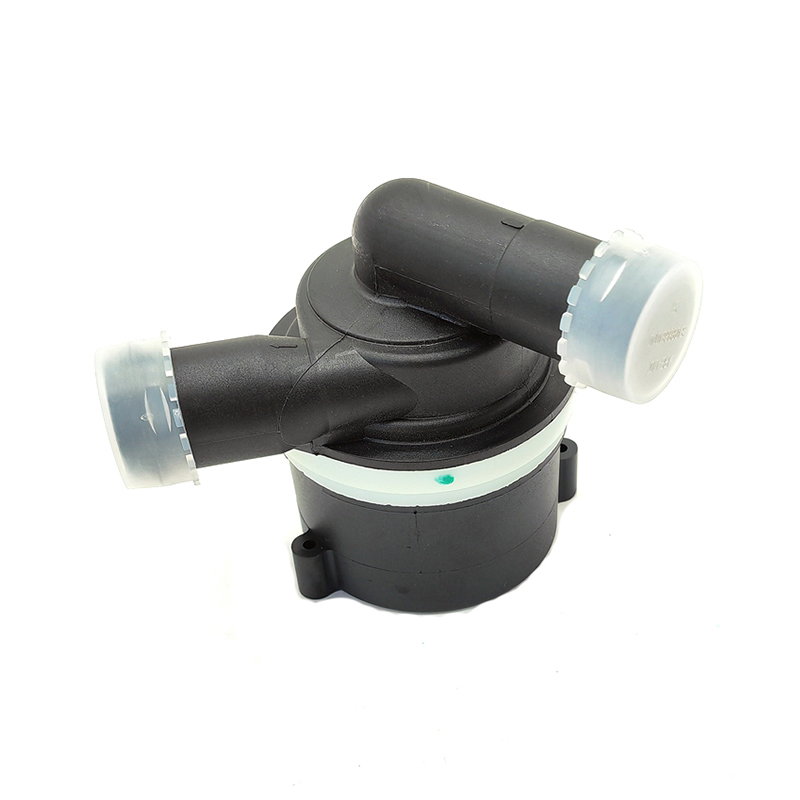
Why Cooling System Efficiency Matters More Than Ever
Vehicle electrification has significantly increased the complexity of thermal management systems. Batteries, power electronics, inverters, and electric motors all generate heat that must be controlled within specific operating ranges.
Unlike traditional mechanical pumps driven directly by the engine, electronic pumps can adjust coolant flow according to real-time system requirements. This improves energy utilization while helping engineers maintain stable temperatures across multiple vehicle subsystems.
For OEM buyers and aftermarket distributors, this trend has shifted purchasing priorities toward durability, efficiency, and intelligent control capabilities rather than focusing solely on flow rate specifications.
Common Challenges Buyers Face When Selecting Water Pumps
One of the biggest concerns among procurement teams is inconsistent product performance after installation. A water pump may perform well during initial testing but encounter issues under continuous operating conditions.
Common concerns include:
- Premature bearing wear
- Motor overheating
- Inconsistent coolant flow
- Electrical communication failures
- Noise and vibration during operation
These challenges can increase maintenance costs and create warranty risks. As a manufacturer, we often recommend evaluating complete lifecycle performance rather than relying only on laboratory specifications.
The Growing Demand for Smart Thermal Management
Recent industry discussions increasingly focus on intelligent cooling systems capable of adapting to changing vehicle conditions.
Modern thermal management architectures often require:
- Variable-speed coolant circulation
- CAN communication compatibility
- Integration with battery management systems
- Energy-saving operation modes
- Rapid response to temperature fluctuations
Electronic water pumps that support precise speed control can help optimize coolant flow while reducing unnecessary power consumption. This is particularly important for electric vehicles where every watt contributes to overall efficiency.
Material Selection Plays a Bigger Role Than Many Expect
While motor design receives significant attention, material quality remains equally important.
High-quality housing materials, corrosion-resistant components, and durable sealing systems can help improve long-term reliability. Cooling systems are exposed to varying temperatures, pressure changes, and different coolant formulations throughout their service life.
When evaluating suppliers, buyers should ask detailed questions regarding:
- Housing material specifications
- Seal durability testing
- Corrosion resistance validation
- Temperature cycling performance
- Vibration resistance testing
Manufacturers willing to provide technical documentation often demonstrate stronger quality control processes.
What Procurement Teams Should Verify Before Ordering
Before finalizing a sourcing decision, buyers can reduce risks by reviewing several key areas:
- Technical Verification Checklist
- Performance Testing
- Continuous operation testing records
- Flow and pressure performance curves
- Thermal cycling validation
- Production Capability
- Automated assembly processes
- Traceability systems
- Quality inspection procedures
- Engineering Support
- Application-specific customization
- Technical documentation
- Sample testing assistance
- Supply Chain Reliability
- Stable production capacity
- Consistent material sourcing
- Long-term product support
These factors often have a greater impact on project success than small differences in unit pricing.
Reliability Is Becoming a Competitive Advantage
As vehicle platforms become increasingly sophisticated, cooling system components are expected to perform under more demanding conditions. Engineers are looking for suppliers capable of supporting both current production requirements and future technology upgrades.
From passenger vehicles and commercial fleets to hybrid platforms and energy-efficient mobility solutions, reliable coolant circulation directly affects system performance. Buyers who prioritize technical validation, manufacturing expertise, and long-term support are often better positioned to avoid costly failures after deployment.
Smarter Cooling Solutions for Next-Generation Vehicles
The automotive industry is moving toward higher efficiency, greater electrification, and more intelligent thermal management strategies. As a manufacturer, we see growing demand for products that combine durability, precise control, and seamless integration with modern vehicle architectures.
For companies seeking dependable cooling system components, choosing the right Auxiliary Water Pump partner is no longer just a purchasing decision—it is an investment in system reliability, operational efficiency, and long-term product performance. By carefully evaluating technology, testing standards, and manufacturing capabilities, buyers can build more resilient thermal management systems and gain greater confidence in their next-generation vehicle projects.
 View More >>
 View More >>
 View More >>
 View More >>
 No. 58, Aimin Road, Tangxia Town, Ruian City, Wenzhou City, Zhejiang, China
 +86-577-66082028
 +86-18966257799
