


 English
 русский
 Español
Hot air inside the cabin during summer often points to a coolant flow problem rather than an air conditioning failure. Many drivers replace compressors or recharge refrigerant, yet the issue remains. A malfunctioning Electric Heater Control Valve can continuously send hot coolant into the heater core, reducing cooling efficiency and creating unstable cabin temperatures. Modern vehicles increasingly rely on electronically managed HVAC systems, making the valve a critical part of thermal control.
An Auto Heater Control Valve works as a gateway between the engine cooling circuit and the heater core. Once the valve fails to close completely, heated coolant keeps circulating through the heater core even during maximum A/C mode. Our company has worked with different heater valve structures used in passenger cars, trucks, and commercial vehicles, and summer overheating complaints are frequently linked to partial valve failure rather than complete damage.
Common Signs the Heater Valve Stays Open
Several symptoms appear before the valve fully fails:
- Warm air comes from vents during A/C operation
- Cabin cooling performance drops at idle
- Temperature changes randomly between cool and warm
- Heater hoses remain hot despite cold settings
- Defrost airflow feels unusually warm
- Engine coolant smell appears near firewall area
Many vehicle owners notice the air conditioner performs better at highway speed but weaker during traffic conditions. Restricted valve movement can cause this unstable thermal behavior. Technical discussions and repair guides also note that stuck-open valves commonly reduce A/C effectiveness during summer driving.
Internal Corrosion Blocks Full Closure
Coolant quality directly affects valve lifespan. Old coolant gradually creates rust particles and mineral deposits inside the valve chamber. These contaminants accumulate around the plunger or rotary gate, preventing complete sealing.
Typical contamination sources include:
- Degraded antifreeze additives
- Mixed coolant formulations
- Oxidized aluminum particles
- Rubber hose residue
- Cooling system sludge
A valve may appear functional externally while still leaking hot coolant internally. Even a small bypass flow can raise heater core temperature enough to affect summer A/C performance. Industry repair references frequently identify sludge buildup as a major reason heater valves fail to close fully.
Electric Actuator Failure Creates Incomplete Movement
Electronic heater valves use actuators controlled by the HVAC module. Small DC motors or solenoids position the valve according to cabin temperature commands. Once actuator gears wear down or motor torque decreases, the valve may stop before reaching the fully closed position.
Typical actuator specifications include:
- Operating voltage: 12V DC
- Response time: 0.8–1.5 seconds
- Temperature resistance: -40°C to 125°C
- Protection grade: IP67 or higher
- Service life target: 80,000–150,000 cycles
Low battery voltage, corroded connectors, or damaged control wires can also interrupt valve calibration. Some vehicles store HVAC fault codes related to actuator position feedback, while others show no dashboard warning at all.
Our company has observed that electronically controlled valves installed near high-temperature engine zones experience faster plastic gear aging, especially under repeated thermal cycling.
Vacuum-Controlled Systems Still Exist
Older trucks and SUVs often use vacuum-operated heater valves instead of electric actuators. Cracked vacuum hoses or leaking diaphragms prevent sufficient closing force.
Common vacuum-related failures include:
- Split rubber vacuum lines
- Weak intake manifold vacuum
- Damaged diaphragm membrane
- Loose hose fittings
- Vacuum switching solenoid defects
Several automotive repair discussions describe heater valves remaining partially open because the vacuum system cannot fully pull the mechanism closed.
Mechanical Cable Problems Restrict Valve Travel
Cable-operated heater valves remain common in older utility vehicles and manual HVAC systems. Rust, friction, or cable misalignment reduces valve stroke distance.
Typical mechanical problems include:
- Cable sheath movement
- Corroded linkage pivots
- Bent control brackets
- Seized valve shafts
- Improper dashboard lever adjustment
Drivers often mistake this condition as an A/C refrigerant issue because the cabin still produces some cold air. Technical forum discussions frequently mention incomplete cable travel preventing full valve closure.
Heater Core Heat Soak Affects Air Conditioning
A partially open valve continuously heats the heater core. Cold evaporator airflow then passes across residual heat, forcing the A/C system to work harder.
This creates several secondary problems:
- Reduced evaporator efficiency
- Increased compressor load
- Higher fuel consumption
- Slower cabin cooldown
- Elevated dashboard vent temperatures
Certain truck owners even install manual shut-off valves to isolate coolant flow during summer operation. Community discussions report noticeable cabin temperature improvement after fully stopping heater core circulation.
Diagnostic Methods Used by Technicians
Professional diagnosis usually starts with hose temperature comparison.
Basic inspection steps:
- Warm the engine to operating temperature
- Set HVAC controls to maximum cold
- Touch inlet and outlet heater hoses carefully
- Check actuator movement during temperature adjustment
- Scan HVAC module fault codes
- Inspect coolant condition and contamination
A properly closed valve should significantly reduce downstream hose temperature. Repair guides commonly recommend this quick temperature test during troubleshooting.
Infrared thermometers are increasingly used to measure hose temperatures accurately. A temperature difference smaller than expected often indicates internal coolant leakage through the valve seat.
Material Quality Influences Valve Reliability
Low-quality valves frequently fail because of poor sealing materials or weak actuator assemblies. Reliable heater valves generally use:
- EPDM high-temperature seals
- Glass-fiber reinforced nylon housing
- Corrosion-resistant stainless steel shafts
- Precision-molded valve seats
- High-cycle electronic actuators
Our company focuses on improving thermal stability and coolant resistance during valve production. Continuous heat exposure near the engine compartment demands stronger sealing structures and accurate flow control tolerances.
Preventive Maintenance Reduces Summer Failures
Simple maintenance procedures greatly extend heater valve service life.
Recommended maintenance intervals include:
- Coolant replacement every 2–5 years
- Cooling system flushing every 60,000–100,000 km
- Vacuum hose inspection annually
- Electrical connector cleaning during service
- HVAC actuator calibration after repairs
Drivers often ignore the heater system during summer, allowing hidden valve problems to worsen until winter arrives. Early inspection helps avoid both summer cooling complaints and winter heating failures.
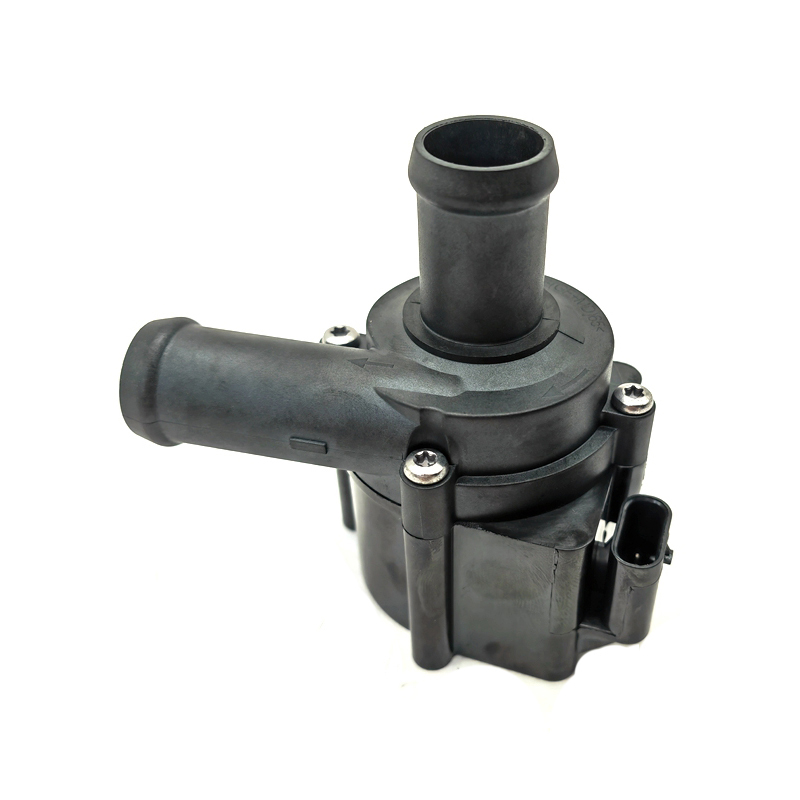

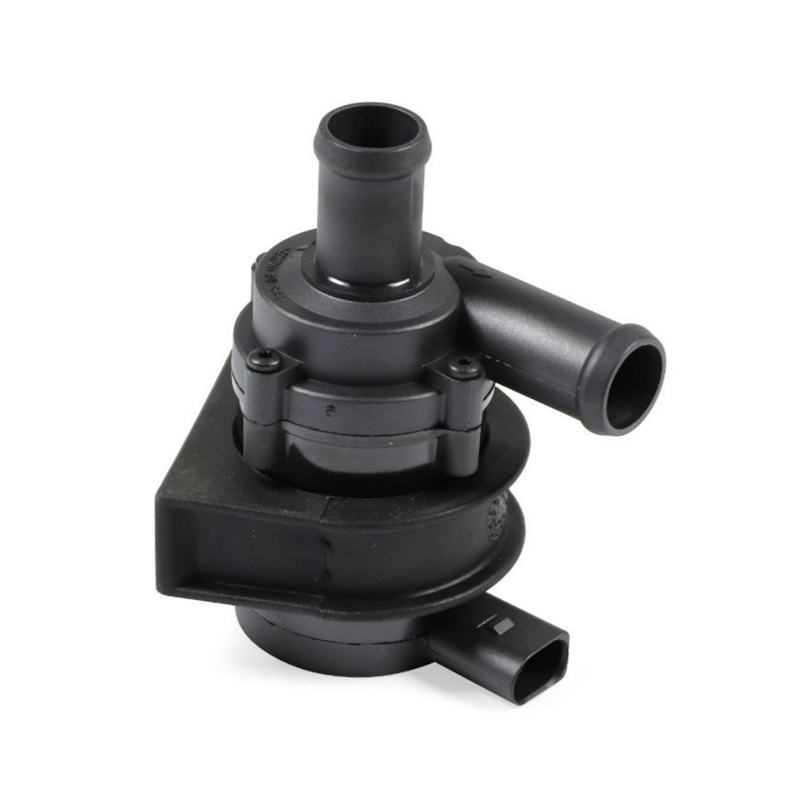 View More >>
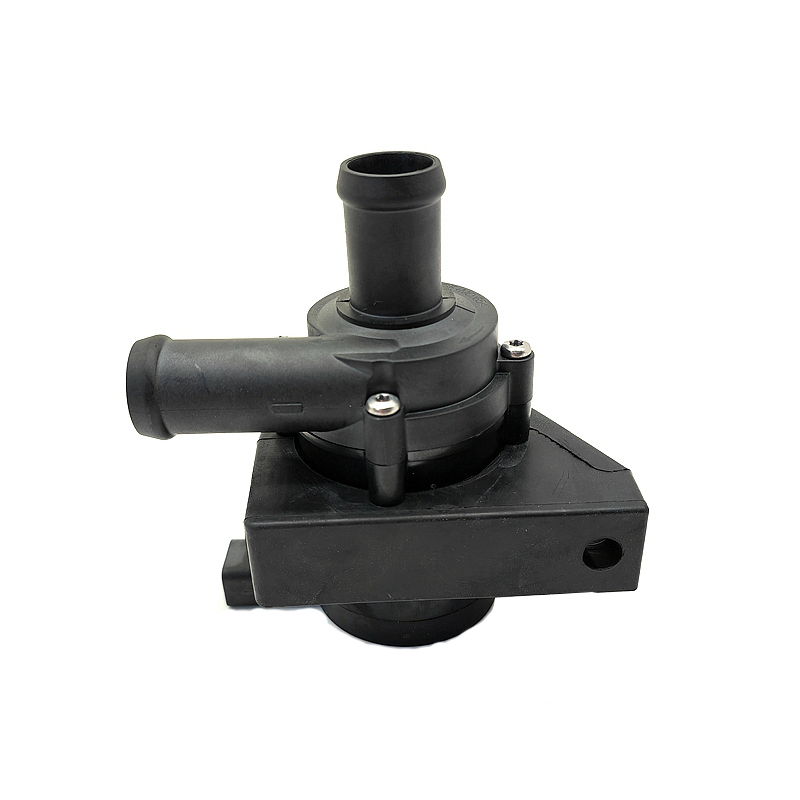 View More >>
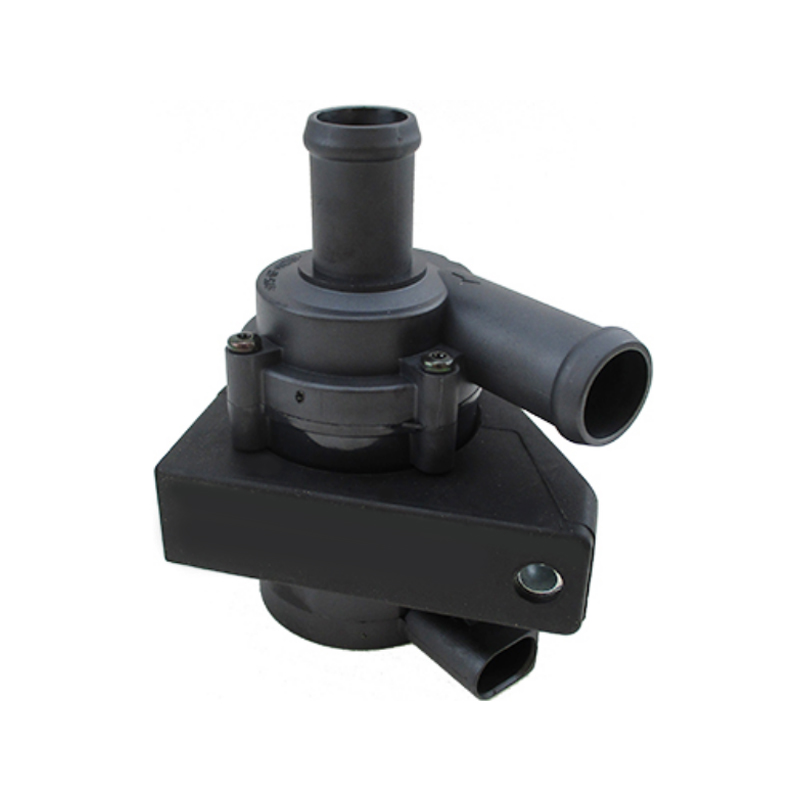 View More >>
 View More >>
 View More >>
 View More >>
 No. 58, Aimin Road, Tangxia Town, Ruian City, Wenzhou City, Zhejiang, China
 +86-577-66082028
 +86-18966257799
