


 English
 русский
 Español
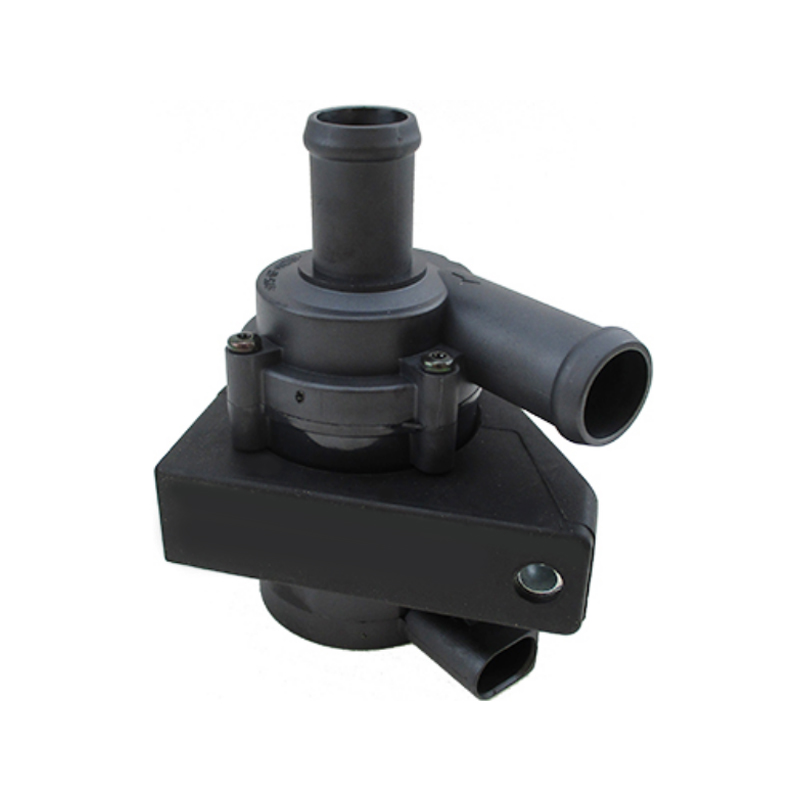
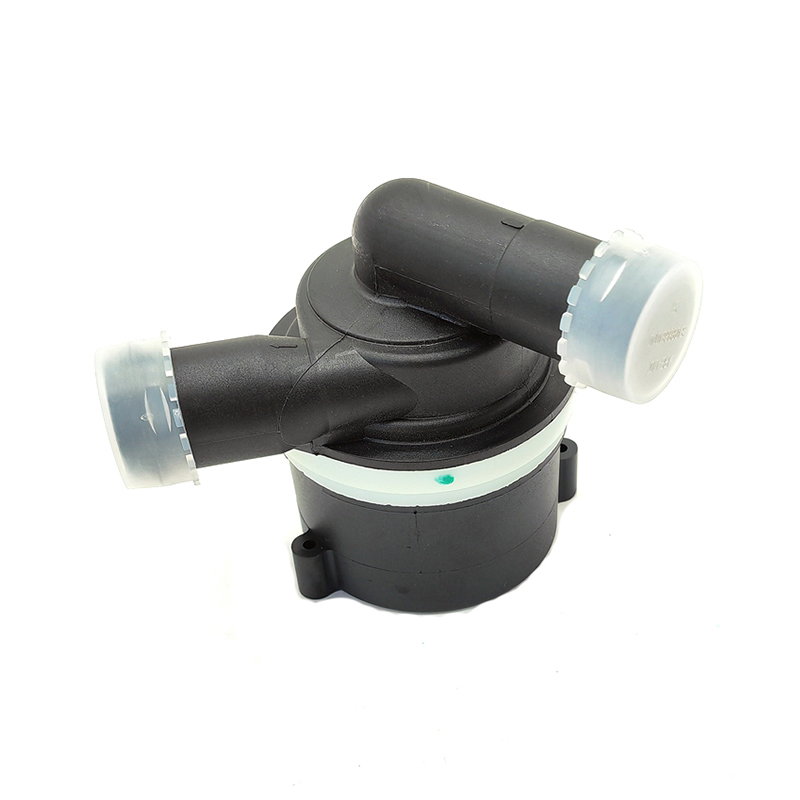
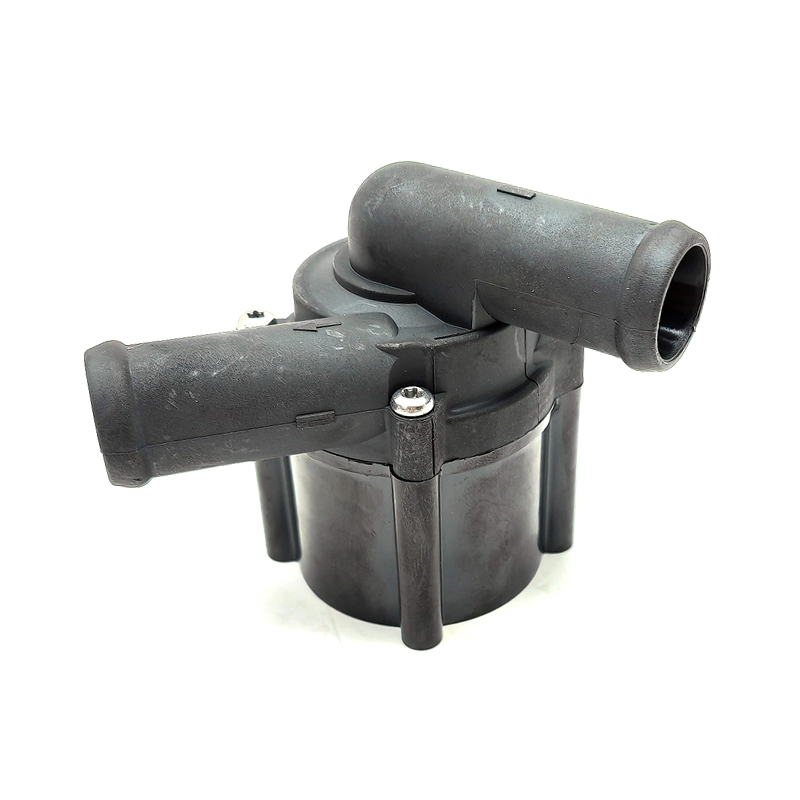
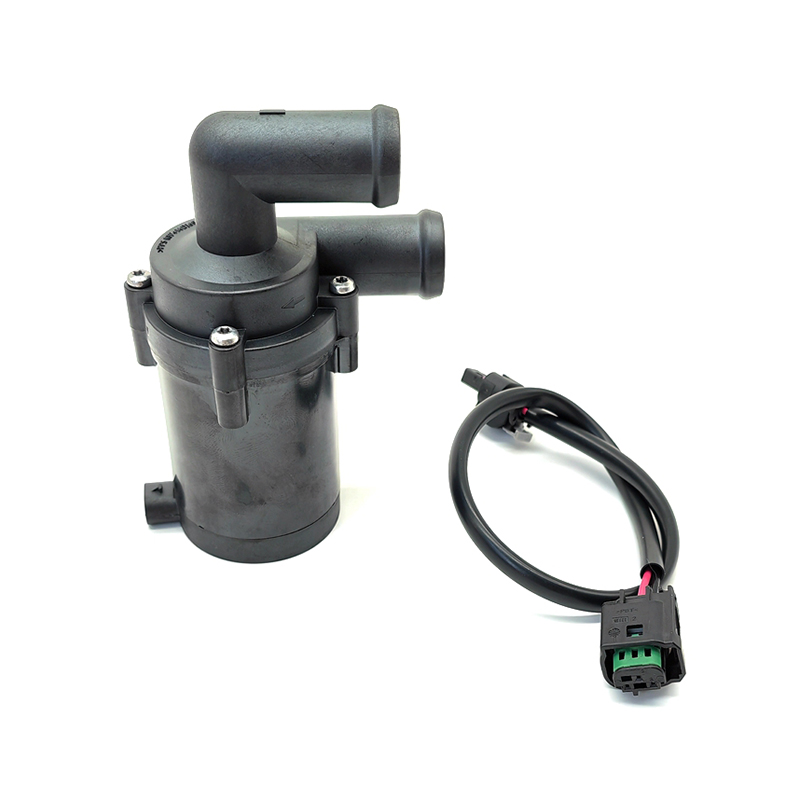
An automotive cooling system may depend on a relatively compact component to keep coolant moving through a specific circuit, especially when the main pump cannot provide the required circulation. This makes the manufacturing quality of an Auxiliary Water Pump important well beyond its external appearance. For automotive component manufacturers, reliability has to be built into the product through material selection, component matching, assembly control, sealing design, and functional inspection before the pump reaches an OEM customer's vehicle platform.
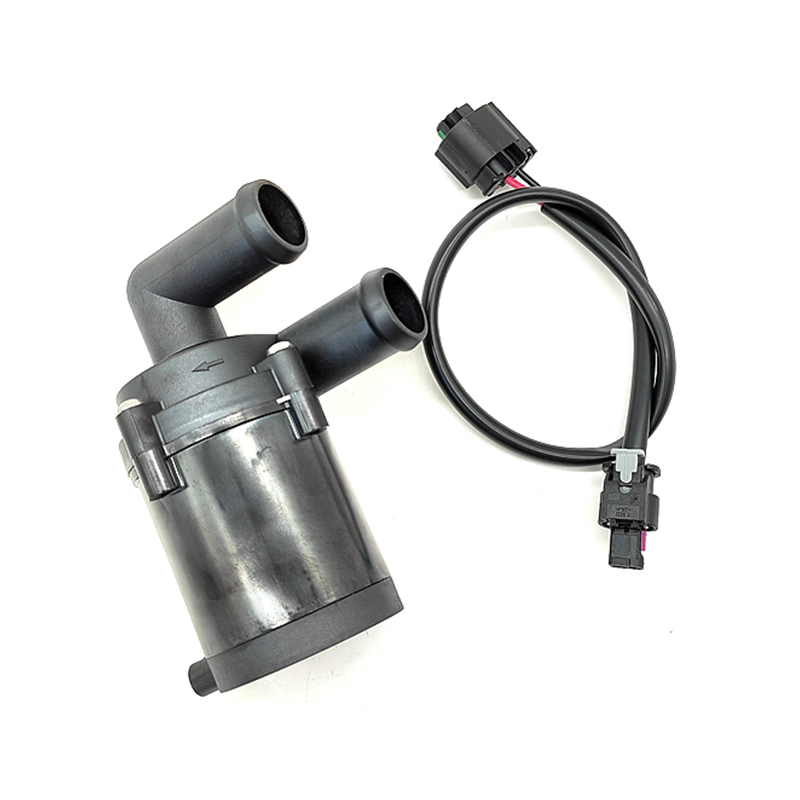
Reliability Begins With Component Matching
A coolant pump combines several components that need to operate as one system. The housing must provide a suitable flow path, the impeller needs to work with the motor's operating characteristics, and sealing elements must remain compatible with the coolant and operating environment.
During product development, we evaluate these relationships rather than selecting components independently. This helps create a pump structure in which hydraulic performance, motor operation, and mechanical construction support the intended automotive application.
Housing Design Affects More Than Packaging
The pump housing provides the structure around the hydraulic components and also determines how the unit connects with the vehicle cooling circuit. In an OEM project, mounting points, inlet and outlet positions, and overall dimensions may need to correspond closely with the surrounding system.
Our engineering process considers these interfaces during product development. A suitable housing design needs to support assembly accuracy and sealing while remaining practical for repeatable manufacturing. This is particularly important when a pump is developed for a specific vehicle platform or thermal-management module.
Sealing Quality Deserves Production-Level Attention
Coolant leakage can affect the performance of the complete thermal circuit, making sealing an important manufacturing consideration. The issue is not limited to the sealing material itself; component dimensions, assembly conditions, connection interfaces, and production consistency can all influence the final result.
As an automotive component manufacturer, we incorporate sealing inspection into the production and testing process according to product requirements. This allows potential assembly or interface problems to be identified before the finished Auxiliary Water Pump enters the customer's supply chain.
Motor and Impeller Must Remain Properly Matched
The electric motor provides the driving force, while the impeller converts that energy into coolant circulation. If their characteristics are poorly matched, the pump may not deliver the expected hydraulic behavior across its intended operating range.
We therefore treat motor and hydraulic development as connected engineering tasks. Impeller geometry, motor characteristics, housing flow passages, and operating conditions are considered together during product development. This approach helps us create application-specific pump configurations rather than relying on a one-size-fits-all design.
Manufacturing Consistency Matters in OEM Supply
Developing a working prototype is only part of an automotive component project. The greater manufacturing challenge is producing the same product repeatedly while maintaining the required dimensional and functional characteristics.
Our production process focuses on consistency across component preparation, assembly, inspection, and functional testing. Key production considerations can include:
- Dimensional consistency of critical interfaces
- Correct positioning of internal components
- Electrical connection and motor function
- Sealing and leakage inspection
- Hydraulic and functional performance
These controls help connect engineering design with the requirements of repeat production.
Testing Should Reflect the Intended Application
A pump can pass a basic functional check and still require more application-specific evaluation. Automotive coolant pumps may be required to operate repeatedly within thermal systems that experience changing temperatures, operating cycles, and coolant conditions.
For this reason, our testing approach is developed around the characteristics of the product and customer application. The objective is to verify that the manufactured pump performs according to its intended design, while also providing production feedback when adjustments are needed.
Supporting Modern Thermal Management
Auxiliary coolant pumps are now used across a wider range of automotive thermal-management applications. Current supplier portfolios include pumps for turbochargers, charge-air coolers, batteries, power electronics, electric motors, and auxiliary heating systems.
This expanding application range creates different engineering requirements for pump manufacturers. A unit designed for one auxiliary circuit may not be directly suitable for another because flow requirements, electrical architecture, installation conditions, and operating temperatures can differ.
Developing OEM Solutions Beyond a Standard Pump
For OEM and Tier supplier projects, customization often involves more than changing the external dimensions. Mounting structure, hydraulic connections, electrical interfaces, motor configuration, and other product characteristics may need to correspond with the customer's vehicle architecture.
As an automotive component manufacturer, we can develop Auxiliary Water Pump solutions around these application requirements while coordinating product engineering with manufacturing and inspection. Our focus is to create a component that can move from development into repeatable production with the consistency expected from an automotive supply partner. This manufacturing-centered approach makes the Auxiliary Water Pump not simply a coolant circulation component, but an engineered part of the vehicle's thermal-management system.
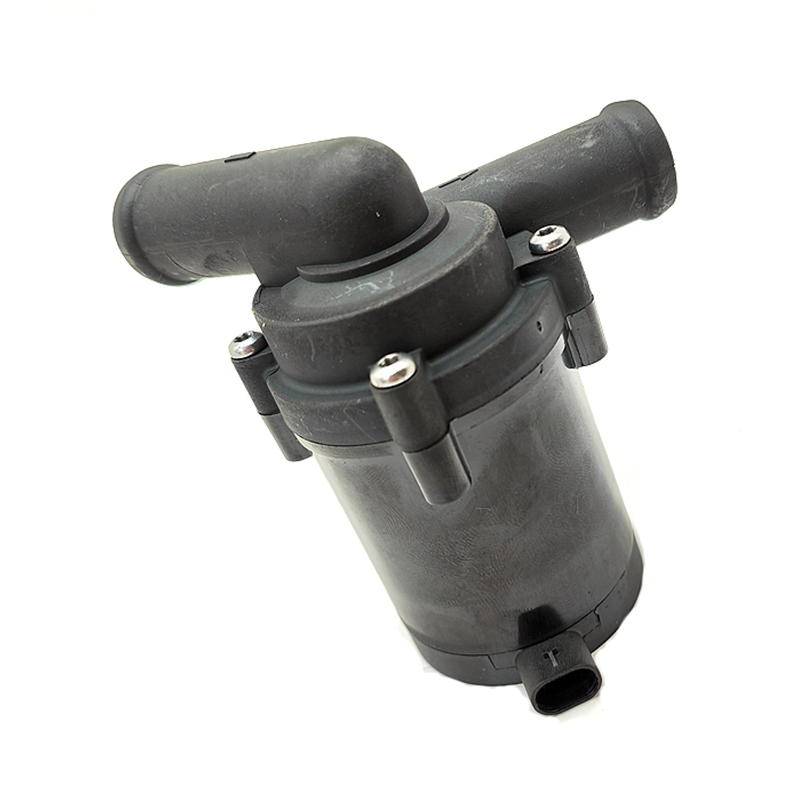
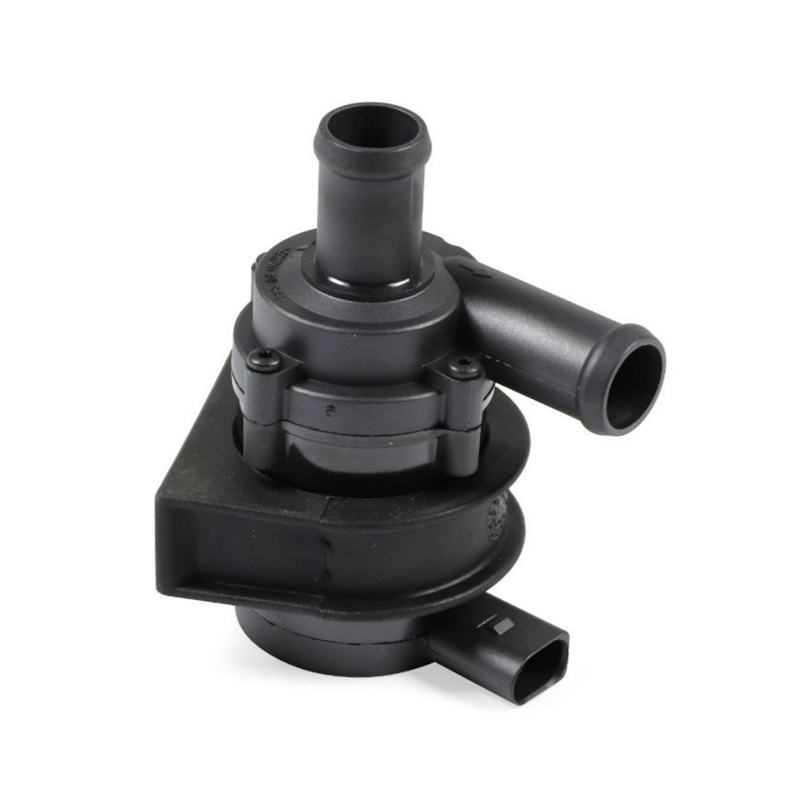 View More >>
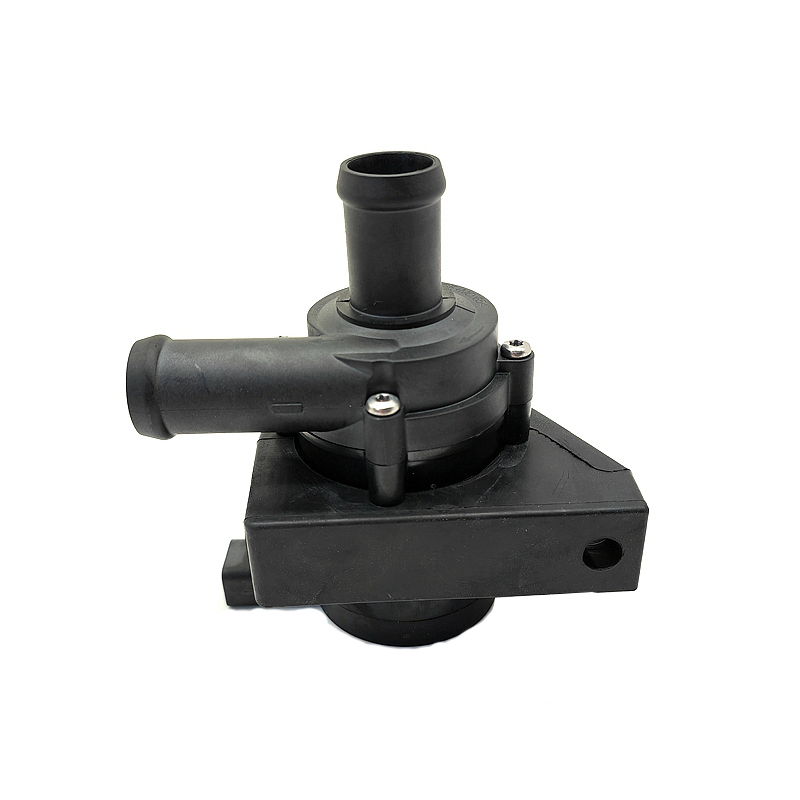 View More >>
 View More >>
 View More >>
 View More >>
 View More >>
 No. 58, Aimin Road, Tangxia Town, Ruian City, Wenzhou City, Zhejiang, China
 +86-577-66082028
 +86-18966257799
