


 English
 русский
 Español
Wenzhou Xinhao Auto Parts Co., Ltd.
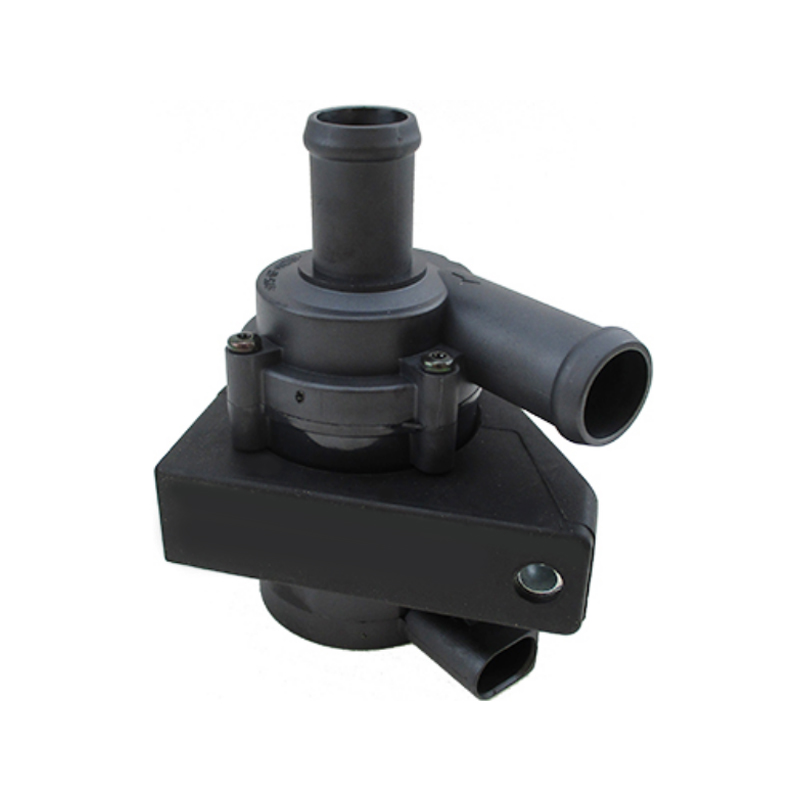
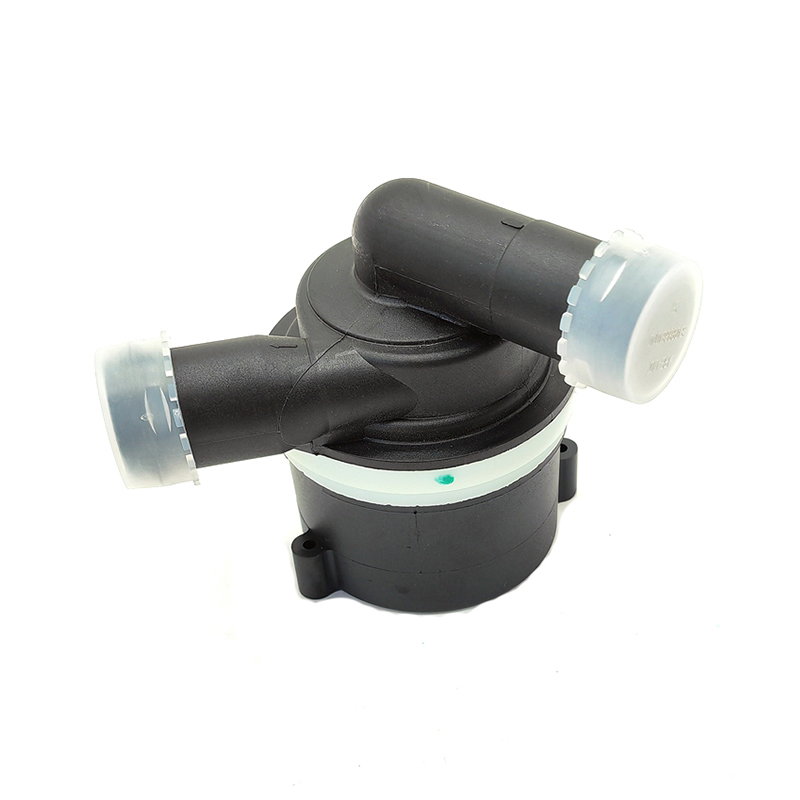
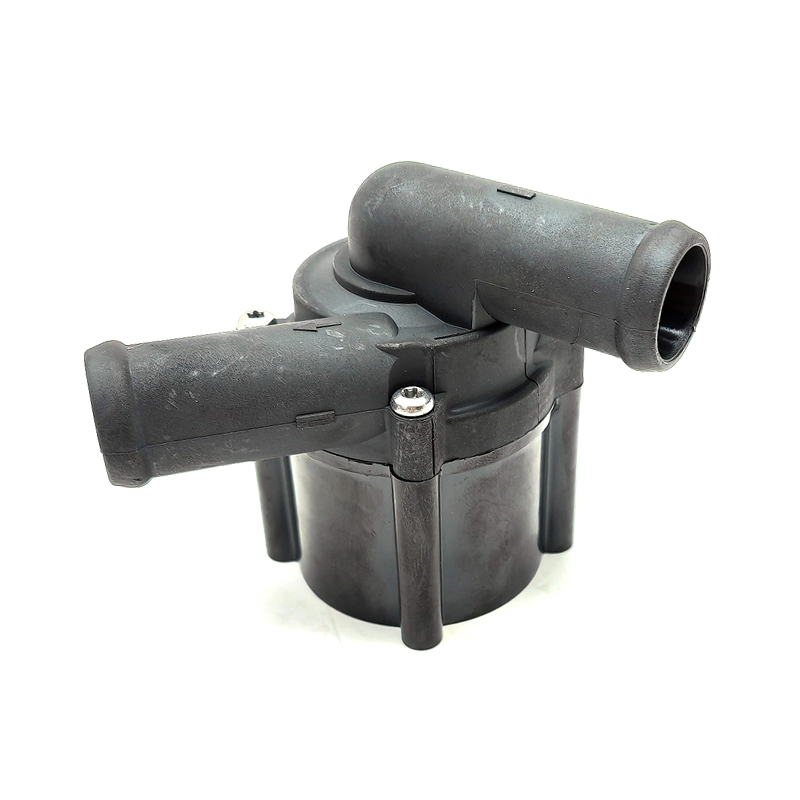
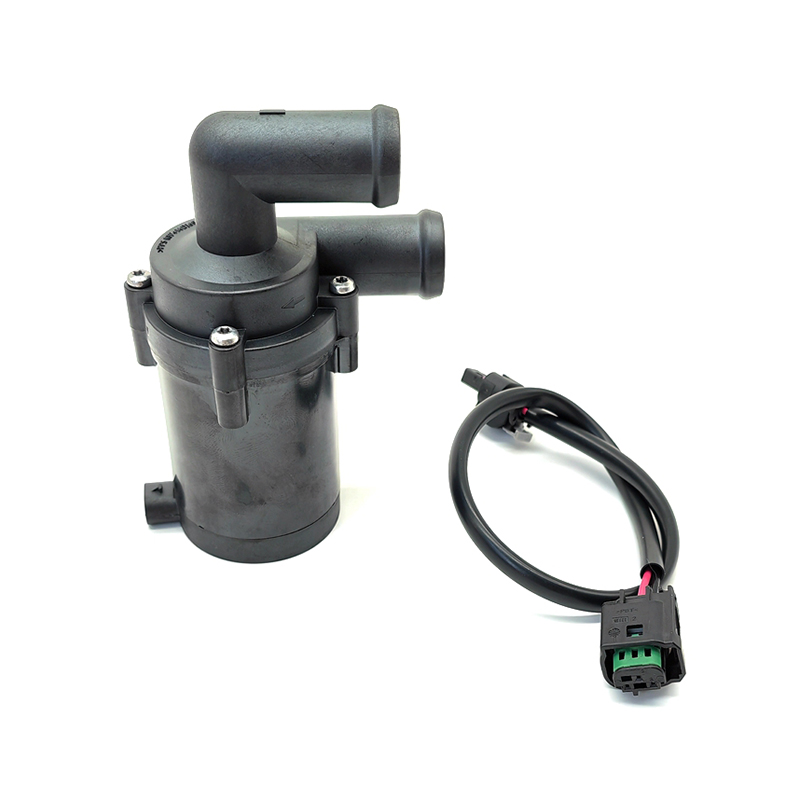
As vehicle thermal systems become more electrically controlled, acoustic performance is becoming a practical engineering consideration alongside coolant circulation, durability, and installation flexibility. An Auxiliary Water Pump may operate independently from the main engine-driven cooling system, which makes its motor, hydraulic structure, housing, and mounting method important to the overall vehicle experience. For OEMs and automotive component buyers, selecting the right pump therefore involves more than checking basic flow requirements.
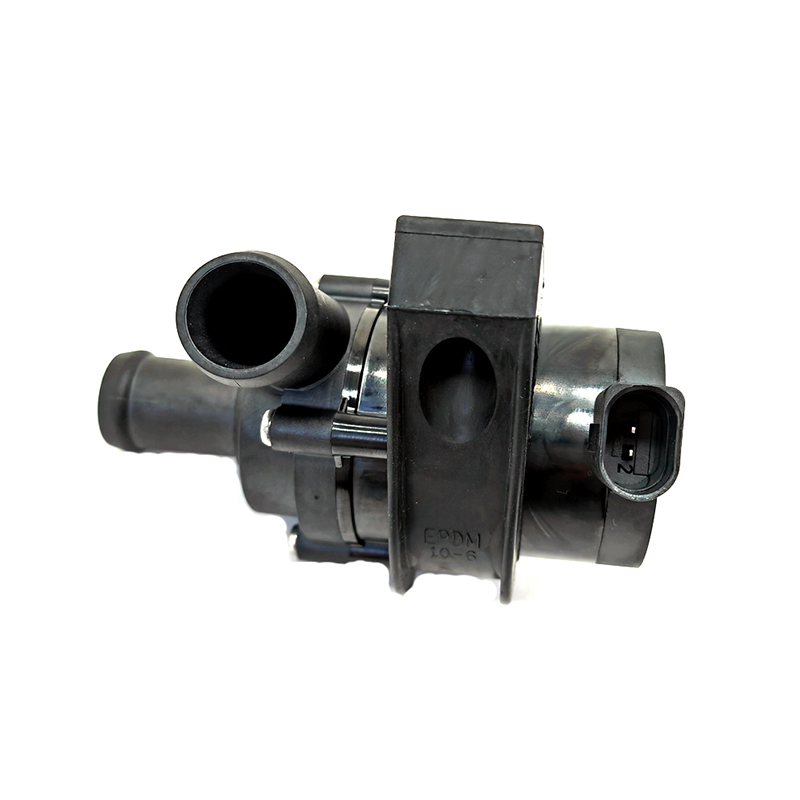
Noise Starts With the Motor and Impeller
The acoustic behavior of an electric coolant pump is closely related to how its motor and impeller work together. Unbalanced rotating components, unsuitable operating conditions, or inconsistent component dimensions can create unnecessary vibration during operation. For manufacturers, these factors need to be considered during product development rather than treated as a final-stage adjustment.
A properly matched motor and hydraulic assembly can help the pump operate more smoothly across its intended working range. This is particularly relevant for compact thermal management systems where several components may operate close to passengers or sensitive electronic equipment.
Hydraulic Performance Also Affects Acoustic Behavior
Noise is not only an electrical or mechanical issue. Coolant movement itself can influence the acoustic characteristics of an auxiliary pump. Flow restrictions, unsuitable hydraulic matching, or unstable operating conditions may increase vibration or unwanted operating noise.
When developing an automotive auxiliary water pump, manufacturers need to balance hydraulic requirements with acoustic performance. Instead of focusing only on maximum circulation capability, engineers should consider how the pump behaves under the actual operating conditions specified by the customer.
Housing Design Should Support Stable Operation
The pump housing provides more than a protective enclosure. Its internal structure affects coolant flow, component positioning, sealing, and vibration transmission. A suitable housing design should therefore coordinate with the motor, impeller, electrical connection, and installation environment.
For OEM projects, housing geometry may also need to adapt to available vehicle space and connection requirements. This is where manufacturing experience becomes important: a design that works in a prototype may still require process optimization before it can achieve stable mass-production consistency.
Mounting Can Influence Vibration Transfer
Even a well-balanced pump can create unwanted vibration if its mounting interface is not properly matched to the vehicle structure. Mounting position, connection method, surrounding components, and structural rigidity can all influence how vibration is transmitted.
For procurement teams, this means the Auxiliary Water Pump should be evaluated as part of the installation environment rather than as an isolated component. Manufacturers with OEM development experience can work with customers to consider mounting requirements during the product design stage.
Production Consistency Matters for NVH
Acoustic performance needs to remain consistent from one production batch to another. Small variations in rotating components, housing dimensions, assembly positioning, or sealing parts can affect the final operating behavior of an electric coolant pump.
Depending on project requirements, production evaluation can cover several areas:
- Hydraulic performance and coolant circulation
- Motor operating response
- Leakage and sealing condition
- Vibration and operating noise
- Component and assembly consistency
This approach helps connect product design with repeatable manufacturing performance.
Validation Should Reflect Real Applications
Laboratory evaluation provides useful information, but automotive components ultimately need to perform within their intended thermal and mechanical environment. Temperature changes, continuous or intermittent operation, vibration, electrical conditions, and installation constraints can all influence pump behavior.
For an automotive auxiliary water pump manufacturer, validation should therefore be developed around the customer's application requirements. This allows potential engineering issues to be identified earlier and reduces the risk of discovering integration problems only after vehicle-level testing.
Engineering Support Makes OEM Projects Easier
Different vehicle platforms can require different pump configurations, connection arrangements, hydraulic characteristics, and installation solutions. A capable supplier should be prepared to adjust the product according to the application rather than forcing every project into one standard configuration.
By combining product engineering, controlled manufacturing processes, assembly expertise, and application-focused validation, manufacturers can provide OEM buyers with a more practical path from initial design to production supply.
For automotive procurement teams looking for a reliable Auxiliary Water Pump, acoustic behavior should be considered together with hydraulic performance, durability, mounting, sealing, and production consistency. A manufacturer that understands these requirements can contribute not only a component, but also the engineering support needed to integrate the pump into modern vehicle thermal management systems.
 View More >>
 View More >>
 View More >>
 View More >>
 View More >>
 View More >>
 No. 58, Aimin Road, Tangxia Town, Ruian City, Wenzhou City, Zhejiang, China
 +86-577-66082028
 +86-18966257799
