


 English
 русский
 Español
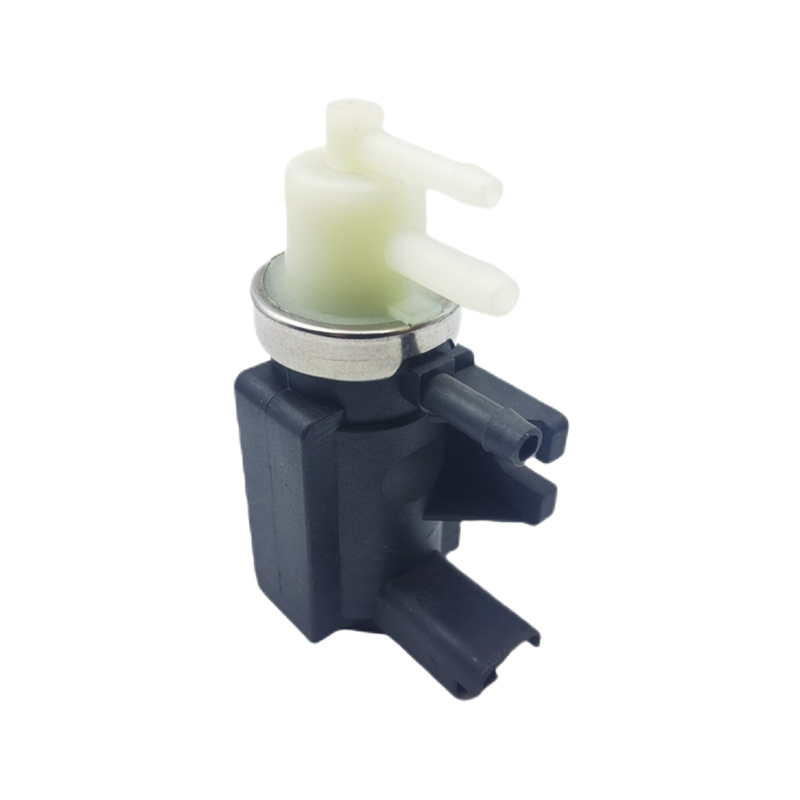
As vehicle systems become more electronically controlled, small fluid-control components can have a larger role in how mechanical functions respond to electrical commands. Transmission control, braking systems, thermal management, engine systems, and other automotive applications may all require controlled fluid flow. For engineers and procurement teams, choosing an Automobile Solenoid Valve therefore involves more than checking dimensions and voltage. The practical questions are whether the valve matches the application, responds consistently, withstands its operating environment, and can be integrated into the vehicle system without creating unnecessary validation work.
Start With the Actual Fluid-Control Requirement
The first step is to define what the valve needs to control. A solenoid used for transmission hydraulic control may face different requirements from one used in engine management or thermal circuits. Pressure, flow direction, response requirements, fluid compatibility, installation position, and available electrical control should all be considered before comparing suppliers.
Recent automotive engineering work also shows solenoid valves being incorporated into electronically controlled braking architectures, where the valve works together with other actuators to manage hydraulic pressure. This illustrates why the application should be defined before the component is selected.
Response and Flow Characteristics Need to Work Together
A valve that switches electrically is only useful when its mechanical and fluid characteristics match the system. Engineers may need to evaluate opening and closing behavior, flow capacity, pressure conditions, and the relationship between the electrical command and actual fluid response.
For procurement teams, useful technical questions include:
- What pressure range is required in the application?
- What type of fluid will pass through the valve?
- How quickly must the valve respond?
- Is the valve normally open, normally closed, or application-specific?
- How will the valve connect with the vehicle control system?
Answering these questions early can reduce unsuitable samples and unnecessary design changes.
Material Selection Affects Long-Term Reliability
Automotive components operate in environments where temperature changes, vibration, fluid exposure, and limited installation space can place additional demands on materials and construction. The material combination of the valve body, sealing elements, electromagnetic components, and internal moving parts should therefore correspond with the intended application.
Instead of asking simply whether a valve is “durable,” engineers should request information about the materials used, compatible fluids, operating temperature conditions, sealing design, and applicable validation procedures. This gives buyers measurable factors to compare between manufacturers.
Sealing Performance Deserves Close Attention
For fluid-control components, leakage can create problems beyond the valve itself. A small sealing issue may affect pressure stability, system response, maintenance requirements, or the reliability of the surrounding circuit.
This is particularly relevant as automotive manufacturers continue to develop electronically controlled hydraulic systems. Research into electronically controlled braking, for example, highlights the need to coordinate actuator behavior and hydraulic pressure accurately. A suitable solenoid valve should therefore be evaluated as part of the complete fluid circuit rather than as an isolated component.
Think About Electrification Without Ignoring Existing Platforms
Vehicle electrification is changing the distribution of component demand, but the transition is not occurring at the same pace across every market or vehicle platform. The 2026 Global Automotive Supplier Study from BCG notes that suppliers are balancing continued ICE and hybrid programs with growing investment in BEV-related components.
For valve buyers, this creates a practical need for application flexibility. Depending on the project, suppliers may need to support components for conventional powertrains as well as electronically controlled thermal, braking, or other fluid-management systems.
Supplier Engineering Support Can Shorten Development Work
For OEM and Tier supplier projects, component selection rarely ends with receiving a sample. Engineers may need drawings, interface information, material details, testing documentation, samples, and communication during validation.
At Wenzhou Xinhao Auto Parts Co., Ltd., we understand that an automotive solenoid valve needs to be considered together with the application in which it will operate. Discussing the required operating conditions and installation requirements before production allows the component configuration to be reviewed from an engineering perspective.
Build the Specification Around the Vehicle System
Selecting an Automobile Solenoid Valve is ultimately a system-matching task. Electrical requirements, pressure and flow behavior, sealing, materials, environmental conditions, installation constraints, and validation needs should be considered together. As automotive platforms continue to combine mechanical systems with electronic control, working with a manufacturer such as Wenzhou Xinhao Auto Parts Co., Ltd. can help buyers evaluate the component according to its actual application instead of relying on a general-purpose specification.
 View More >>
 View More >>
 View More >>
 View More >>
 View More >>
 View More >>
 No. 58, Aimin Road, Tangxia Town, Ruian City, Wenzhou City, Zhejiang, China
 +86-577-66082028
 +86-18966257799
